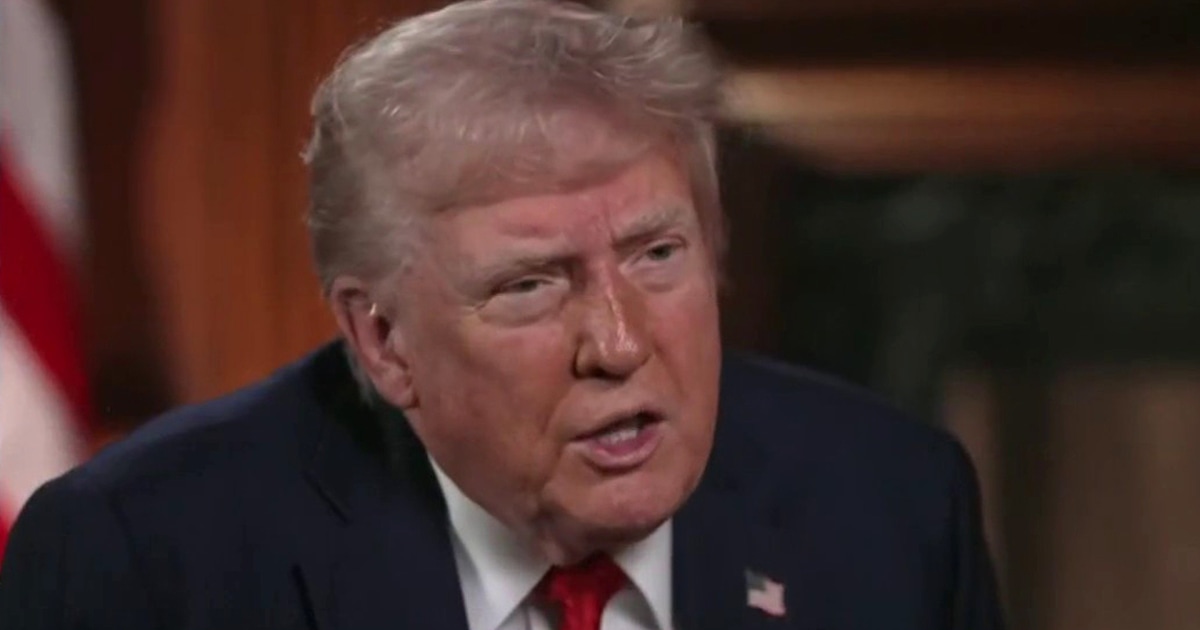
Trump Acknowledges Short-Term Recession: Economic Implications
Former President Donald Trump recently suggested that a temporary economic recession might be “manageable,” sparking debate among economists, policymakers, and business leaders. The remarks, made during a private event last week, come amid growing concerns about inflation, interest rates, and slowing GDP growth. Analysts are now weighing the potential consequences for consumers, investors, and the broader U.S. economy.
Understanding Trump’s Remarks on a Manageable Recession
Trump’s comments reflect a pragmatic, albeit controversial, perspective on economic cycles. “Every economy goes through ups and downs,” he reportedly stated. “If we face a short-term downturn, it could set the stage for stronger long-term growth.” While he did not predict an imminent recession, his acknowledgment contrasts with the Biden administration’s emphasis on steady economic expansion.
Economists remain divided on the likelihood of a near-term recession. The Federal Reserve’s aggressive interest rate hikes—aimed at curbing inflation—have raised borrowing costs, dampening consumer spending and business investments. Recent data from the Commerce Department shows GDP growth slowed to 1.6% in Q1 2024, down from 3.4% in Q4 2023.
“A mild recession isn’t necessarily catastrophic,” says Dr. Laura Chen, a senior economist at the Brookings Institution. “Historically, short contractions have allowed markets to recalibrate, but the key is mitigating job losses and protecting vulnerable households.”
Potential Impact on Businesses and Consumers
If a recession materializes, businesses could face tighter credit conditions and reduced consumer demand. Small enterprises, in particular, may struggle to secure loans or maintain cash flow. Meanwhile, consumers grappling with high inflation and stagnant wages could cut discretionary spending, further straining retail and service sectors.
- Job Market: Unemployment claims have risen slightly, though the labor market remains robust with 3.9% unemployment.
- Stock Market: Volatility has increased, with the S&P 500 fluctuating amid uncertainty.
- Housing: Mortgage rates near 7% have cooled homebuying activity, impacting construction and real estate.
However, some industries, like discount retail and healthcare, often prove resilient during downturns. “Recessions accelerate innovation,” notes Mark Reynolds, CEO of a midwestern manufacturing firm. “Companies that adapt quickly can emerge stronger.”
Political Reactions and Policy Considerations
Trump’s remarks have drawn sharp responses from political opponents. White House Press Secretary Karine Jean-Pierre countered, “The Biden administration is focused on sustainable growth, not normalizing recessions.” Meanwhile, some GOP lawmakers argue that short-term pain could justify long-term fiscal discipline.
Policy tools to combat a recession include:
- Federal Reserve rate cuts to stimulate borrowing
- Targeted stimulus packages for affected industries
- Tax incentives to spur business investments
“The real question is preparedness,” argues financial analyst Derek Holt. “Do we have safeguards in place to prevent a shallow downturn from becoming a prolonged crisis?”
Historical Context and Future Outlook
Since 1945, the U.S. has experienced 12 recessions, averaging 10 months in duration. Most were followed by rapid recoveries, though the 2008 financial crisis proved more damaging. Today, with national debt exceeding $34 trillion, policymakers have less fiscal flexibility.
Looking ahead, economists urge vigilance. Key indicators to watch include:
- Consumer confidence indexes
- Corporate earnings reports
- Global supply chain stability
While Trump’s comments underscore economic uncertainties, they also reframe the conversation around resilience. For now, businesses and households are advised to review budgets, diversify income streams, and stay informed.
What’s Next for the Economy?
The coming months will test whether the U.S. can avoid a recession or navigate one with minimal disruption. Investors should monitor Fed announcements, while consumers might prioritize emergency savings. For deeper insights, subscribe to our economic newsletter for real-time analysis and expert commentary.
As debates continue, one truth remains: economic stability hinges on both prudent policy and public confidence. Whether a downturn is “manageable” may depend on who you ask—and how well the nation prepares.
See more CCTV News Daily