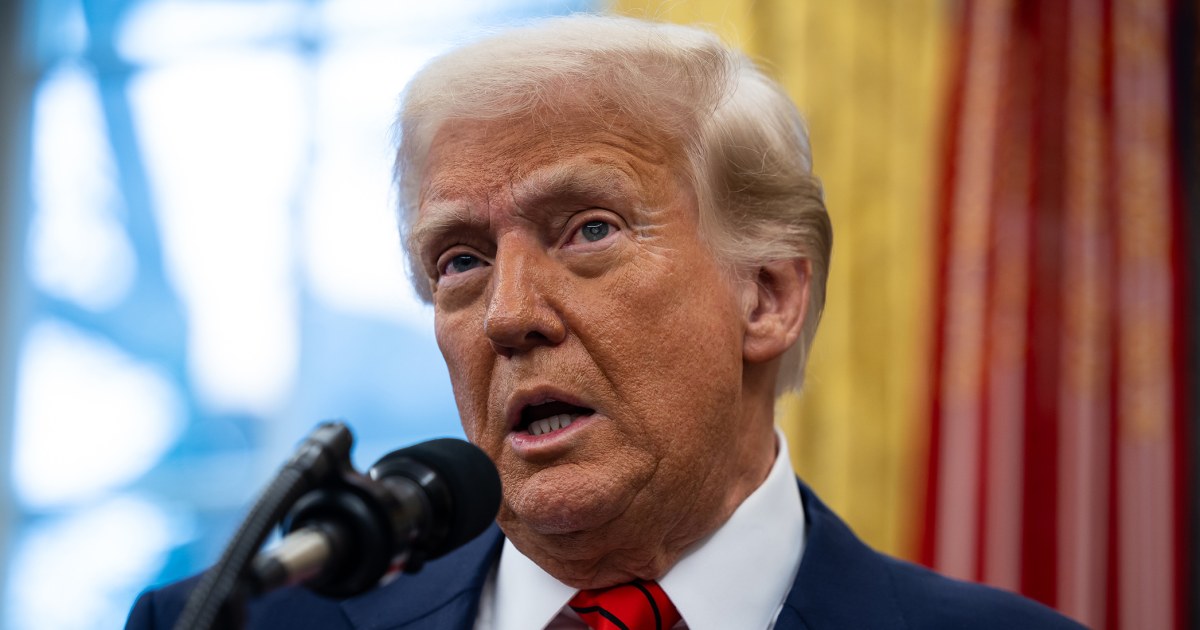
Trump’s Potential Tariff Announcement: Understanding Its Impact on Global Trade
As President Trump gears up to unveil a significant update on tariffs affecting major trading partners, the implications for global trade are taking center stage. Experts from various sectors are closely monitoring this development, which has the potential to reshape trade dynamics and influence economic conditions worldwide. Businesses and markets are bracing for impact as trade tensions escalate, prompting discussions about what this could mean for industries and consumers alike.
What Are Tariffs and Why Do They Matter?
Tariffs are taxes imposed by a government on imported goods. Their primary purpose is to protect domestic industries from foreign competition by making imported goods more expensive. While tariffs can provide short-term benefits to local manufacturers, they often lead to increased prices for consumers and can provoke retaliation from trading partners.
In the context of Trump’s potential tariff announcement, understanding the broader implications of such measures is crucial. Here are some key areas where tariffs can have significant effects:
- Consumer Prices: Tariffs can result in higher prices for imported goods, leading to increased costs for consumers.
- Domestic Production: Tariffs may encourage domestic production by making imported goods less competitive, potentially leading to job creation in certain sectors.
- Global Relations: Tariff increases can strain relationships between countries, leading to trade wars that disrupt established supply chains.
The Current Landscape of Global Trade
The global trade landscape has been evolving rapidly, especially in the wake of the COVID-19 pandemic. Supply chain disruptions, rising inflation, and geopolitical tensions have all played a role in shaping trade relationships. With Trump’s potential tariff announcement, many are questioning how these factors will interplay in the coming months.
Analysts suggest that a new wave of tariffs could exacerbate existing challenges, particularly for businesses that rely on international supply chains. For instance, manufacturers who import raw materials may face increased costs, which could be passed down to consumers. This chain reaction could hinder economic recovery efforts and dampen consumer spending.
Potential Impacts of Trump’s Tariff Announcement
While the specifics of Trump’s upcoming announcement remain unclear, several potential impacts on global trade can be anticipated:
1. Increased Costs for Consumers
One immediate consequence of new tariffs could be the rise in prices for everyday goods. Consumers may find themselves paying more for imported products, ranging from electronics to clothing. For example, if tariffs are placed on electronics from China, American consumers may see increased prices for smartphones and laptops, impacting purchasing decisions.
2. Trade Retaliation
History has shown that when one country raises tariffs, others often retaliate. This creates a tit-for-tat scenario that can escalate into a trade war. Countries affected by the tariffs may impose their own taxes on American goods, leading to decreased exports and a potential downturn for U.S. manufacturers that rely on international markets.
3. Shifts in Supply Chains
Businesses may need to reevaluate their supply chains in response to new tariffs. Companies that previously relied on imports from affected countries might seek alternative sources to mitigate costs. This could lead to a restructuring of global supply chains, with some companies moving operations to countries with more favorable trade terms.
Expert Opinions on the Potential Tariff Announcement
As the announcement approaches, experts from various fields are weighing in on its potential implications:
- Economists: Many economists warn that new tariffs could hinder economic growth. They argue that increased costs for consumers and businesses could lead to lower spending, ultimately slowing down recovery efforts.
- Business Leaders: Leaders in the manufacturing sector have expressed concerns about the impact of tariffs on global competitiveness. They emphasize the need for stable trade policies to ensure long-term growth and investment.
- Trade Analysts: Analysts highlight the risk of escalating trade tensions. They note that a tit-for-tat approach could lead to a cycle of retaliation that ultimately harms all involved parties.
Strategies for Businesses in Response to Tariff Changes
In light of potential tariff changes, businesses need to adopt proactive strategies to navigate the evolving trade environment. Here are several recommendations:
- Diversify Supply Chains: Companies should consider diversifying their supply chains to reduce dependence on specific countries. This could involve sourcing materials from multiple regions to mitigate the impact of tariffs.
- Invest in Domestic Production: Businesses may explore opportunities to increase domestic production, which could help insulate them from international trade fluctuations.
- Monitor Market Trends: Staying informed about market trends and potential policy changes can help businesses adapt quickly to new realities in global trade.
Conclusion: A Cautious Outlook for Global Trade
As President Trump prepares to announce significant updates on tariffs, the global trade landscape hangs in the balance. The potential implications of these changes are vast and multifaceted, affecting consumers, businesses, and international relations. While some may view tariffs as a means to protect domestic industries, the broader consequences often extend beyond their intended goals.
In the coming weeks and months, all eyes will be on the administration’s actions and the responses from trading partners. Businesses will need to remain agile and responsive, adapting to shifting conditions in a world where trade tensions are increasingly the norm. Ultimately, fostering open dialogue and cooperation among nations will be crucial to ensuring a stable and prosperous global trading environment.
See more CCTV News Daily