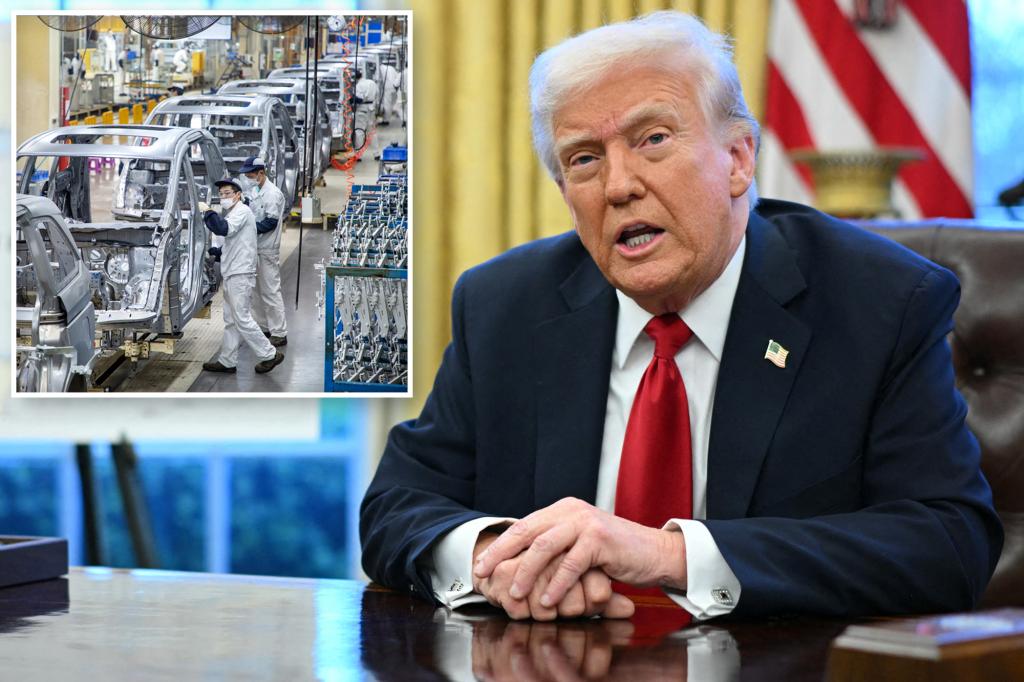
The Impact of Trump’s Bold 25% Tariff on Foreign Cars
In a significant shift within the automotive sector, President Trump has announced a bold 25% tariff on all foreign-made cars, a decision that promises to reshape the landscape of the auto industry in the United States. This policy has ignited discussions among consumers, industry analysts, and manufacturers alike about its potential repercussions on prices, availability, and the domestic market’s competitive edge.
Understanding the Tariff: What It Entails
The introduction of a 25% tariff on foreign cars is not just a mere increase in import duties; it represents a strategic move aimed at bolstering American manufacturing while aiming to protect domestic jobs. The policy’s primary goal is to level the playing field for U.S. automakers, who have long argued that foreign competitors benefit from lower labor costs and fewer regulations.
With this tariff in place, foreign automakers will face increased costs when importing vehicles into the U.S. market. These costs will likely be passed on to consumers in the form of higher prices, which could affect purchasing decisions and shift consumer behavior.
Impact on Consumers: What to Expect
So, what does this mean for consumers? The impact of Trump’s bold 25% tariff on foreign cars will be multifaceted:
- Higher Vehicle Prices: As manufacturers adjust to the new tariff, the price of foreign cars is expected to rise significantly. This could lead to a reduction in options available to consumers, particularly in the mid-range and luxury segments where imported cars are popular.
- Shift in Consumer Preferences: Facing higher prices for foreign vehicles, many consumers may turn to domestic brands. This shift could bolster sales for American car manufacturers, but it may also limit choices for consumers who prefer foreign models.
- Potential for Decreased Quality: With reduced competition from foreign automakers, there is a concern that domestic manufacturers may have less incentive to innovate or improve their offerings.
Impact on the Auto Industry: Opportunities and Challenges
The auto industry stands at a crossroads due to this tariff. While there are potential benefits for domestic manufacturers, challenges abound:
- Boost for Domestic Production: The tariff could encourage foreign automakers to increase their production facilities in the U.S., leading to job creation and investment in local economies.
- Challenges for Supply Chains: Many auto manufacturers rely on a global supply chain for parts and materials. The new tariff could disrupt these established networks, leading to increased costs and production delays.
- International Trade Relations: This move could provoke retaliatory measures from other countries, potentially leading to a trade war that could hurt not only the automotive sector but also other industries reliant on global trade.
The Broader Economic Context
To fully grasp the implications of the tariff on foreign cars, we must consider the broader economic context. The U.S. automotive industry is a significant contributor to the national economy, providing millions of jobs and generating substantial tax revenue. However, it is also intertwined with global markets. The introduction of a 25% tariff could have cascading effects:
- Inflationary Pressures: Higher car prices can contribute to overall inflation, affecting consumer spending and economic growth.
- Impact on Used Car Market: As new car prices rise, consumers may turn to the used car market, driving up prices there as well.
- Long-Term Market Dynamics: In the long run, the tariff could lead to significant shifts in market dynamics, potentially disadvantaging consumers through reduced choices and higher prices.
Opportunities for Innovation and Growth
Despite the challenges, there are also opportunities that may arise from Trump’s bold tariff implementation:
- Innovation in Domestic Manufacturing: U.S. automakers may be incentivized to invest in new technologies and production methods to enhance efficiency and quality in response to increased competition.
- Focus on Electric Vehicles: With the global shift towards electric vehicles (EVs), domestic manufacturers could harness this tariff environment to lead in EV innovation and production, potentially capturing a larger market share.
- Strengthening Local Economies: Increased production in the U.S. can lead to job creation in manufacturing, supply chain management, and related sectors.
What Consumers Can Do
As the automotive market adjusts to these changes, consumers can take proactive steps to navigate the shifting landscape:
- Research Alternatives: Consumers should explore various brands and models, including domestic options that may offer better value in light of the tariff.
- Consider Timing of Purchases: Those looking to buy should be strategic about timing, as prices may fluctuate based on market reactions to the tariff.
- Stay Informed: Keeping abreast of developments in the automotive industry and understanding how they affect pricing will empower consumers to make informed decisions.
Conclusion: A New Era for the Auto Industry
In conclusion, Trump’s bold 25% tariff on foreign cars marks a pivotal moment for the automotive industry and consumers alike. While it aims to bolster domestic manufacturing and create jobs, it also poses significant challenges that could reshape consumer choices and market dynamics. As the industry adjusts, both opportunities and hurdles will emerge, paving the way for a new era in the automotive landscape. Consumers and manufacturers must navigate this evolving environment with a keen eye on the implications of these changes, ensuring that they remain informed and adaptable in a rapidly changing market.
See more CCTV News Daily