Unpacking Trump’s Tariff Announcement: What It Means for American Consumers
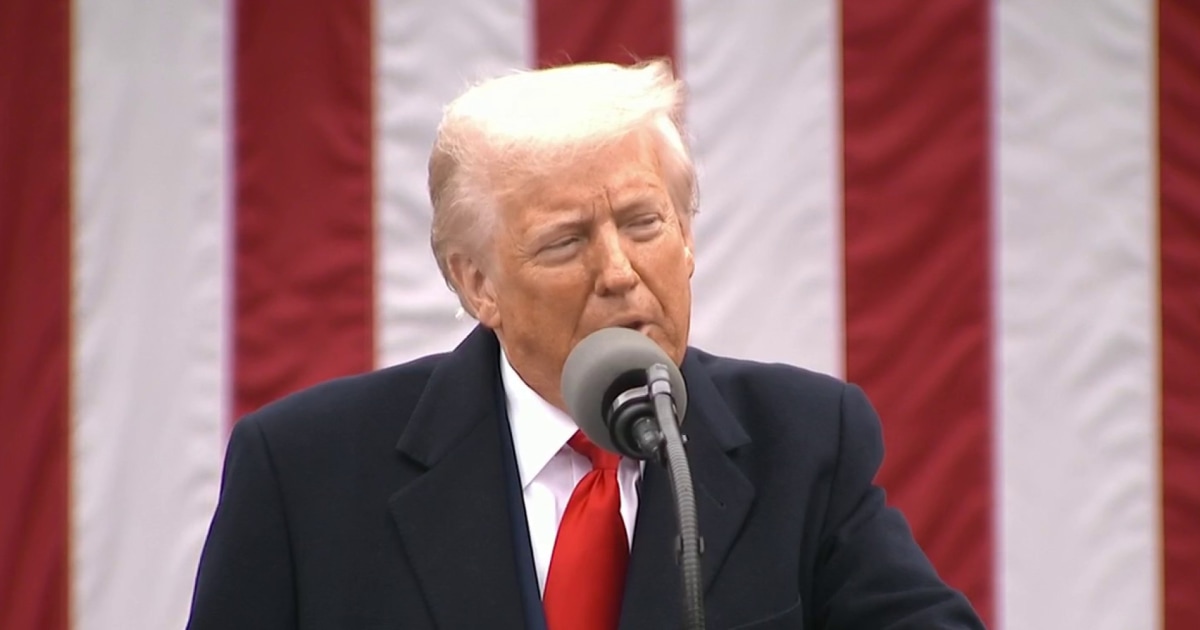
Former President Donald Trump’s recent proposal to impose sweeping tariffs on imported goods has reignited debates about trade policy and its economic consequences. Announced during a campaign rally in Ohio last week, the plan calls for a 10% across-the-board tariff on all foreign imports, with higher rates targeting specific industries like automotive and electronics. Economists warn these measures could drive up consumer prices, while supporters argue they’ll protect domestic jobs. The proposal comes as inflation remains a top concern for voters ahead of the 2024 election.
The Scope of the Proposed Tariffs
Trump’s tariff plan represents one of the most aggressive trade policy shifts since his presidency, when he imposed $380 billion in tariffs on Chinese goods. The new proposal would:
- Apply a universal 10% levy on all imported goods
- Implement higher “strategic” tariffs up to 60% on select Chinese products
- Revive controversial “national security” tariffs on steel and aluminum
- Introduce new penalties for companies that offshore manufacturing
According to data from the Peterson Institute for International Economics, similar tariffs during Trump’s presidency cost the average American household $1,277 annually through higher prices. “This is déjà vu with higher stakes,” says trade analyst Linda Dempsey. “While targeted tariffs can be effective, blanket measures function like a regressive tax that hits low-income families hardest.”
Potential Impact on Consumer Prices
The proposed tariffs could trigger immediate price increases across multiple sectors. A 2023 Brookings Institution study found that:
- Apparel prices could rise 5-8% within months
- Electronics may see 6-10% markup
- Automobile costs might spike 8-12% for imported models
“Tariffs don’t exist in a vacuum,” explains MIT economist David Autor. “When you tax imports, domestic producers often raise prices too because they face less competition. The result is across-the-board inflation that erodes purchasing power.” However, some industry groups disagree. “Strategic tariffs level the playing field for American workers,” argues National Manufacturers Association president Jay Timmons. “Short-term adjustments are worth long-term gains in domestic production.”
Supply Chain and Product Availability Concerns
Beyond pricing, experts warn about potential disruptions to product availability. During the 2018-2019 trade wars:
- Some electronics retailers reported 20-30% inventory shortages
- Auto dealers faced months-long delays for popular models
- Construction material costs fluctuated wildly
“Modern supply chains are finely tuned instruments,” notes logistics expert Maria Fernandez. “When you suddenly change trade rules, it creates bottlenecks that can take years to resolve. Consumers may find certain products harder to get or more expensive alternatives.”
The Political and Economic Debate
The tariff proposal has drawn mixed reactions along partisan lines. Proponents highlight potential benefits:
- Revitalization of domestic manufacturing sectors
- Reduced reliance on foreign suppliers
- Increased government revenue from tariff collections
Critics counter with several concerns:
- Retaliatory tariffs from trading partners
- Job losses in import-dependent industries
- Potential GDP contraction
A recent Moody’s Analytics projection suggests the tariffs could either slightly boost or moderately hinder economic growth, depending on implementation details and global responses. “Trade policy is always a balancing act,” observes former U.S. Trade Representative Carla Hills. “The key question is whether the benefits to specific industries outweigh the broader costs to consumers and the economy.”
Historical Precedents and Lessons Learned
Historical data from previous tariff implementations offers valuable insights. The Smoot-Hawley tariffs of 1930:
- Reduced U.S. imports by 66% within four years
- Correlated with a 61% drop in exports
- Worsened the Great Depression’s effects
More recently, the 2018 steel tariffs initially boosted domestic production by 12%, but subsequent analysis showed:
- Downstream industries lost 75,000 jobs
- Steel-using manufacturers faced 15% higher costs
- Overall economic growth slowed by 0.2% annually
“History shows tariffs often produce unintended consequences,” warns economic historian Douglas Irwin. “Policymakers need to carefully weigh sector-specific impacts rather than pursuing one-size-fits-all solutions.”
Looking Ahead: What Consumers Should Watch For
As the political debate continues, consumers can take several proactive steps:
- Monitor price trends in frequently purchased imported goods
- Research domestic alternatives for potential substitutions
- Stay informed about potential retaliatory measures affecting U.S. exports
The coming months will reveal whether these proposals gain legislative traction or remain campaign rhetoric. Regardless, the discussion highlights ongoing tensions between economic protectionism and globalized trade. For voters concerned about household budgets, understanding these dynamics will be crucial in evaluating policy proposals.
To stay updated on how trade policies affect your community, consider subscribing to nonpartisan economic newsletters or attending local chamber of commerce events. Informed citizens make the best decisions about policies that shape our economic future.
See more CCTV News Daily