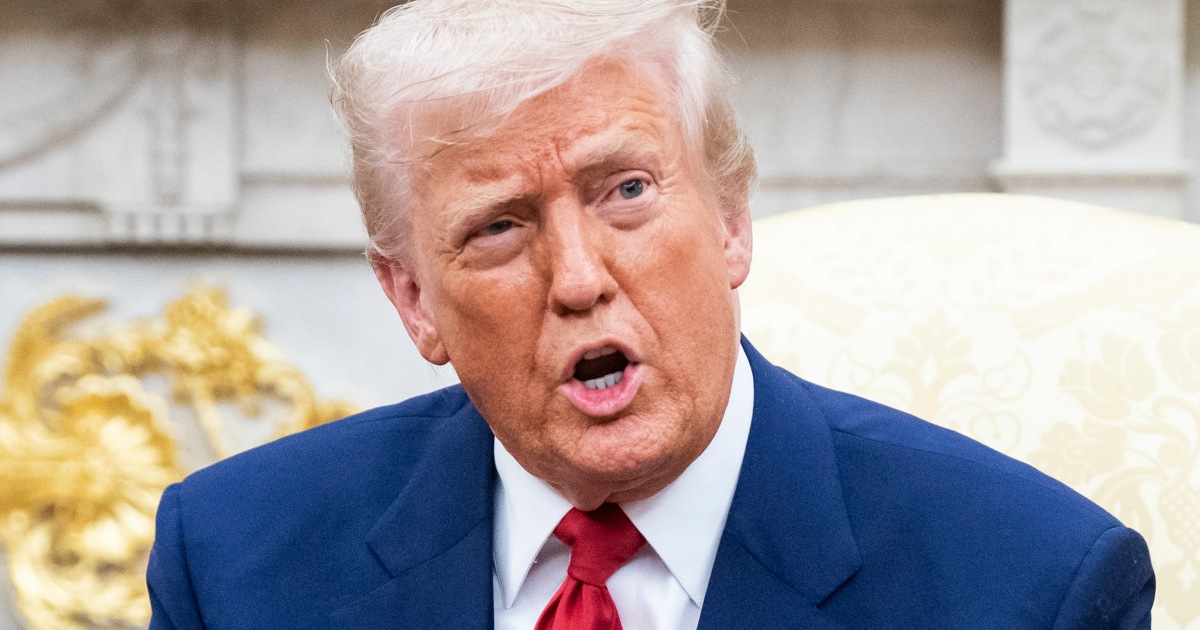
Trump Announces Temporary Tariff Pause Amid Heightened Trade Tensions with China
In a strategic shift, former President Donald Trump revealed plans to suspend reciprocal tariffs with China for 90 days while simultaneously raising tariffs on select Chinese imports to 125%. The announcement, made during a press briefing in Washington on Thursday, aims to ease short-term economic pressures while maintaining a hardline stance against Beijing. The move comes as trade tensions between the two superpowers reach their highest level since 2019, sparking debate among economists and policymakers about its potential global impact.
A Calculated Trade Policy Shift
The dual-track tariff strategy represents what Trump called a “temporary breathing period” for U.S. businesses affected by retaliatory measures, particularly in agriculture and manufacturing sectors. However, the 125% tariff hike—applied to $50 billion worth of Chinese steel, aluminum, and technology products—signals continued aggression toward what the former president labeled “unfair trade practices.”
“We’re giving American companies three months to adjust their supply chains,” Trump stated, flanked by former trade advisors. “But let me be clear: China’s theft of intellectual property and market manipulation won’t be tolerated.”
Recent Commerce Department data underscores the high stakes:
- U.S.-China goods trade deficit reached $279 billion in 2023
- Chinese tariffs currently affect $110 billion worth of U.S. exports
- 25% of U.S. manufacturers report supply chain disruptions due to trade wars
Mixed Reactions from Economists and Industry Leaders
Dr. Evelyn Cho, senior fellow at the Peterson Institute for International Economics, criticized the approach: “This isn’t a de-escalation—it’s targeted escalation wrapped in a temporary concession. The 125% tariffs will likely trigger immediate retaliation, negating any benefits from the 90-day pause.”
Conversely, National Association of Manufacturers President Jay Timmons praised the temporary relief: “Our members need stability. This window allows businesses to diversify suppliers and avoid layoffs.” Agricultural groups remain skeptical, noting that China has already shifted 60% of its soybean imports to Brazil since 2018.
The policy divergence reflects deeper ideological divides:
- Pro-tariff advocates argue aggressive measures protect strategic industries
- Free trade proponents warn of inflationary pressures and job losses
- Geopolitical analysts suggest this signals preparation for broader tech decoupling
Potential Impacts on Global Supply Chains
The selective tariff surge targets industries central to Biden’s infrastructure and clean energy agendas. Solar panel component costs could rise by 18% based on 2022 tariff impact models, potentially delaying renewable projects. Automotive analysts predict a $2,800 average price increase for electric vehicles using Chinese batteries.
“This isn’t just about trade balances,” explained MIT supply chain expert Professor Rajiv Shah. “By exempting consumer electronics but hammering industrial inputs, Trump’s team is attempting to minimize voter backlash while pressuring China’s export-driven economy.”
Historical data suggests such measures yield mixed results:
- 2018-2020 tariffs reduced Chinese imports by 12% but cost U.S. consumers $51 billion annually
- U.S. semiconductor production grew 17% post-CHIPS Act despite higher material costs
- China’s global export share actually increased 3% during previous trade wars through EU/ASEAN rerouting
Geopolitical Calculus Ahead of Elections
The announcement coincides with heightened military tensions in the South China Sea and Taiwan Strait. Some analysts interpret the 90-day pause as an attempt to avoid simultaneous economic and security crises. Others see electoral maneuvering, as key swing states like Pennsylvania and Michigan house industries benefiting from tariff protections.
“Timing is everything,” noted Georgetown political science professor Lauren Wright. “This gives Trump a dual message—he can claim to be easing burdens on voters while projecting toughness against China, a proven applause line at rallies.”
Recent polls show:
- 52% of voters support tougher China trade policies
- But 68% worry about rising consumer prices from trade wars
- 60% of small businesses report tariffs hurt profitability more than help
What Comes Next in U.S.-China Trade Relations?
Beijing’s response will likely determine whether this becomes a turning point or temporary lull. China’s Commerce Ministry warned of “resolute countermeasures” but left room for negotiation. Observers note that China’s domestic consumption growth (projected at 5.8% for 2024) may reduce reliance on U.S. markets, giving it greater leverage.
For U.S. businesses, the 90-day window presents critical decisions:
- Retailers may accelerate Vietnam and India sourcing shifts
- Tech firms could fast-track Mexican and Malaysian production
- Farmers face uncertainty over whether to plant export-heavy crops
As the November election approaches, trade policy remains a key differentiator between presidential candidates. While the temporary pause offers short-term relief, the drastic tariff hikes ensure U.S.-China economic tensions will continue simmering—with global markets caught in the crossfire.
For ongoing analysis of how these tariffs affect specific industries, subscribe to our trade policy newsletter for weekly expert breakdowns.
See more CCTV News Daily