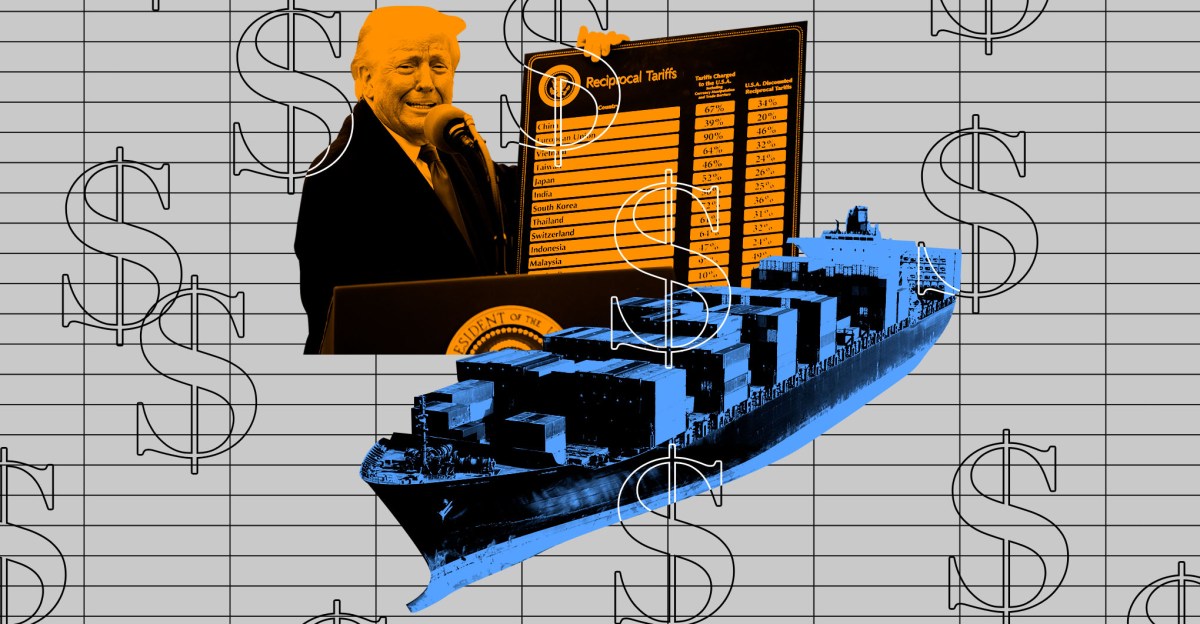
Trump Proposes Temporary Tariff Freeze: A Strategic Pause or Political Maneuver?
In a move that caught economists and policymakers off guard, former President Donald Trump announced a proposed 90-day suspension of tariffs on Chinese imports. The surprise announcement, made during a campaign event in Detroit on Tuesday, could temporarily ease trade tensions between the world’s two largest economies while raising questions about long-term strategy.
The Mechanics of the Proposed Tariff Freeze
The temporary suspension would affect approximately $370 billion worth of Chinese goods currently subject to tariffs ranging from 7.5% to 25%. According to Trump’s policy advisors, the pause would begin as early as September 1 if implemented, providing what they call “breathing room” for American businesses ahead of the holiday shopping season.
Key aspects of the proposal include:
- A 90-day moratorium on all Section 301 tariffs imposed during Trump’s presidency
- No retroactive refunds for tariffs already paid
- Establishment of a bilateral working group to assess trade imbalances
- Exclusion of tariffs related to national security concerns
Mixed Reactions From Economic Experts
Dr. Evelyn Cho, senior fellow at the Peterson Institute for International Economics, offered cautious optimism: “This temporary reprieve could help cool inflation by 0.3-0.5 percentage points in the short term. However, without structural reforms, we’re just kicking the can down the road.”
Conversely, manufacturing advocates expressed concern. “This sends exactly the wrong signal to companies that invested billions reshoring production,” argued National Association of Manufacturers CEO Jay Timmons. “Temporary relief doesn’t solve China’s unfair trade practices.”
Global Trade Implications of the Tariff Proposal
The announcement sent immediate ripples through global markets, with the Shanghai Composite Index gaining 1.8% in overnight trading. Analysts suggest the move could:
- Reduce container shipping costs by 12-15% as trade volumes normalize
- Ease supply chain bottlenecks for electronics and automotive components
- Potentially delay European Union counter-tariffs scheduled for October
However, Asian trade partners remain wary. “We’ve seen this movie before,” commented Singapore-based trade analyst Rajiv Patel. “The 2018-2019 trade war saw multiple false starts and reversals. Markets will wait for concrete implementation.”
Domestic Economic Impact Assessment
The proposed freeze comes as U.S. inflation remains stubbornly high at 3.4% annually. A White House analysis suggests consumer prices could see:
- 2-3% reduction on affected electronics
- 1-2% decrease in home goods
- Marginal improvement in automotive prices
Yet agricultural exporters fear collateral damage. “China bought $36 billion less U.S. farm goods after the tariffs began,” noted Iowa Farm Bureau president Brent Johnson. “We need permanent market access, not temporary fixes.”
Political Calculus Behind the Trade Move
With election polls showing a dead heat, political analysts see multiple dimensions to the announcement:
- Appeal to voters concerned about inflation
- Preempt Biden campaign attacks on economic policy
- Create negotiating leverage for potential second-term deals
“This is classic Trump deal-making theater,” said Georgetown political science professor Lorraine McNeil. “He’s creating both a pressure valve for the economy and a bargaining chip for future negotiations.”
What Comes Next for U.S.-China Trade Relations?
The proposal’s implementation faces several hurdles:
- Requires coordination with current administration officials
- Potential Congressional review under trade promotion authority
- Need for reciprocal concessions from Beijing
Chinese commerce ministry officials offered measured response, stating they “welcome any steps toward fair trade” while emphasizing their “right to protect domestic industries.”
The Road Ahead: Temporary Relief or Lasting Change?
As businesses and governments assess the proposal’s implications, key questions remain unanswered. Will this pause lead to comprehensive trade reform? Can temporary measures address structural imbalances? Most importantly, will consumers see tangible benefits before November?
For investors and policymakers alike, the coming weeks will prove crucial. As global supply chains hang in the balance, this temporary tariff freeze may determine whether the world’s economic giants resume cooperation or return to confrontation.
Stay informed on evolving trade policies by subscribing to our daily economic briefing.
See more CCTV News Daily