Unpacking the Limits of Trump’s Tariff Pause: What Lies Ahead?
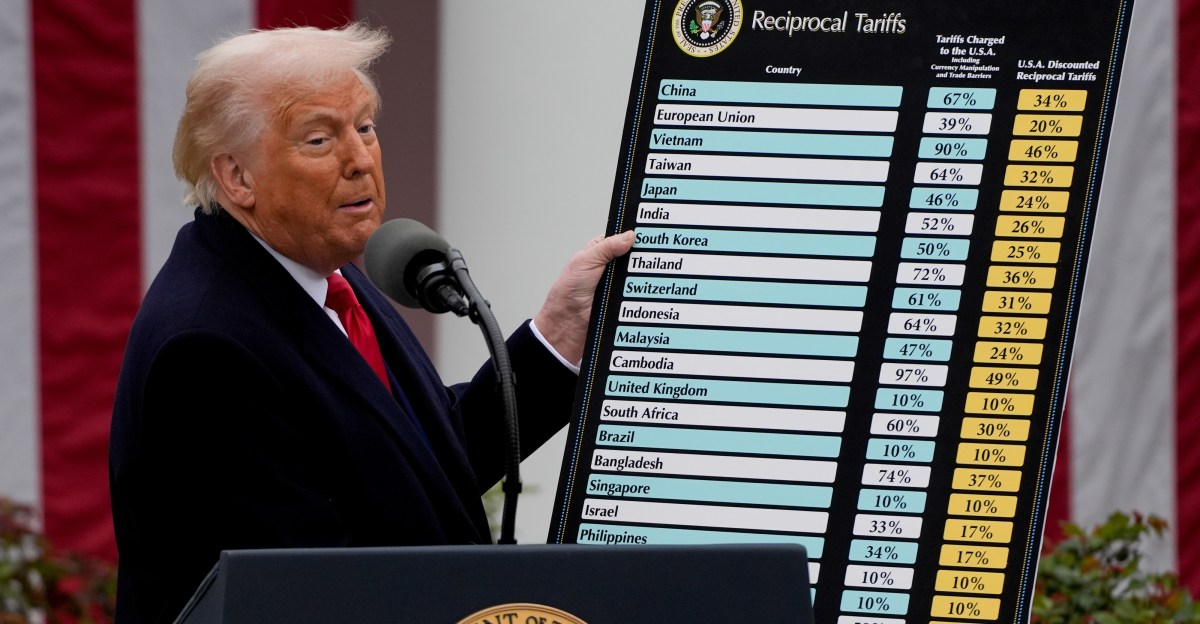
President Donald Trump announced a temporary pause on new tariffs this week, delaying planned levies on $160 billion worth of Chinese goods. The decision, made amid ongoing trade negotiations, aims to ease economic tensions but has sparked debate among experts. While some view it as a strategic move to stabilize markets, others warn it fails to address deeper structural issues in U.S.-China trade relations.
The Immediate Impact of the Tariff Pause
The White House framed the pause as a goodwill gesture ahead of upcoming negotiations, offering relief to businesses bracing for higher costs. According to the U.S. Chamber of Commerce, the delayed tariffs affect industries ranging from electronics to agriculture, potentially saving companies $40 billion in additional expenses this quarter. However, existing tariffs on $360 billion of Chinese imports remain in place.
“This is a tactical retreat, not a strategic surrender,” said Dr. Linda Chen, a trade economist at the Brookings Institution. “The pause gives both sides breathing room, but without a comprehensive deal, businesses will continue facing uncertainty.”
Market reactions were cautiously optimistic:
- The Dow Jones rose 1.2% following the announcement
- Agricultural futures rebounded by 3.5%
- Tech stocks saw mixed results amid lingering supply chain concerns
Underlying Tensions Remain Unresolved
Despite the temporary reprieve, core disputes over intellectual property theft, forced technology transfers, and subsidies to state-owned enterprises remain unresolved. A 2023 International Monetary Fund report estimates these practices cost U.S. firms $50 billion annually in lost revenue.
“The tariff pause is like pressing pause on a bleeding wound,” remarked former U.S. Trade Representative Michael Froman. “It stops the immediate damage but doesn’t heal the injury beneath.”
Chinese officials welcomed the move but reiterated their stance on key issues:
- Refusal to abandon industrial policy goals outlined in “Made in China 2025”
- Demands for complete tariff rollbacks as part of any final agreement
- Insistence on maintaining state-led economic model elements
Sector-Specific Consequences and Reactions
The pause brings uneven relief across industries. Automotive manufacturers, facing 25% tariffs on $30 billion worth of parts, expressed cautious optimism. “This gives us 90 days to adjust supply chains,” said Auto Alliance CEO John Bozzella, “but long-term planning requires permanent solutions.”
Conversely, farmers remain skeptical. Soybean exports to China, once a $12 billion market, have plummeted 75% since 2018. “We need market access, not temporary truces,” said Iowa Farmers Union president Aaron Lehman, noting that 40% of U.S. agricultural exports previously went to China.
Economic Projections and Long-Term Outlook
The Congressional Budget Office estimates that existing tariffs will reduce U.S. GDP growth by 0.3% in 2024. While the pause may prevent further contraction, economists warn of persistent challenges:
- Consumer prices have risen 6% on tariff-affected goods since 2018
- Manufacturing activity has declined for five consecutive months
- Business investment growth slowed to 1.2% in Q2 2023
Global supply chains continue adapting, with Vietnam and Mexico seeing 18% and 12% increases respectively in U.S.-bound exports since 2020. “Companies aren’t waiting for resolutions—they’re restructuring,” noted supply chain analyst Priya Patel.
Potential Scenarios Moving Forward
Experts outline three probable outcomes:
- Breakthrough Agreement: Comprehensive deal addressing IP protections and market access (20% probability per Peterson Institute)
- Prolonged Stalemate: Repeated extensions maintaining status quo (55% probability)
- Escalation: Resumption of tariff hikes if talks collapse (25% probability)
The Biden administration faces complex choices regardless of November’s election results. “Whoever occupies the White House inherits a trade war that’s reshaping global commerce,” said Georgetown University professor Marc Busch.
Broader Implications for Global Trade
The tariff pause occurs against a backdrop of shifting alliances. The European Union recently concluded its own trade agreement with China, while 15 Asia-Pacific nations signed the Regional Comprehensive Economic Partnership (RCEP) in 2022. These developments risk marginalizing U.S. influence in setting trade standards.
Meanwhile, Chinese investment in Latin America and Africa has grown 22% annually since 2020, according to World Bank data. “The geopolitical chessboard is changing,” observed Atlantic Council senior fellow Hung Tran. “Trade policy can’t be viewed in isolation from broader strategic competition.”
What Businesses and Investors Should Watch
Key indicators to monitor in coming months:
- Progress on Phase Two negotiations beyond agricultural purchases
- Chinese enforcement of existing intellectual property commitments
- Federal Reserve responses to tariff-related inflation pressures
- Shifts in multinational corporate investment patterns
For businesses navigating this uncertainty, the National Association of Manufacturers recommends:
- Diversifying supplier networks beyond China
- Accelerating automation investments to offset labor costs
- Leveraging free trade zones where available
As the tariff pause takes effect, its ultimate significance may depend less on economic calculations than political will. With the 2024 election looming and China’s Communist Party leadership focused on stability, both sides face pressure to demonstrate progress without conceding core positions. The coming months will reveal whether this temporary measure becomes a turning point or merely an intermission in an ongoing trade conflict.
For ongoing analysis of trade policy developments, subscribe to our weekly economic briefing.
See more CCTV News Daily