Inside Trump’s Tariff Strategy: A Promising Deal or Economic Mirage?
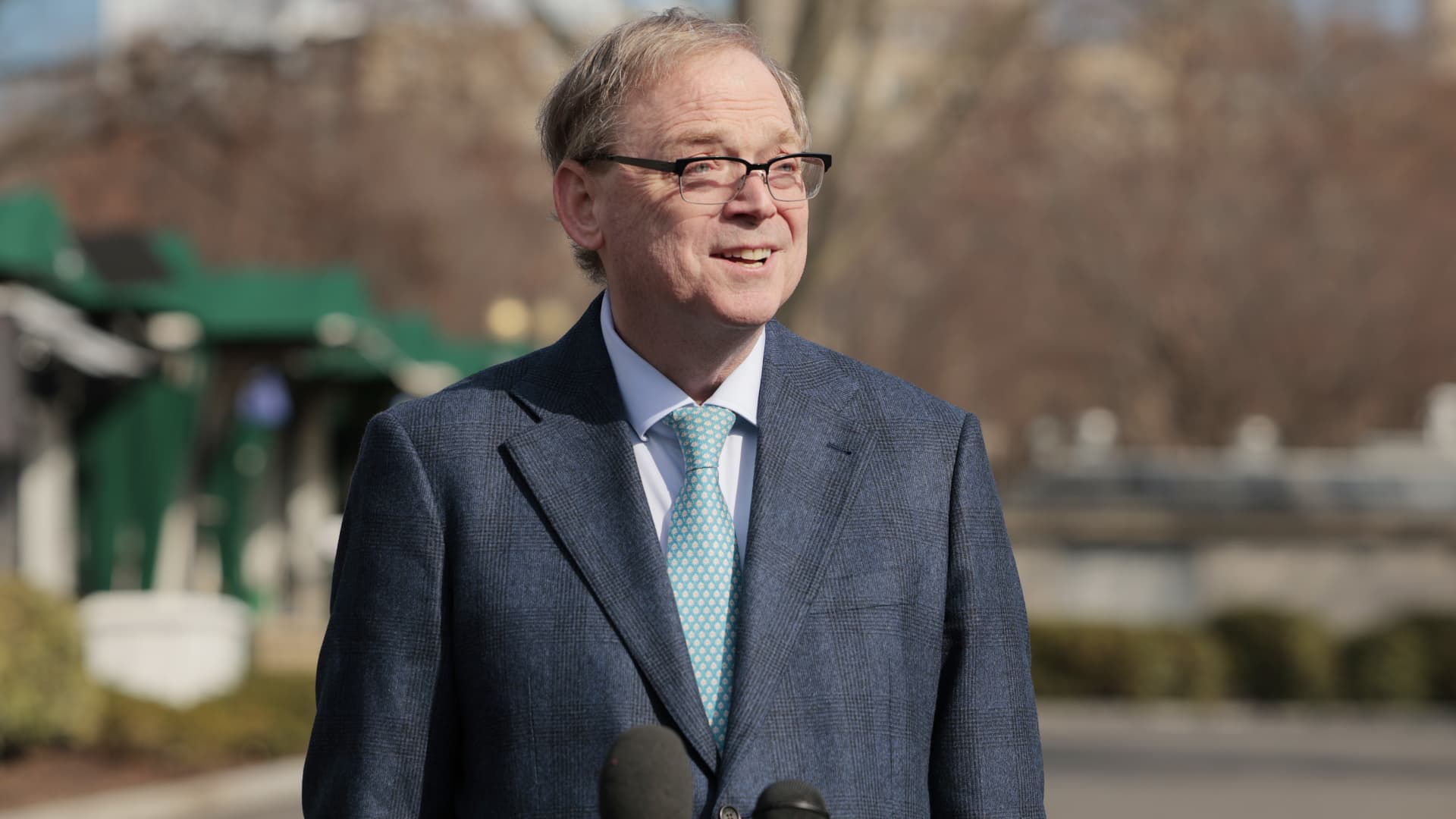
Former President Donald Trump’s economic team is signaling a bold new tariff strategy, claiming it will boost American industries without triggering a recession. A key aide recently revealed ongoing negotiations that could reshape global trade dynamics, but economists remain divided on whether the plan is viable amid rising inflation and geopolitical tensions. The proposal, expected to take center stage if Trump wins the 2024 election, has sparked fierce debate about its potential risks and rewards.
The Vision Behind the Tariff Push
Trump’s tariff strategy hinges on aggressive import taxes designed to protect domestic manufacturing and force trading partners to renegotiate terms. His aide, speaking anonymously, described the approach as a “game-changer” for industries like steel, automotive, and technology. “We’re not just leveling the playing field—we’re tilting it in America’s favor,” the aide asserted, dismissing concerns about retaliatory measures.
Historical data, however, paints a mixed picture. During Trump’s presidency, tariffs on Chinese goods exceeded $370 billion, yet the U.S. trade deficit with China grew by 14% between 2016 and 2020, according to the U.S. Census Bureau. Supporters argue the new plan will avoid past pitfalls by targeting specific sectors and offering exemptions for allies. Critics counter that global supply chains, still recovering from pandemic disruptions, can’t absorb another shock.
Economic Experts Weigh In
Dr. Linda Chen, a trade economist at the Brookings Institution, warns that the proposal ignores current realities. “Tariffs act as a tax on consumers,” she says. “With inflation at 3.7% and wage growth stagnant, this could deepen financial strain for households.” Conversely, Peter Navarro, Trump’s former trade advisor, insists the strategy will “revitalize hollowed-out industrial towns” by incentivizing local production.
Key points of contention include:
- Job creation vs. job loss: While tariffs may boost manufacturing, industries reliant on imports, like retail, could face layoffs.
- Global retaliation: The EU and China have previously imposed counter-tariffs on U.S. agricultural exports.
- Long-term competitiveness: Some analysts fear protectionism could stifle innovation by reducing competitive pressure.
The Political Calculus
Trump’s team is betting the strategy will resonate in swing states like Pennsylvania and Ohio, where manufacturing jobs remain a pivotal issue. A recent Pew Research poll shows 52% of voters in these regions support tougher trade policies—a statistic the campaign is leveraging. Yet Democratic leaders, including Treasury Secretary Janet Yellen, caution that “unilateral tariffs fracture alliances we need to counter China’s rise.”
The timing is also precarious. The World Bank projects global growth will slow to 2.4% in 2024, and the IMF warns trade fragmentation could slash GDP by up to 7% long-term. “This isn’t 2016,” notes economist Mark Zandi. “The world economy is on thinner ice.”
What’s Next for Tariff Policy?
If Trump secures a second term, observers expect an early push to implement the tariffs, likely through executive action. The Biden administration’s more multilateral approach—emphasizing partnerships like the Indo-Pacific Economic Framework—would face reversal. Meanwhile, businesses are bracing for uncertainty. “We’re modeling scenarios from supply chain shifts to price hikes,” says a spokesperson for the National Retail Federation.
The debate ultimately hinges on a fundamental question: Are tariffs a short-term pain for long-term gain, or a recipe for economic stagnation? As voters weigh in, the answer could redefine America’s role in the global market.
For deeper analysis on trade policy’s impact on your industry, subscribe to our newsletter for weekly insights.
See more CCTV News Daily