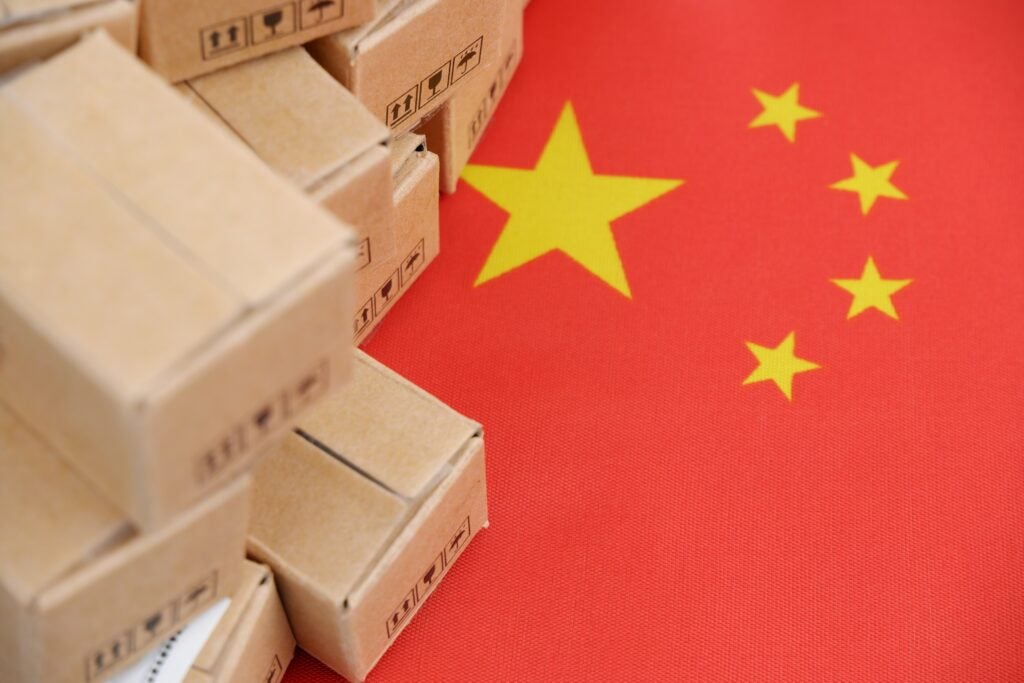
Trump’s Tariff Maneuver: A Strategic Shift in U.S.-China Trade Relations
In a surprising policy shift, former President Donald Trump has slashed the de minimis tariff threshold for Chinese imports while temporarily suspending a major postal fee, signaling a potential thaw in U.S.-China trade tensions. The move, announced last week, aims to ease costs for American businesses but has sparked debate over its long-term economic and geopolitical consequences. Analysts suggest this could recalibrate trade dynamics ahead of the 2024 election.
The Mechanics of the Tariff Adjustment
The de minimis provision—which allows goods valued under $800 to enter the U.S. duty-free—has been a contentious issue, with critics arguing it enables Chinese exporters to bypass tariffs. Trump’s adjustment lowers this threshold to $400, effective immediately, while waiving the $5 billion annual postal fee China pays for U.S. delivery infrastructure. The dual measures aim to:
- Reduce competitive disadvantages for U.S. manufacturers
- Alleviate inflationary pressures on consumer goods
- Create leverage in ongoing trade negotiations
“This is a calculated gambit,” says Dr. Evelyn Tan, a trade policy fellow at the Peterson Institute. “By easing postal fees but tightening the de minimis loophole, Trump is offering carrots and sticks to Beijing while appealing to domestic voters worried about prices.”
Economic Impacts and Industry Reactions
Early data suggests mixed effects:
- Retailers: The National Retail Federation reports a 12% drop in shipping costs for small parcels, but warns the lower de minimis could raise prices for fast-fashion and electronics.
- Manufacturers: The Alliance for American Manufacturing praises the move, citing a projected 8,000 job gains in textiles and steel.
- Consumers: Moody’s Analytics estimates a 0.3% reduction in inflation for Q3 2024, though some e-commerce platforms may offset savings with higher handling fees.
“We’re seeing whiplash in supply chain strategies,” notes logistics expert Mark Chen of Flexport. “Companies that relied on direct-to-consumer micro-shipments from China are now scrambling to consolidate orders or shift to Southeast Asian suppliers.”
Geopolitical Calculus Ahead of the Election
The timing raises questions about political motivations. With Trump leading in key swing states by an average of 4 points (Reuters/Ipsos, June 2024), the policy aligns with his campaign’s dual focus on:
- Tough-on-China rhetoric (recent ads highlight “closing trade loopholes”)
- Economic relief messaging (“cutting costs for working families”)
Beijing’s response has been measured. A Commerce Ministry statement called the changes “a step toward mutual benefit,” though analysts suspect China may reciprocate by easing restrictions on U.S. agricultural imports. Meanwhile, the Biden campaign has criticized the move as “inconsistent,” noting Trump’s earlier tariffs remain largely intact.
Long-Term Implications for Global Trade
The policy could accelerate three trends:
- Nearshoring: Mexico’s exports to the U.S. hit record highs in Q1 2024 ($156 billion), with Vietnamese and Indian suppliers also gaining market share.
- Tech Decoupling: Semiconductor trade between the U.S. and China fell 28% year-over-year, per Gartner.
- Currency Fluctuations: The yuan has weakened 1.5% against the dollar since the announcement, easing pressure on Chinese exporters.
“This isn’t a full détente,” warns CSIS senior adviser Scott Kennedy. “Both nations are still playing 4D chess with trade rules while avoiding outright confrontation before the U.S. election.”
What Comes Next?
Observers should watch for:
- China’s response at the July 16-17 WTO ministerial meeting
- Potential adjustments to Section 301 tariffs if Trump wins
- Shifts in Congressional sentiment—Senate Finance Chair Wyden has vowed hearings on the “unilateral tariff changes”
For businesses, the message is clear: diversify supply chains and prepare for continued volatility. As the world’s two largest economies recalibrate their trade playbook, adaptation will be the key to survival. Stay updated with our trade policy tracker for real-time analysis on these developments.
See more CCTV News Daily