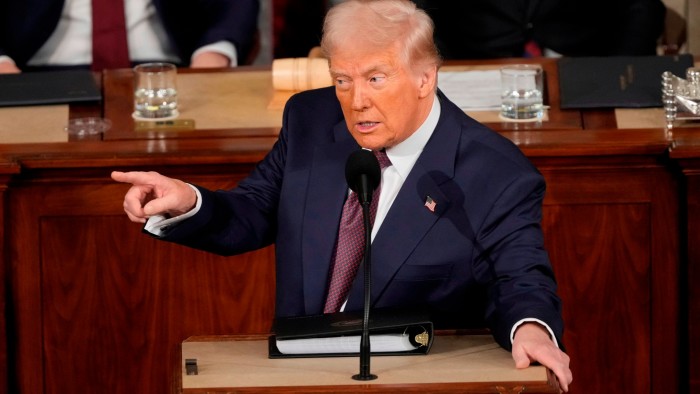
Trump’s Bold Tariff Warning: A Recipe for Economic Disruption?
In a recent speech that captured national attention, Donald Trump made a striking assertion regarding proposed tariffs, suggesting they could lead to “a little disturbance” in the economy. This remark has ignited a flurry of discussions about the potential ramifications for global trade, American consumers, and the overall economic landscape. As the world watches closely, it’s essential to dissect the layers of this statement and understand what it could mean for various stakeholders.
The Context of Trump’s Tariff Warning
Donald Trump, known for his unorthodox approach to policy-making, has a long history of advocating for tariffs as a tool to protect American industries. His latest speech appears to be a continuation of that narrative, aimed at addressing concerns about international trade imbalances. But what exactly does he mean by a “little disturbance”? In the realm of economics, even minor shifts can have cascading effects, especially when it comes to tariffs.
- Economic Protectionism: Tariffs are often viewed as a form of economic protectionism, designed to shield domestic industries from foreign competition.
- Trade Wars: The imposition of tariffs can trigger retaliatory measures from trading partners, leading to a trade war that disrupts global supply chains.
- Consumer Impact: Increased tariffs can lead to higher prices for consumers, affecting purchasing power and overall economic sentiment.
Understanding Tariffs and Their Implications
To fully appreciate the potential disruptions that could arise from Trump’s tariff warning, it’s important to delve into how tariffs function and their broader implications.
Tariffs are taxes imposed on imported goods, making them more expensive compared to local products. While they can create a temporary boost for domestic manufacturers, the long-term effects on the economy can be complex and multifaceted.
Short-Term Gains vs. Long-Term Consequences
Initially, tariffs can protect certain industries, leading to job preservation and an uptick in local production. However, these benefits can be overshadowed by several long-term consequences:
- Increased Costs: As foreign goods become pricier, businesses may pass these costs onto consumers, leading to inflation.
- Retaliation from Other Countries: Countries affected by tariffs may impose their own tariffs in response, leading to reduced exports and strained diplomatic relations.
- Supply Chain Disruption: Modern economies are interconnected. Tariffs can disrupt established supply chains, impacting various sectors beyond those directly targeted.
Economic Disruption: A Closer Look
So, what constitutes a “little disturbance” in the economy? Economists often use indicators like GDP growth, unemployment rates, and inflation to measure economic health. Even minor adjustments in these indicators can signal larger trends. For instance, a spike in inflation due to tariffs could erode consumer confidence, leading to decreased spending and slower economic growth.
The Ripple Effect
Consider this: when tariffs are imposed, the immediate impact is felt by importers and consumers. But the ripple effect extends to various sectors:
- Retail Sector: Retailers may struggle with increased costs, potentially leading to higher prices for consumers and reduced sales.
- Manufacturing Industries: Industries reliant on imported raw materials may face higher production costs, affecting their competitiveness.
- Agriculture: Farmers who rely on exports may find their markets shrinking due to retaliatory tariffs from other nations.
The Broader Implications for Global Trade
Trump’s bold tariff warning doesn’t just affect the United States; it has implications for global trade dynamics. The interconnected nature of the global economy means that changes in U.S. trade policy can set off a domino effect worldwide.
International Relations and Trade Partnerships
Tariffs can strain relationships with key trading partners. Countries affected by U.S. tariffs may seek to forge new alliances or strengthen existing ones to mitigate the impact. This shift can lead to a reconfiguration of global trade networks, with significant implications for international business.
Consumer Reactions and Market Response
Consumers play a pivotal role in the economy, and their reactions to tariff announcements can influence market performance. Rising prices may lead to decreased consumer spending, prompting businesses to adjust their strategies accordingly.
- Shift in Purchasing Behavior: Consumers may seek alternative products or brands that are not subject to tariffs, impacting sales for affected companies.
- Investor Sentiment: The stock market often reacts to news of tariffs, with investors closely monitoring sectors that could be hit hardest.
As the implications of Trump’s tariff warning unfold, businesses and consumers alike must navigate this uncertainty. It’s crucial to remain informed about potential changes in trade policy and market conditions.
Strategies for Businesses
Organizations should consider several strategies to mitigate the risks associated with potential tariffs:
- Diversification: Expanding supply chains to include domestic sources can reduce reliance on foreign imports.
- Cost Management: Businesses may need to reevaluate pricing strategies to accommodate increased costs without alienating consumers.
- Market Research: Understanding consumer sentiment and adapting marketing strategies can help businesses remain competitive.
Conclusion: A Call for Caution
Trump’s bold tariff warning serves as a reminder of the delicate balance within the global economy. While the prospect of tariffs may be framed as a protective measure for American industries, the potential for economic disruption cannot be overlooked. As we move forward, both policymakers and businesses must tread carefully, weighing the immediate benefits of tariffs against the broader implications for economic stability and global trade relationships.
In navigating these turbulent waters, staying informed and adaptable will be key for all stakeholders involved. Whether you’re a consumer, a business owner, or a policymaker, understanding the complexities of tariffs and their potential impact is essential in today’s interconnected world.
See more CCTV News Daily