Unpacking the Impact: How Trump’s Tariffs Reshape Africa’s Economic Landscape
Former U.S. President Donald Trump’s tariffs, implemented between 2018-2020, continue to ripple through global markets with unexpected consequences for African economies. The protectionist policies, initially targeting China and other major trading partners, have altered supply chains, redirected investments, and forced African nations to recalibrate their trade strategies. While some sectors face significant challenges, others discover new opportunities in the shifting economic terrain.
The Ripple Effect of Protectionist Policies
Trump’s tariffs—ranging from 10% to 25% on over $300 billion worth of imports—were designed to boost American manufacturing. However, the collateral damage extended far beyond their intended targets. African economies, deeply integrated into global supply chains, found themselves caught in the crossfire of trade wars they didn’t start.
Dr. Ngozi Okonjo-Iweala, Director-General of the World Trade Organization, notes: “When major economies engage in trade disputes, developing nations often suffer disproportionate consequences. Africa’s emerging industries face stiffer competition as redirected Chinese exports flood their markets.”
Key impacts include:
- A 23% decline in African exports to the U.S. in tariff-affected categories
- Chinese goods diverted to African markets at below-cost prices
- Disrupted regional supply chains as manufacturers seek tariff-free alternatives
Winners and Losers Across the Continent
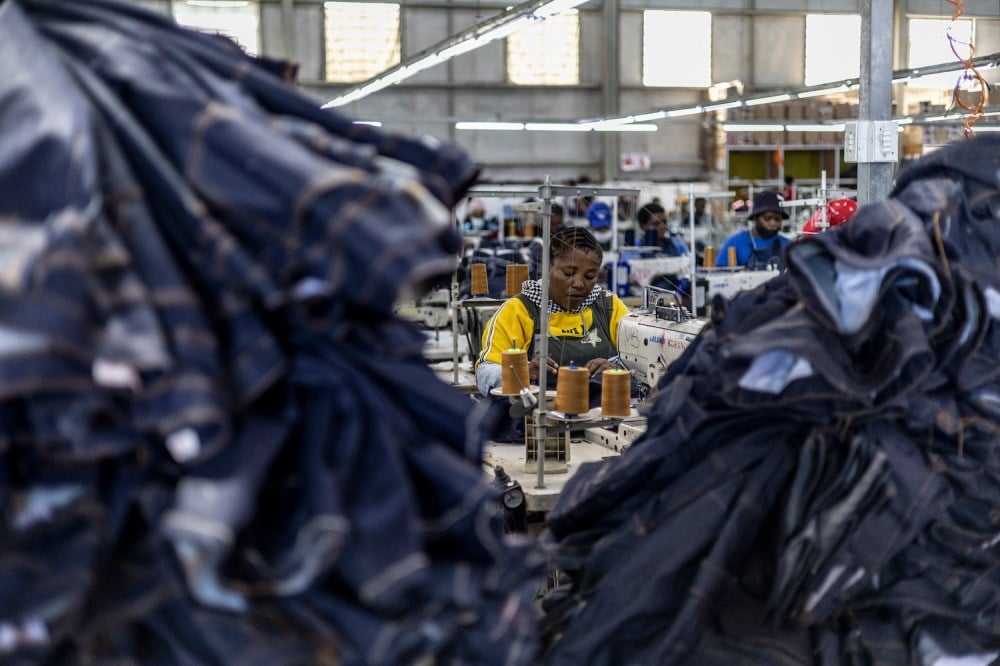
The tariff effects vary dramatically by country and sector. Ethiopia’s burgeoning textile industry, for instance, gained a temporary advantage as U.S. buyers sought alternatives to Chinese imports. Between 2018-2020, Ethiopian apparel exports to the U.S. grew by 37%, according to International Trade Centre data.
Conversely, South Africa’s aluminum and steel industries suffered. The 25% tariffs on these products cost the country an estimated $250 million in annual exports. “We’re being penalized for production efficiencies we’ve developed over decades,” says Thandiwe Mbeki, CEO of the South African Metals Alliance.
Agricultural sectors present perhaps the most complex picture:
- Kenyan coffee growers benefited from higher global prices as Brazilian exports faced barriers
- Ghanaian cocoa processors struggled with increased Chinese competition in Asian markets
- Zambian soybean farmers found new buyers in Chinese companies avoiding U.S. tariffs
Strategic Responses From African Nations
Faced with these disruptions, African governments and businesses have deployed various counterstrategies. The African Continental Free Trade Area (AfCFTA), launched in 2021, gained renewed urgency as a buffer against external shocks. By boosting intra-African trade, the agreement aims to reduce vulnerability to distant policy changes.
Professor Kingsley Moghalu of Tufts University observes: “Smart African nations are using this moment to diversify their trade portfolios and strengthen regional value chains. The tariffs accelerated timelines for economic integration that might have taken decades otherwise.”
Notable adaptations include:
- Nigeria’s push to revive local textile production through targeted incentives
- Rwanda’s focus on specialty agricultural exports less susceptible to price fluctuations
- Egypt’s expansion of Suez Canal industrial zones to capture redirected manufacturing
Long-Term Implications for Africa’s Development
Beyond immediate trade figures, the tariffs may fundamentally alter Africa’s economic trajectory. The continent faces a critical juncture—will it remain primarily an exporter of raw materials, or can it leverage these disruptions to climb global value chains?
Data suggests mixed progress:
- Manufacturing as a percentage of GDP rose slightly to 11.3% in 2022 (up from 10.9% in 2018)
- But foreign direct investment in industrial projects declined by 18% over the same period
The tariffs also intensified debates about economic sovereignty. Some policymakers advocate for stricter local content rules, while others warn against protectionism that could isolate African markets. This tension will likely shape trade policies for years to come.
As the Biden administration reviews but largely maintains many Trump-era tariffs, African nations must prepare for prolonged uncertainty. Success will require nimble strategies that account for both immediate challenges and long-term structural shifts.
Key considerations moving forward:
- Strengthening regional trade blocs to improve bargaining power
- Investing in trade infrastructure to handle diversified export flows
- Developing specialized export niches less vulnerable to global price wars
For businesses and policymakers seeking deeper analysis, the African Export-Import Bank’s quarterly trade reports provide invaluable insights into these evolving dynamics. As Africa’s economic landscape transforms, those who understand these complex interdependencies will be best positioned to thrive.
See more CCTV News Daily