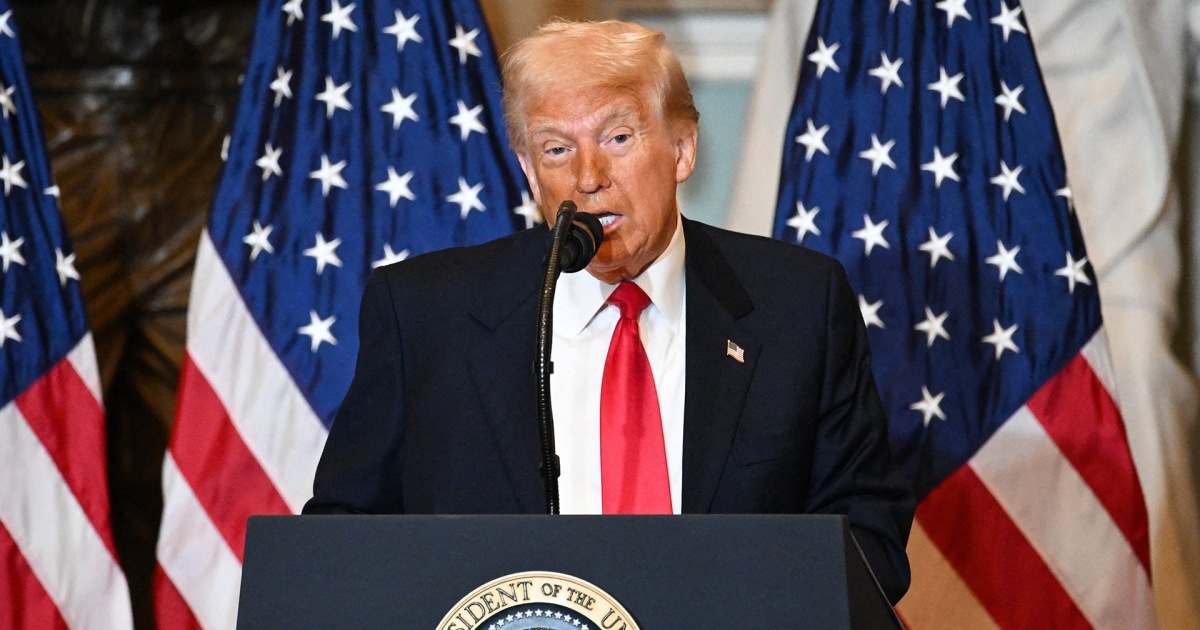
Trump’s Bold Economic Moves: Tariffs on Aluminum and Steel
In a surprising shift in U.S. economic policy, President Trump has announced new tariffs on aluminum and steel imports. This decision is part of a broader strategy aimed at revitalizing American manufacturing and reducing reliance on foreign metals. Alongside this move, the President also ordered the cessation of penny production, a decision that has raised eyebrows and sparked debate over their potential impact on the economy and consumers. These bold economic moves reflect a significant pivot in trade policy and monetary strategy that could have lasting implications for various sectors.
The Rationale Behind Tariffs on Aluminum and Steel
The imposition of tariffs on aluminum and steel imports is not merely a reactionary measure. President Trump has long argued that American industries have been at a disadvantage due to unfair trade practices by other nations, particularly China. By levying tariffs, the administration aims to:
- **Protect American Jobs:** One of the primary goals is to safeguard jobs in the steel and aluminum sectors, which have been under pressure from cheaper imports.
- **Encourage Domestic Production:** Tariffs are expected to incentivize American manufacturers to produce more domestically, potentially leading to job creation and economic growth.
- **Strengthen National Security:** The administration has also framed these tariffs as a matter of national security, arguing that a robust domestic metals industry is vital for defense and infrastructure projects.
However, the effectiveness of these tariffs is a subject of vigorous debate among economists and industry experts. Critics argue that while tariffs may protect certain jobs in the short term, they can lead to higher prices for consumers and businesses reliant on these materials. This could ultimately stifle economic growth and lead to retaliatory measures from trading partners.
Impacts on Consumers and Businesses
The tariffs on aluminum and steel are likely to have a ripple effect across various sectors of the economy. Here are some key considerations:
- **Increased Costs:** Industries that rely heavily on steel and aluminum, such as automotive and construction, may face rising production costs. This could lead to higher prices for consumers on everything from cars to homebuilding materials.
- **Supply Chain Disruptions:** Companies that import these materials may experience disruptions in their supply chains as they adjust to the new tariffs. This could affect delivery times and product availability.
- **Potential Job Losses in Other Sectors:** While the tariffs aim to protect jobs in steel and aluminum manufacturing, they may inadvertently lead to job losses in industries that are adversely affected by rising costs.
As businesses adjust to these changes, the full economic impact of the tariffs will take time to manifest. Consumers may initially feel the pinch of higher prices, leading to a broader discussion about the long-term sustainability of such protectionist policies.
The End of Pennies: A Look at Currency Production
In tandem with the tariffs, President Trump has also announced the cessation of penny production. This decision is rooted in economic practicality as the cost of producing a penny has long exceeded its actual value. The penny, which costs about 1.8 cents to produce, has increasingly been viewed as obsolete in modern commerce.
Reasons Behind the Cessation of Penny Production
- **Cost Efficiency:** Eliminating the penny could save the government millions of dollars in production costs.
- **Simplifying Transactions:** Without pennies in circulation, transactions could become simpler, reducing the time spent making change.
- **Focus on Digital Transactions:** The rise of digital payments has made physical currency less relevant, and eliminating the penny could align with this trend.
Potential Economic Effects of Ending Penny Production
The end of penny production might not seem significant on the surface, but it has broader implications for the economy:
- **Inflation Concerns:** Some worry that rounding prices to the nearest nickel could lead to subtle price increases, contributing to inflation.
- **Consumer Behavior:** The disappearance of the penny could change how consumers perceive prices and make purchasing decisions.
- **Charitable Contributions:** Many charities rely on penny drives for donations. The end of the penny could impact these fundraising efforts.
Looking Ahead: The Future of American Trade and Currency
As the administration moves forward with these bold economic strategies, the long-term impacts remain to be seen. The tariffs on aluminum and steel, along with the cessation of penny production, could reshape the landscape of American trade and consumer behavior. It’s essential for businesses and consumers alike to stay informed and adaptable as these changes unfold.
Conclusion
Trump’s bold economic moves—imposing tariffs on aluminum and steel while ending penny production—represent a significant shift in U.S. economic policy. While the intent behind these decisions is to bolster American manufacturing and improve efficiency, the actual outcomes will depend on various factors, including global trade dynamics, consumer reactions, and the adaptability of businesses across sectors. As with any major policy change, ongoing dialogue and analysis will be crucial in understanding the full ramifications of these initiatives.
Ultimately, the intersection of tariffs and currency production will likely provoke a range of responses from experts, businesses, and consumers. As the economy evolves, it will be vital to monitor how these bold moves influence the American economic landscape and whether they achieve the desired outcomes of job protection, economic growth, and efficiency in transactions.
See more CCTV News Daily