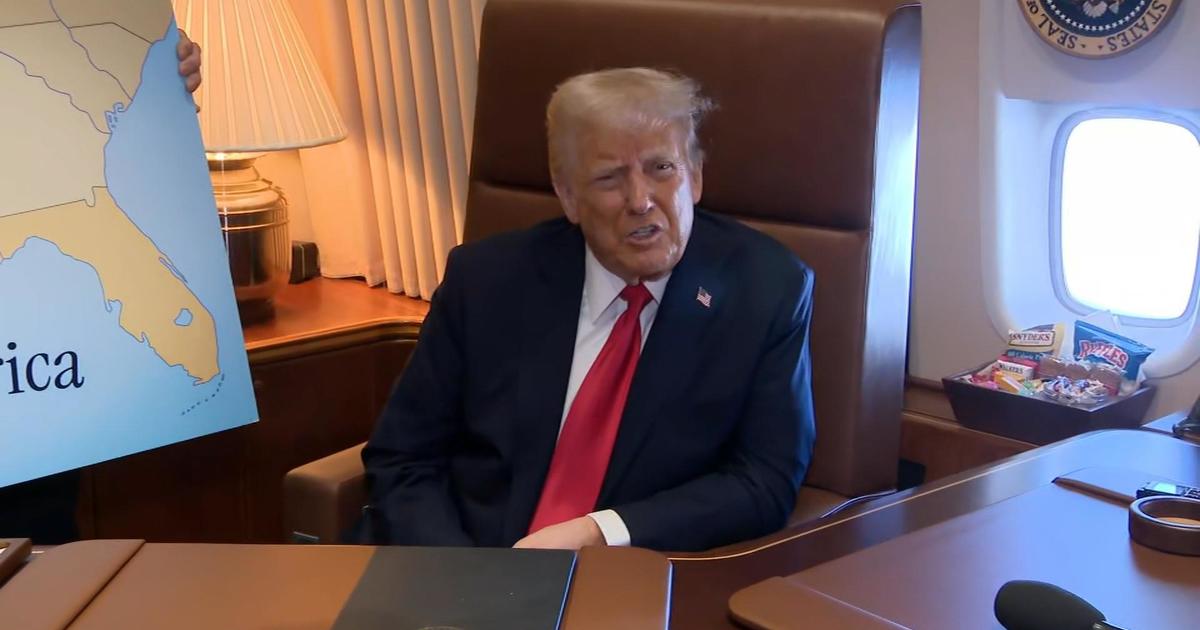
Trump’s Bold Move: Tariffs on Aluminum and Steel Reshape Trade Landscape
In a surprising announcement, President Trump revealed his plans to impose tariffs on aluminum and steel imports, igniting discussions about potential impacts on the economy and international trade relations. This decision could have far-reaching consequences for American manufacturers and global markets alike. As the implications of these tariffs unfold, it is essential to delve into the motivations behind this bold move and its anticipated effects on various sectors.
Understanding the Tariffs: What Are They and Why Now?
The tariffs, set at 25% for steel and 10% for aluminum, aim to protect American industries from what the administration describes as unfair competition. The rationale behind these tariffs is rooted in national security concerns, as President Trump maintains that a strong domestic manufacturing base is crucial for the country’s defense capabilities. By making foreign metals more expensive, the administration hopes to stimulate local production and create jobs.
Moreover, the timing of these tariffs coincides with rising tensions in international trade, particularly with major suppliers like China and Canada. Both countries have been accused of dumping low-cost metals onto the U.S. market, thereby undermining American producers. The administration argues that these tariffs will level the playing field and encourage fair trade practices.
Potential Impacts on the American Economy
While the intention behind these tariffs is to bolster American manufacturing, the potential impacts on the broader economy are complex and multifaceted. Here are some key considerations:
- Increased Costs for Industries: Many industries, including automotive and construction, heavily rely on aluminum and steel. The imposition of tariffs can lead to higher production costs, which may be passed on to consumers in the form of increased prices for goods.
- Job Creation vs. Job Loss: While the tariffs are expected to create jobs in the steel and aluminum sectors, they could also lead to job losses in industries that depend on these materials. A delicate balance must be struck to ensure that protective measures do not inadvertently harm other sectors of the economy.
- Inflation Concerns: Higher costs for raw materials could contribute to inflationary pressures, affecting everything from consumer goods to construction projects. Policymakers will need to monitor these trends closely to mitigate adverse effects on the economy.
Global Reactions and Trade Relations
The announcement of tariffs has not gone unnoticed on the international stage. Countries affected by these tariffs have expressed their discontent, with many considering retaliatory measures. For instance, Canada, which is one of the largest suppliers of aluminum and steel to the U.S., has indicated that it may impose tariffs on American goods in response.
Such retaliatory actions could further escalate tensions and lead to a trade war, a situation neither the U.S. nor its trading partners want. The global economic landscape is interconnected, and disruptions can have ripple effects globally. In this context, it’s vital for the Trump administration to engage in diplomatic discussions to address these trade barriers while considering the potential ramifications of its policies.
Long-Term Effects on Domestic Manufacturing
In the long run, these tariffs may reshape the domestic manufacturing landscape in several ways:
- Investment in Local Industry: With increased protection from foreign competition, American manufacturers may feel more incentivized to invest in domestic production capabilities. This could lead to technological advancements and increased efficiency in the sector.
- Supply Chain Adjustments: Companies reliant on imported metals might need to reassess their supply chains. This could lead to a diversification of sources, encouraging investment in domestic suppliers or alternative materials.
- Market Adaptation: As the market adjusts to these tariffs, new players may emerge in the aluminum and steel industries, potentially reshaping competitive dynamics. Startups and small businesses could find new opportunities as larger companies adapt to the new pricing environment.
Looking Ahead: Opportunities and Challenges
While President Trump’s move to impose tariffs on aluminum and steel could reshape the trade landscape, it also presents both opportunities and challenges. Here are some factors to consider moving forward:
- Innovation in Materials: The increased costs of traditional materials might spur innovation in alternative materials and manufacturing processes, paving the way for advancements in sustainable practices.
- Consumer Sentiment: As consumers notice rising prices, their sentiment toward domestic products could shift. Companies may need to communicate the benefits of supporting local manufacturing to maintain customer loyalty.
- Policy Adjustments: The administration must remain flexible and responsive to the changing economic landscape, ready to adjust policies as necessary to support both manufacturers and consumers.
Conclusion: The Road Ahead
President Trump’s bold move to impose tariffs on aluminum and steel imports marks a significant shift in U.S. trade policy. As the administration aims to protect and revitalize American manufacturing, it must also navigate the complex web of global trade relations and domestic economic impacts. The success of these tariffs will ultimately depend on a careful balancing act—protecting American jobs while fostering a competitive and innovative economic environment.
As the dust settles from this decision, stakeholders across the spectrum will need to engage in thoughtful dialogue to ensure that the long-term benefits of these tariffs outweigh the potential challenges. In this evolving trade landscape, maintaining a focus on collaboration and communication will be crucial in navigating the dynamic world of international trade.
See more CCTV News Daily