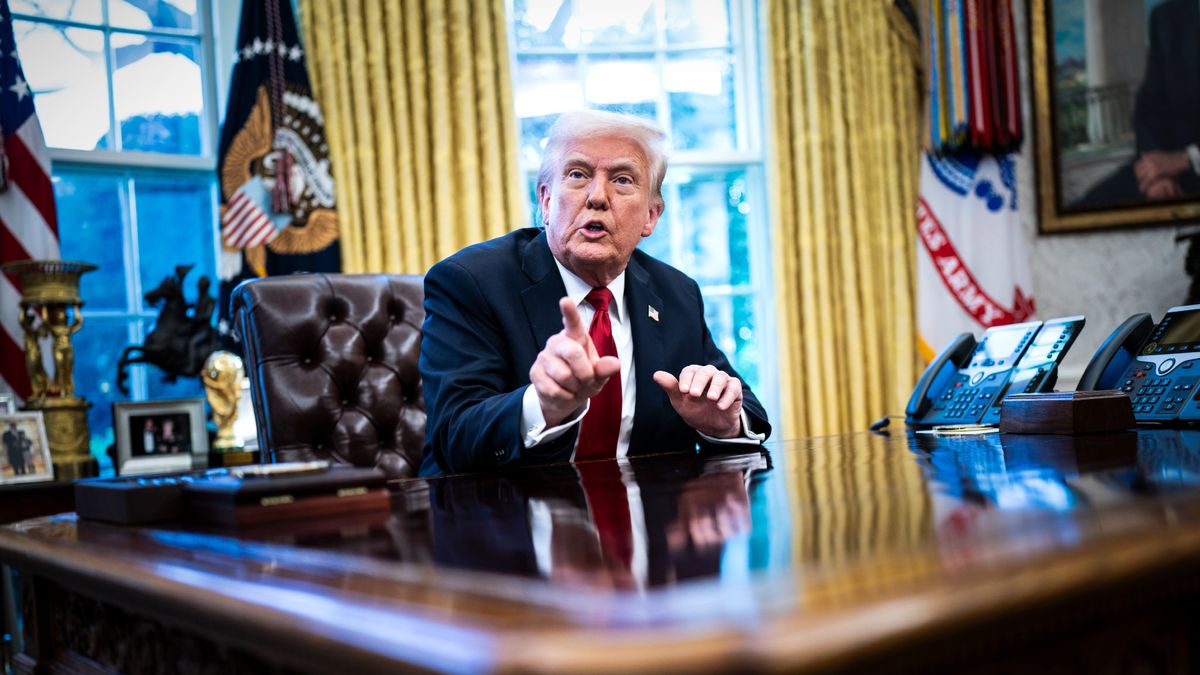
Trump Unleashes 25% Tariffs on Auto Imports: Implications for the Industry
In a significant and potentially transformative move, President Trump has announced a sweeping 25% tariff on auto imports. This bold decision is poised to reshape the automotive landscape, impacting consumers, manufacturers, and the broader economy. As stakeholders grapple with the ramifications of this policy, it is essential to explore what these tariffs mean for various sectors and the strategic responses that may follow.
The Rationale Behind the Tariff
President Trump’s administration has consistently argued that tariffs are essential for protecting American manufacturing jobs and revitalizing domestic industries. The auto sector, a cornerstone of the U.S. economy, has faced intense competition from foreign automakers. The rationale for imposing a 25% tariff on auto imports lies in:
- Protecting Jobs: One of the primary motivations is to safeguard American jobs in the automotive sector. By making imported vehicles more expensive, the administration hopes to encourage consumers to purchase American-made cars.
- Reducing Trade Deficits: The U.S. has long had a trade deficit with several countries, including those manufacturing automobiles. Tariffs aim to level the playing field and reduce the outflow of dollars.
- National Security: The administration has framed the tariffs as a measure to protect national security, asserting that a strong domestic auto industry is crucial for economic resilience.
Impact on Consumers
With the implementation of a 25% tariff on auto imports, consumers are likely to feel the effects in several ways:
- Increased Prices: As manufacturers pass on the cost of tariffs to consumers, the prices of imported vehicles are expected to rise significantly. This could make new cars less affordable for many buyers.
- Limited Choices: Increased tariffs may lead some foreign automakers to scale back their offerings in the U.S. market. This could result in fewer choices for consumers, particularly in segments where foreign brands excel.
- Impact on Used Car Market: With new car prices rising, consumers may turn to the used car market, driving prices up in that sector as well.
Manufacturers’ Strategic Responses
Automakers, both domestic and foreign, will need to adapt to the new landscape shaped by the 25% tariffs. Here are some potential strategies they might employ:
- Increasing Domestic Production: To avoid tariffs, many foreign automakers may choose to increase manufacturing operations in the U.S. This could lead to new factories and job creation, though it may take time to implement.
- Adjusting Pricing Strategies: Companies might absorb some costs or find efficiencies in their supply chains to mitigate the impact of tariffs, maintaining competitiveness while navigating higher import costs.
- Lobbying for Exemptions: Automakers may lobby the government for exemptions or reduced tariffs on specific models or components, particularly if they can demonstrate significant economic impact.
Broader Economic Implications
The announcement of a 25% tariff on auto imports extends beyond the automotive sector, carrying potential repercussions for the economy at large:
- Inflationary Pressures: Rising car prices could contribute to broader inflation, affecting consumer spending and overall economic growth.
- Supply Chain Disruptions: Many automakers rely on a global supply chain for parts and components. Tariffs could disrupt these supply chains, leading to production delays and cost increases.
- Retaliation from Trade Partners: Other countries may respond with their own tariffs on U.S. goods, leading to a potential trade war that could further escalate economic tensions.
The Future of the Automotive Industry
As the industry grapples with the implications of these tariffs, several trends may emerge:
- Increased Innovation: To maintain competitiveness, automakers may accelerate investments in electric vehicles (EVs) and autonomous technology. This could lead to a significant shift in the marketplace.
- Regional Manufacturing Hubs: The tariffs may encourage the establishment of regional manufacturing hubs that focus on specific markets, leading to a more localized production model.
- Changes in Consumer Behavior: As consumers adjust to higher prices, there may be a shift toward a preference for used cars or alternative transportation methods, such as ridesharing or public transport.
The Road Ahead
In conclusion, President Trump’s announcement of a 25% tariff on auto imports is a pivotal moment for the automotive industry. While it aims to bolster American manufacturing and protect jobs, the consequences are complex and multifaceted. Consumers may face higher prices and fewer choices, while manufacturers will need to navigate a rapidly changing landscape. The broader economic implications also raise questions about inflation, trade relations, and supply chain stability.
As the industry adapts to these new tariffs, stakeholders must remain vigilant and responsive. The future of the automotive sector may hinge on how effectively manufacturers can innovate, how consumers adjust their buying habits, and how policymakers respond to the unfolding economic landscape. Careful navigation of these turbulent waters will be crucial for the health of the U.S. automotive industry and the economy as a whole.
See more CCTV News Daily