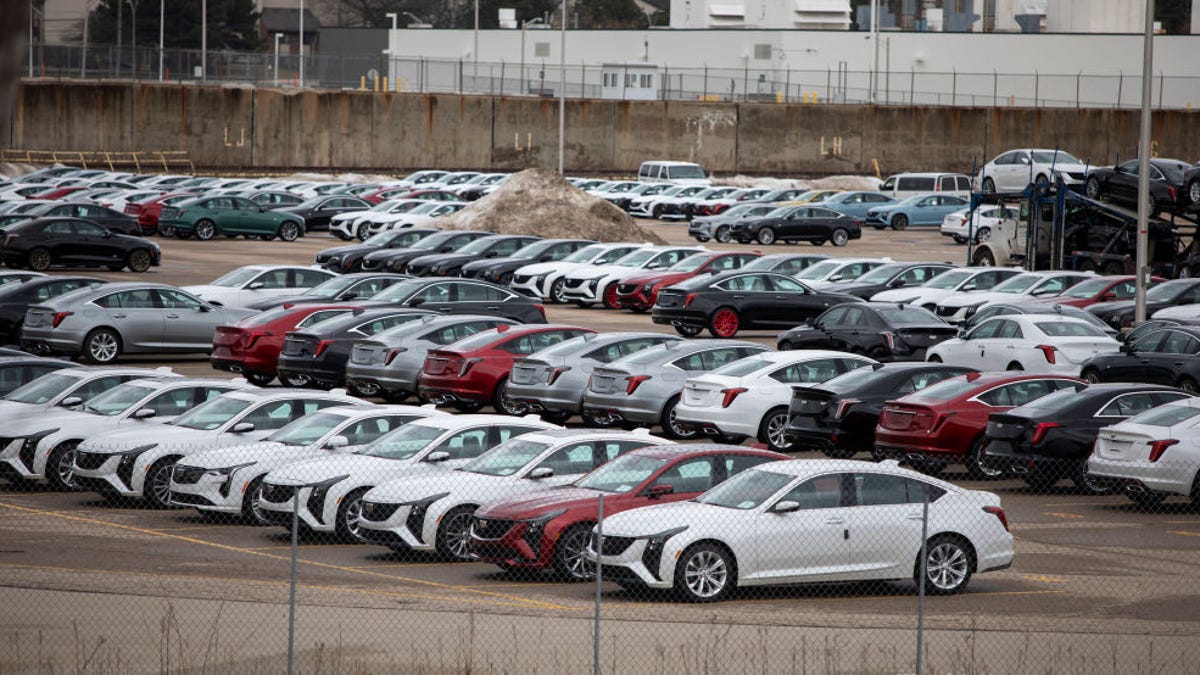
Unraveling the Impact: How Trump Tariffs May Dampen the Auto Industry’s Recovery
A new S&P Global report warns that former President Donald Trump’s proposed tariffs on imported vehicles could severely hinder the automotive industry’s post-pandemic recovery, potentially causing economic damage comparable to the 2008 financial crisis. The analysis suggests that tariffs of 10% or higher may raise vehicle prices, disrupt supply chains, and stall manufacturing growth, just as the sector regains footing. Industry experts fear these measures could trigger job losses and reduce consumer demand at a critical juncture.
The Ripple Effect of Tariffs on Auto Manufacturing
The S&P report estimates that a 10% tariff on auto imports could increase average vehicle prices by 2-3%, while steeper tariffs could push costs up by 5-8%. For context, the average new car price in the U.S. already hovers near $48,000—a 20% increase since 2020. These price hikes may price out millions of budget-conscious buyers, particularly as interest rates remain high.
“Tariffs function like a hidden tax on consumers,” explains Dr. Elena Martinez, a trade economist at the Brookings Institution. “When you combine higher sticker prices with current financing costs, we’re looking at a potential 15-20% drop in affordability for middle-income households.”
The supply chain implications are equally concerning:
- 45% of vehicles sold in the U.S. are imported, including models from European and Asian manufacturers
- Many “American-made” vehicles contain 30-50% imported components that would also face tariffs
- Retaliatory tariffs could hurt U.S. auto exports, which totaled $60 billion in 2023
Historical Parallels: COVID-19 and the 2008 Crisis
The report draws sobering comparisons between the potential tariff impacts and past industry crises. During the 2008 recession, U.S. auto sales plummeted 40% over 18 months, while COVID-19 caused a 30% production drop in Q2 2020. S&P modeling suggests new tariffs could:
- Reduce annual sales by 1-2 million vehicles
- Put 50,000+ manufacturing jobs at risk
- Delay electric vehicle adoption by 2-3 years
“This isn’t just about trade balances—it’s about destabilizing an industry that employs nearly 10 million Americans directly and indirectly,” warns Michael Chen, CEO of the Auto Innovation Alliance. “The 2021 semiconductor shortage showed us how fragile recovery can be. We can’t afford another self-inflicted wound.”
The Global Domino Effect
International automakers are preparing contingency plans. BMW, which produces 60% of its U.S.-sold vehicles in South Carolina, might shift production to China or Mexico if tariffs make American exports uncompetitive. Meanwhile, Japanese manufacturers like Toyota have warned that proposed 25% tariffs could force them to:
- Abandon $3 billion in planned U.S. factory investments
- Cut 15,000 jobs at Southern plants
- Discontinue affordable models like the Corolla
European automakers face particular vulnerability. A 10% tariff on German imports would add $5,000 to the average luxury vehicle price, potentially devastating brands like Porsche and Audi that rely on U.S. sales for 20-30% of global revenue.
Divergent Perspectives on Trade Policy
Proponents argue tariffs protect domestic manufacturing. “The U.S. auto worker has been under siege for decades,” says James O’Connor of the American Auto Workers Coalition. “These policies finally put American jobs first.”
However, data complicates this narrative:
- U.S. automakers source 30% of steel and aluminum domestically—the rest comes from Canada, Mexico, and Asia
- Every auto manufacturing job supports 5-7 ancillary jobs in logistics, dealerships, and service
- Previous 2018-2019 steel tariffs cost GM and Ford $1 billion each in material costs
“Protectionism often backfires,” counters Martinez. “When Canada retaliated with tariffs in 2018, Wisconsin auto parts suppliers lost $300 million in contracts within six months.”
As automakers brace for potential policy shifts, many are accelerating localization efforts. Ford recently announced a $1.2 billion battery plant in Michigan to circumvent imported component tariffs. However, such projects take 3-5 years to yield benefits—far longer than the immediate tariff timeline.
Consumers should prepare for:
- Fewer discounts and incentives as manufacturers pass costs
- Longer wait times for popular models as production adjusts
- Possible discontinuation of low-margin vehicles
The coming months will prove critical. Industry analysts urge policymakers to consider phased approaches and exemptions for strategic materials. “There’s a smart way to reshore manufacturing,” Chen notes, “but blanket tariffs risk stalling the entire industry’s progress on EVs and automation.”
For those concerned about vehicle affordability, experts recommend monitoring inventory levels and considering pre-owned certified vehicles as potential stopgaps. The full impact will depend on whether tariffs spark a trade war—or catalyze a more nuanced manufacturing renaissance.
See more CCTV News Daily