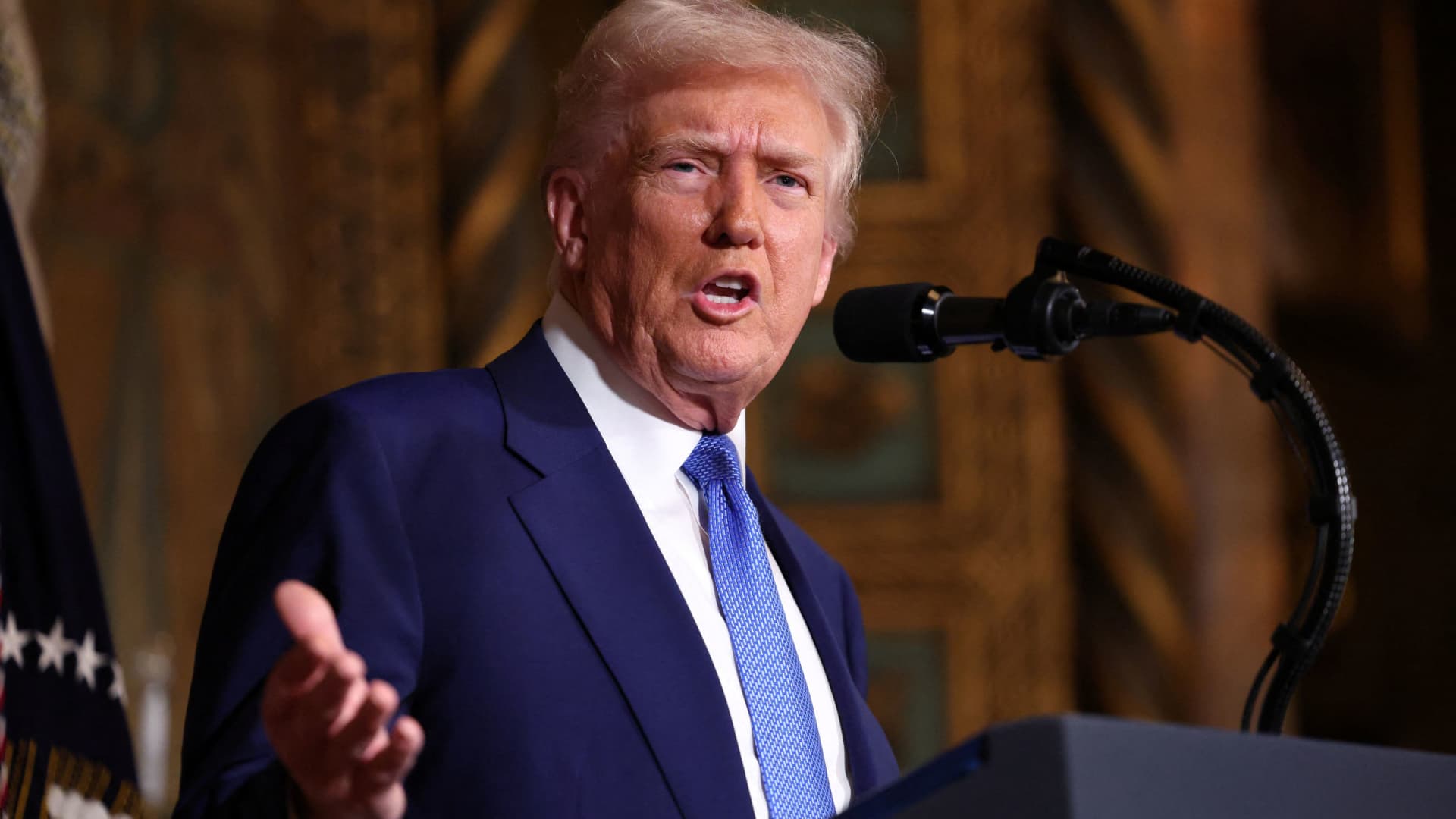
Trump Proposes Sweeping Tariffs: The Implications of 25% on Autos, Pharma, and Semiconductors
In a bold move that could reshape the economic landscape, former President Donald Trump has suggested imposing sweeping 25% tariffs on crucial industries, including automobiles, pharmaceuticals, and semiconductors. This proposal not only aims to bolster American manufacturing but also raises significant questions about its potential impact on both the domestic and global economy. As discussions around these tariffs heat up, it’s essential to analyze their implications, potential escalation, and the reactions from various stakeholders.
The Rationale Behind the Tariffs
Trump’s proposal comes in the wake of ongoing debates regarding trade deficits and the perceived unfair advantages that foreign manufacturers hold over American companies. By imposing tariffs, the former president argues that it will:
- Encourage Domestic Production: The tariffs are aimed at making American-made products more competitive against imported goods by increasing their prices.
- Protect American Jobs: By incentivizing consumers to buy local products, the proposal seeks to preserve and create jobs in sectors that have faced significant challenges from globalization.
- Address Trade Imbalances: Tariffs are seen as a tool to correct longstanding trade deficits with countries like China and Mexico.
This approach is reminiscent of Trump’s previous policies during his administration, where he championed tariffs, particularly against China. However, the economic landscape has changed since then, and the global response could be starkly different.
Impact on Key Industries
The industries targeted by these tariffs—automobiles, pharmaceuticals, and semiconductors—are critical to the economy. Each sector could experience varied effects:
Automobiles
The automotive industry is one of the largest sectors in the United States, employing millions and contributing significantly to the GDP. A 25% tariff on imported vehicles and parts could:
- Increase Consumer Costs: Higher tariffs would likely lead to increased prices for consumers, as manufacturers pass on costs.
- Disrupt Supply Chains: Many automakers rely on international supply chains for parts and materials. Tariffs could disrupt these relationships, leading to production delays.
- Impact Electric Vehicle (EV) Growth: As the industry pivots towards electric vehicles, reliance on foreign technology and components may slow down this transition.
Pharmaceuticals
The pharmaceutical industry, often criticized for high drug prices, could face significant challenges as well. The introduction of tariffs may:
- Raise Drug Prices: Tariffs on imported pharmaceuticals could lead to higher retail prices for consumers, exacerbating the issue of affordability.
- Stifle Innovation: Increased costs could limit investment in research and development, which is crucial for advancing medical solutions.
- Impact Global Collaborations: Many pharmaceutical companies rely on global partnerships. Tariffs could discourage collaboration and increase isolationism in drug development.
Semiconductors
Semiconductors are the backbone of modern technology, from smartphones to advanced computing. The implications of tariffs on this sector could include:
- Supply Chain Disruptions: The semiconductor industry is global. Tariffs could complicate relationships with key suppliers and manufacturers.
- Increased Costs for Technology Companies: Higher costs for chips could lead to increased prices for consumer electronics, affecting everything from computers to cars.
- Potential for Innovation Slowdown: As companies face rising costs, there may be less investment in new technologies and innovations.
Potential for Escalation
While 25% tariffs might be the starting point, there is a real potential for escalation. Historically, tariff proposals can lead to retaliatory actions from other countries. For example, if the U.S. imposes tariffs on automobiles, other nations might respond by levying their own tariffs on American exports, leading to a trade war.
The ramifications of such a scenario could be severe:
- Increased Costs for Consumers: A trade war typically results in higher prices across the board, affecting average Americans.
- Economic Uncertainty: Businesses thrive on predictability. Tariffs and trade wars can create a climate of uncertainty, leading to reduced investments.
- Global Economic Downturn: Tariffs can slow down global trade, potentially triggering a recession, which could have widespread consequences.
Reactions from Various Stakeholders
The proposal has garnered mixed reactions from various stakeholders:
- Manufacturers: Some American manufacturers may support tariffs, believing they will level the playing field. However, others worry about increased costs and supply chain disruptions.
- Consumers: Consumer advocacy groups express concern over rising prices, especially in essential goods like pharmaceuticals.
- International Partners: Countries that might be affected by these tariffs are likely to voice strong objections, potentially leading to diplomatic tensions.
Conclusion: A Pivotal Moment for American Trade Policy
Trump’s proposal for sweeping tariffs on automobiles, pharmaceuticals, and semiconductors represents a significant pivot in American trade policy. As the nation grapples with the implications of such measures, it becomes crucial to weigh the immediate benefits against potential long-term consequences.
The conversation surrounding these tariffs is just beginning, and the potential for escalation looms large. Stakeholders across the spectrum must engage in dialogue to navigate these uncharted waters. The outcome of this proposal could not only reshape American industries but also redefine global trade relationships for years to come.
Ultimately, as the situation unfolds, it will be vital for policymakers to consider both the economic implications and the broader social impact of such tariffs, ensuring that the path forward benefits all Americans while maintaining healthy international relationships.
See more CCTV News Daily