“`html
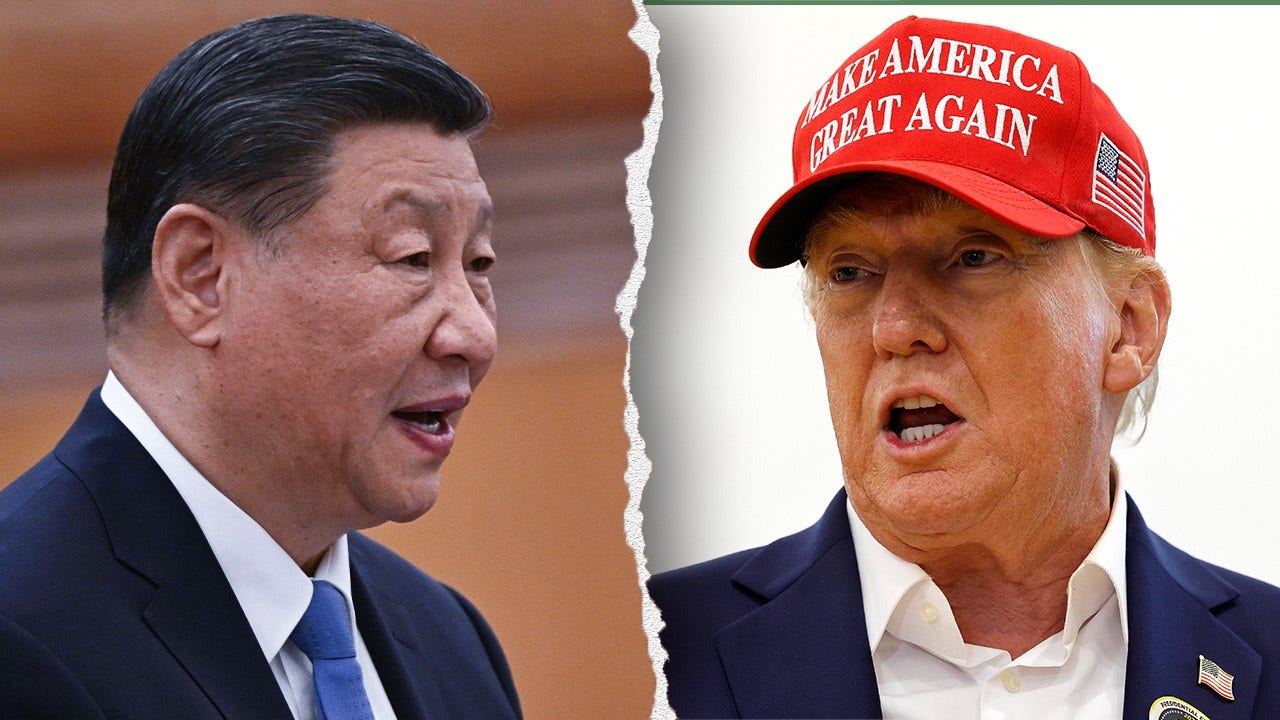
Unraveling the Trade Tensions: How Trump’s Tariff War Aims to Safeguard America
In a bold move to protect U.S. industries and national security, former President Donald Trump reignited trade tensions with China by imposing sweeping tariffs on billions of dollars worth of imports. The strategy, which began in 2018 and continues to shape economic policy, targets unfair trade practices while reducing America’s reliance on Beijing. Experts argue the measures are a double-edged sword—shielding critical sectors but risking global economic instability.
The Strategic Rationale Behind the Tariffs
Trump’s tariffs, which initially targeted $50 billion in Chinese goods, escalated to cover over $550 billion by 2020. The administration justified the measures as a response to:
- Intellectual property theft: An estimated $225-$600 billion is lost annually to IP violations, according to the Commission on the Theft of American Intellectual Property.
- Trade deficits: The U.S. trade deficit with China peaked at $419 billion in 2018 before declining to $310 billion in 2022.
- National security risks: Dependence on Chinese tech, particularly in semiconductors and telecommunications, raised alarms.
“This isn’t just about economics—it’s about preventing China from dominating critical supply chains,” says Dr. Linda Jacobson, a trade policy analyst at the Hudson Institute. “The tariffs force companies to diversify away from Beijing.”
Economic Impacts: Winners and Losers
While the tariffs boosted some domestic industries, they also triggered retaliatory measures. A 2021 study by the Tax Foundation found:
- U.S. GDP fell by 0.5% ($130 billion) due to trade war effects.
- Manufacturing employment initially rose by 1.2% but plateaued as input costs increased.
- American consumers bore 90% of tariff costs through higher prices, per the Federal Reserve.
Critics like former Treasury Secretary Larry Summers argue the strategy backfired: “Tariffs are taxes on Americans. They protected niche industries but hurt broader competitiveness.” Conversely, steel producers saw profits jump 15% in tariff-protected markets.
The National Security Dimension
Beyond economics, the tariffs aimed to curb China’s military-civil fusion strategy. By restricting exports of:
- Advanced semiconductors
- Artificial intelligence technologies
- Aerospace components
The U.S. sought to slow Beijing’s technological ascent. “Every dual-use export potentially strengthens China’s military,” notes retired Admiral James Stavridis. “The tariffs create breathing room for our defense industrial base.”
Global Reactions and Supply Chain Shifts
Allies and adversaries alike scrambled to adapt. The EU increased trade with China by 22% during the tariff period, while Southeast Asian nations like Vietnam saw foreign investment surge 32%. Meanwhile, U.S. companies accelerated “friendshoring”:
- Apple shifted 18% of iPhone production to India by 2023.
- Tesla sourced 40% of its battery components from non-Chinese suppliers.
However, complete decoupling proved unrealistic. Chinese exports to the U.S. still totaled $536 billion in 2022—only 8% below pre-tariff peaks.
Future Outlook: A Lasting Economic Divide?
The Biden administration retained most tariffs while pursuing targeted adjustments. Key developments to watch include:
- Ongoing reviews of Section 301 tariffs on $300 billion in goods
- Expansion of export controls on quantum computing and biotech
- Potential new alliances like the Indo-Pacific Economic Framework
As the 2024 election looms, Trump has vowed to escalate tariffs to 60% or higher if reelected. Such measures could reshape global trade for decades. “We’re witnessing the fragmentation of the global economy into competing blocs,” warns IMF chief Kristalina Georgieva. “The costs will be profound but uneven.”
For businesses navigating this new landscape, the message is clear: diversify supply chains, invest in domestic capacity, and prepare for prolonged uncertainty. Stay informed with our weekly trade policy briefings to track these evolving developments.
“`
See more CCTV News Daily