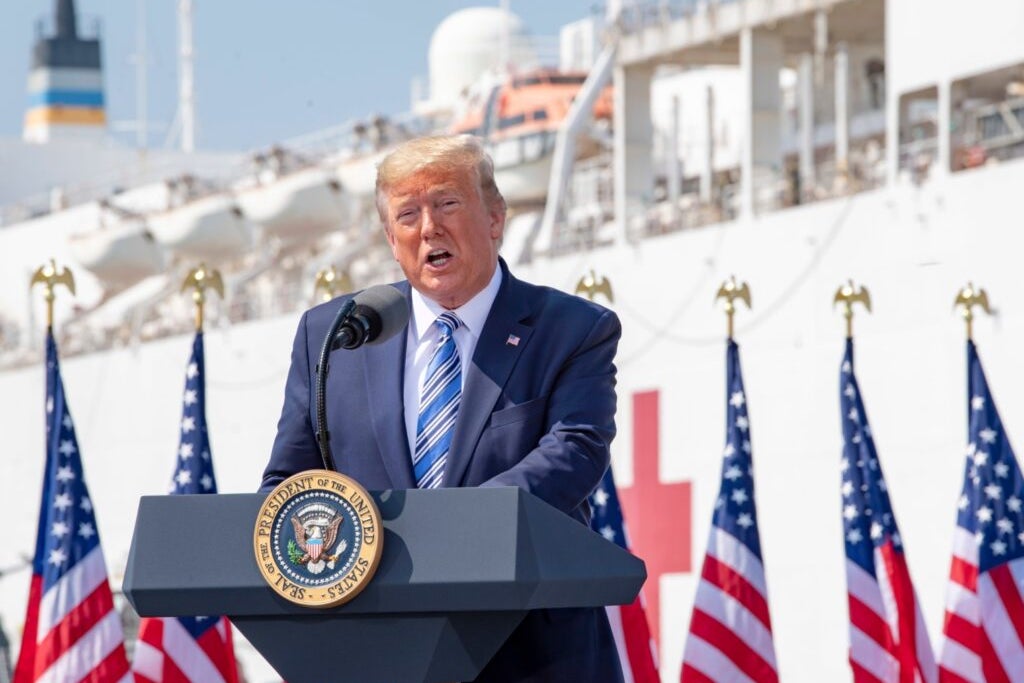
Trump Signals Potential Tariff Cuts on China: A Turning Point for Trade Relations?
In a notable shift, former U.S. President Donald Trump has suggested he may reduce tariffs on Chinese goods if re-elected, signaling a potential thaw in strained trade relations. The announcement, made during a recent campaign event, comes as both nations weigh economic strategies amid ongoing tensions. Analysts speculate this move could ease inflationary pressures but may also spark political backlash.
The Backstory: How We Got Here
Trump initially imposed sweeping tariffs on $370 billion worth of Chinese imports during his presidency, citing unfair trade practices and intellectual property theft. According to the Peterson Institute for International Economics, these tariffs averaged 19% across targeted goods by 2021. While they boosted some domestic industries, the Congressional Budget Office estimated they reduced U.S. GDP by 0.3% annually.
“The original tariffs were a blunt instrument that achieved mixed results,” explains Dr. Linda Chen, senior fellow at the Brookings Institution. “While they pressured China to make some concessions, American businesses and consumers ultimately footed the bill through higher prices.”
Why Trump Might Reverse Course
Several factors appear to be driving this potential policy shift:
- Economic pressures: U.S. inflation remains stubbornly high at 3.4% as of May 2024, with tariffs contributing an estimated 0.5 percentage points
- Manufacturing realities: Many U.S. manufacturers still rely on Chinese components, with 30% reporting supply chain disruptions due to trade barriers
- Political calculus: With the election approaching, reducing consumer prices could appeal to swing voters
However, the proposal has drawn skepticism from some quarters. “This seems less about strategy and more about election-year pragmatism,” contends Republican strategist Mark Wilson. “The base won’t forget his tough-on-China rhetoric overnight.”
Potential Impacts on U.S.-China Trade Dynamics
A tariff reduction could reshape bilateral trade in several ways:
Short-Term Effects
Economists project that halving current tariff rates could:
- Lower U.S. consumer prices by 0.3-0.8% within 12 months
- Boost Chinese exports to the U.S. by $50 billion annually
- Reduce tensions ahead of anticipated trade talks in Q3 2024
Long-Term Considerations
Structural issues remain unresolved, including:
- China’s state subsidies to key industries
- Ongoing technology transfer concerns
- The $382 billion U.S. trade deficit with China in 2023
“Tariffs were always a means, not an end,” notes former U.S. Trade Representative Carla Hills. “Without addressing underlying competitiveness issues, we’re just kicking the can down the road.”
Industry Reactions and Market Responses
Sector responses have been mixed:
Agriculture: Soybean futures rose 2% on the news, as China remains the top export market for U.S. farmers. “This could be a lifeline for struggling producers,” said Iowa Farm Bureau president Brent Johnson.
Manufacturing: The National Association of Manufacturers expressed cautious optimism but emphasized the need for “reciprocal concessions” from China.
Technology: Semiconductor stocks dipped slightly amid concerns about renewed competition from subsidized Chinese firms.
What Comes Next: Scenarios to Watch
Several developments could shape how this plays out:
- China’s response: Will Beijing offer concessions or see this as weakness?
- Congressional action: Some lawmakers may attempt to legislate tariff limits
- Global implications: How will allies and competitors adjust their trade postures?
As the situation evolves, businesses should prepare for multiple outcomes. “Smart companies are stress-testing their supply chains for both increased openness and renewed tensions,” advises global trade consultant Rajiv Mehta.
The Road Ahead for U.S.-China Economic Relations
While reduced tariffs could provide temporary relief, most experts agree sustainable solutions require deeper structural reforms. The Biden administration had maintained most Trump-era tariffs while pursuing targeted technology restrictions – an approach some describe as “small-yard, high-fence.”
Key questions remain:
- Will tariff reductions be across-the-board or sector-specific?
- Can both nations establish enforceable trade rules?
- How will national security concerns about critical industries be addressed?
For now, markets and policymakers alike are watching closely. As the world’s two largest economies recalibrate their relationship, the ripple effects will be felt across global supply chains, inflation rates, and geopolitical alliances.
Stay informed on evolving trade policies by subscribing to our daily economic briefing.
See more CCTV News Daily