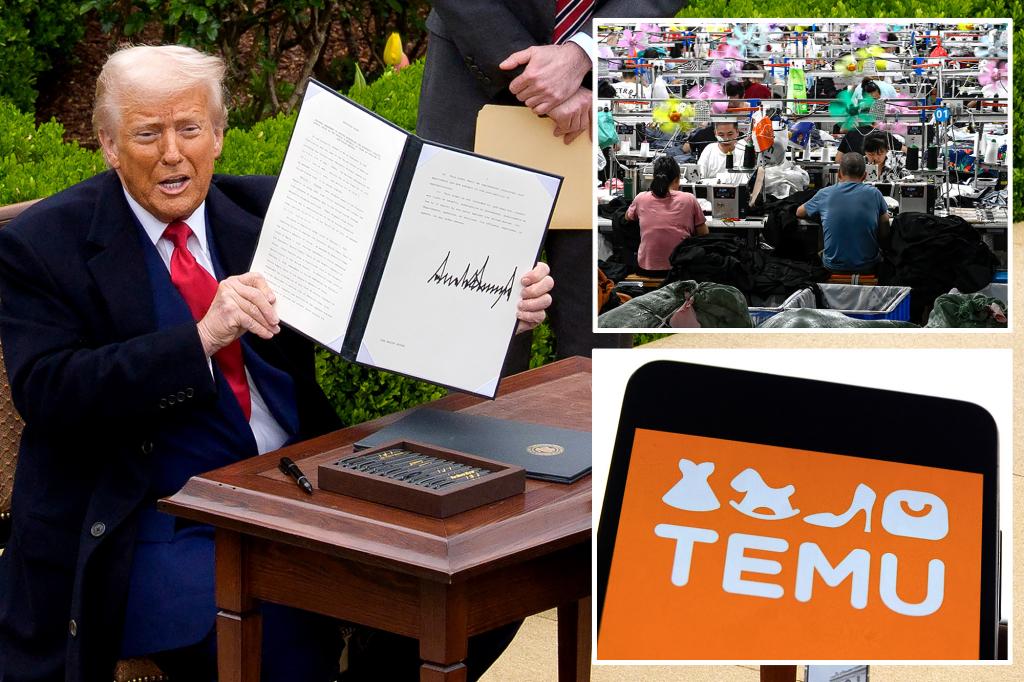
Unpacking Trump’s New Tariffs: How They Impact Chinese Retail Giants Temu and Shein
In a sweeping policy shift, former President Donald Trump announced new tariffs targeting low-cost Chinese imports, directly affecting e-commerce giants Temu and Shein. The decision, revealed this week, aims to bolster U.S. manufacturing but could raise prices for millions of consumers. Analysts warn the move may disrupt global supply chains and intensify trade tensions between the world’s two largest economies.
The Scope of the New Tariffs
The proposed tariffs—ranging from 30% to 60% on select Chinese goods—specifically target apparel, electronics, and household items, core product categories for Temu and Shein. These platforms have gained massive popularity in the U.S. by offering ultra-affordable products shipped directly from Chinese warehouses. The Biden administration had previously maintained tariffs imposed during Trump’s first term, but this new escalation marks a significant hardening of trade policy.
According to U.S. Trade Representative data, Chinese imports under these categories totaled $135 billion in 2023. Shein and Temu accounted for nearly $15 billion of that figure, leveraging their agile supply chains to undercut American retailers. “This is a direct shot at China’s consumer export machine,” said trade economist Dr. Laura Chen. “The administration is betting that higher costs will push buyers toward domestic alternatives.”
Immediate Effects on Temu and Shein
Both companies face stark challenges:
- Price hikes: A 50% tariff on a $10 Shein dress would raise its cost to $15, eroding the brand’s budget appeal.
- Logistics bottlenecks: Temu’s 10-15 day shipping times could lengthen if customs inspections intensify.
- Stock volatility: Shein’s rumored IPO plans may be jeopardized by uncertain trade conditions.
Shein reportedly began diversifying production to Turkey and Brazil last year, but 75% of its inventory still originates in China. Temu, owned by PDD Holdings, relies even more heavily on Chinese manufacturers. “These tariffs could force a fundamental restructuring of their business models,” noted retail analyst Mark Russo. “Neither can absorb this cost without passing it to customers.”
Consumer and Market Reactions
Early responses highlight a divide:
- Budget shoppers: Social media buzz shows frustration over potential price increases, with #TemuTariffs trending on X (formerly Twitter).
- U.S. retailers: Companies like Gap and Amazon may benefit, though experts doubt they can match Chinese pricing even with tariffs.
- Investors: PDD Holdings’ stock dipped 8% following the announcement, reflecting market jitters.
“Consumers love Shein’s $5 tops, but that model depends on tariff-free access,” said consumer strategist Priya Nair. “If prices rise, loyalty may fade fast.” A 2023 Pew Research study found that 62% of Americans view cheap imports positively, suggesting political backlash could follow.
Broader Trade Implications
The tariffs signal a return to Trump’s “America First” agenda and may prompt retaliation. China has already filed a WTO complaint over earlier U.S. duties, and further escalation could disrupt:
- Global apparel supply chains, 40% of which flow through China
- U.S. agricultural exports, historically targeted in trade wars
- Ongoing climate and tech negotiations between the nations
“This isn’t just about T-shirts,” warned former Commerce Secretary Wilbur Ross. “It’s a strategic move to decouple critical industries.” Meanwhile, the EU is monitoring the situation closely, as similar protections could spread globally.
What Comes Next?
Legal challenges and lobbying efforts are expected, but the tariffs could take effect within 90 days. Key developments to watch:
- Supply chain shifts: Will Temu and Shein accelerate moves to Southeast Asia or Mexico?
- Inflation impact: The Fed estimates a 0.3% rise in consumer prices if tariffs are fully implemented.
- Election dynamics: With Trump linking the policy to U.S. job growth, tariffs may become a campaign flashpoint.
For now, bargain hunters are stocking up. “I bought five Shein dresses before prices jump,” admitted college student Hannah Lee. Whether her peers follow suit—or abandon the platforms altogether—will shape the next chapter in global e-commerce.
Stay informed on evolving trade policies by subscribing to our newsletter for real-time updates and expert analysis.
“`
See more CCTV News Daily