“`html
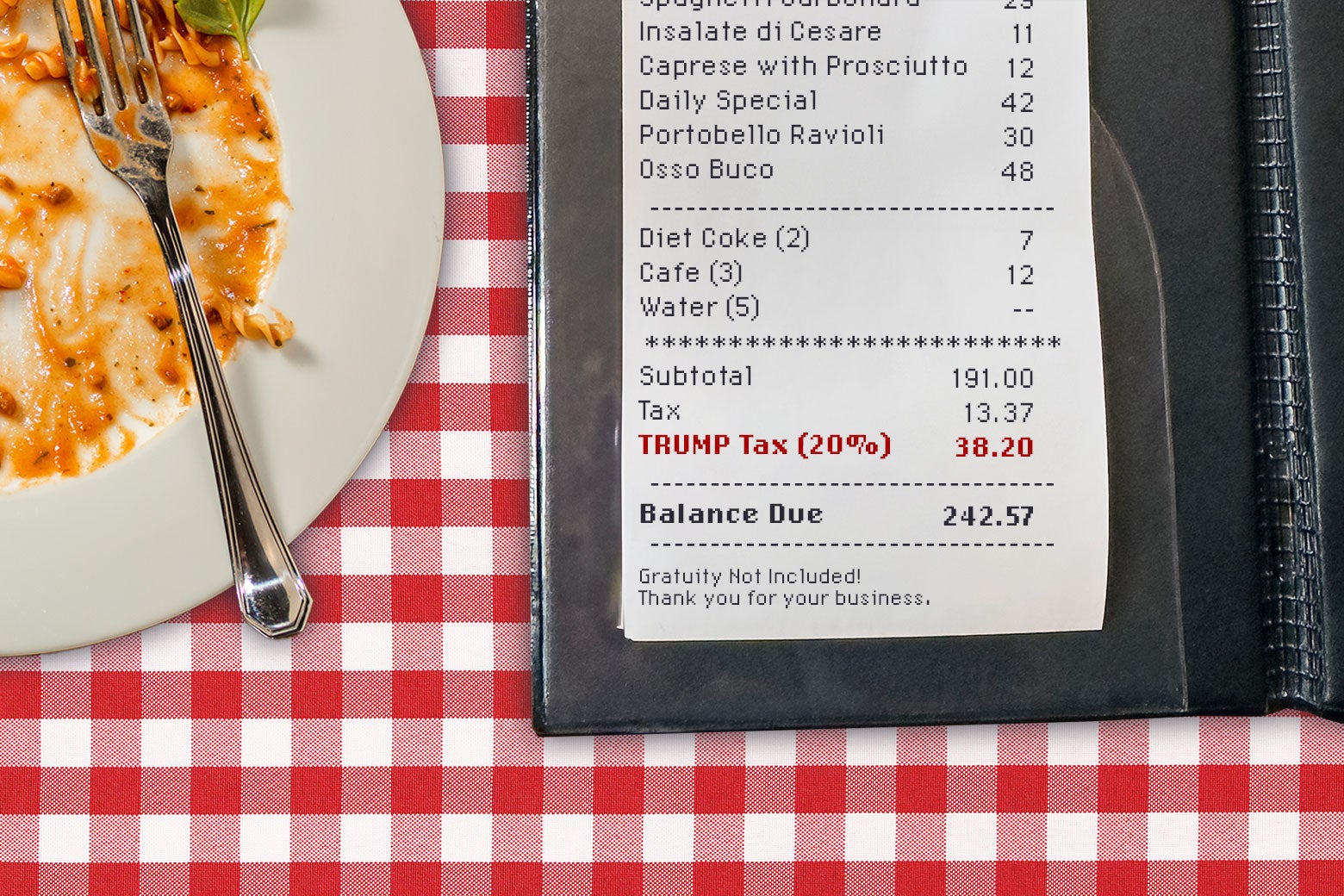
How Trump’s Tariffs Are Straining Wallets Across America
Former President Donald Trump’s tariffs, initially imposed to protect domestic industries, continue to drive up costs for American consumers. Since 2018, these levies on Chinese goods and other imports have inflated prices on everyday items—from electronics to groceries. Economists warn that without policy adjustments, households will face mounting financial pressure. Here’s how these tariffs are impacting budgets and what experts say could ease the burden.
The Ripple Effect of Tariffs on Everyday Expenses
Trump’s tariffs, which targeted over $300 billion worth of Chinese imports, were designed to boost U.S. manufacturing. However, the costs have trickled down to consumers. A 2023 study by the National Bureau of Economic Research found that tariffs raised prices for affected goods by nearly 3%, with households paying an average of $1,200 more annually. Items like washing machines, clothing, and even canned goods saw significant price hikes.
“Tariffs act as a hidden tax,” explains Dr. Laura Chen, an economist at the Brookings Institution. “While they may benefit specific industries, the broader economy—and especially low- and middle-income families—bears the cost.” For example:
- Appliances: Prices rose by 12% after tariffs on steel and aluminum.
- Groceries: Canned foods and snacks increased by 4-6% due to higher packaging costs.
- Electronics: Laptops and smartphones saw modest but noticeable price jumps.
Expert Recommendations to Alleviate the Burden
While some argue tariffs are necessary for long-term economic strategy, others propose targeted relief measures. “A phased reduction of tariffs on consumer essentials could provide immediate breathing room,” suggests Mark Richardson, a trade policy analyst at the Peterson Institute for International Economics. He points to three potential solutions:
- Exemptions for Critical Goods: Removing tariffs on items like baby formula and medical supplies.
- Direct Consumer Rebates: Using tariff revenue to offset higher costs for vulnerable households.
- Negotiated Trade Deals: Revisiting agreements to reduce tariffs without sacrificing leverage.
Diverging Perspectives on Tariff Policy
Proponents of tariffs, including some manufacturing leaders, argue they protect jobs and incentivize domestic production. “The tariffs leveled the playing field for U.S. steelworkers,” says Jim Bolling, a union representative in Ohio. “Without them, we’d be at the mercy of cheaper imports.”
Critics, however, highlight the disproportionate impact on lower-income families. A 2022 Tax Foundation report revealed that tariffs effectively function as a regressive tax, consuming a larger share of income for households earning under $50,000. “Policymakers need to weigh the trade-offs more carefully,” asserts Chen.
What’s Next for Tariffs and Consumer Costs?
The Biden administration has maintained most Trump-era tariffs while reviewing their effectiveness. With inflation still a concern, pressure is mounting to reassess their role. Economists predict that without changes, tariffs could exacerbate financial strain as global supply chain challenges persist.
For now, consumers are left navigating higher prices. Advocacy groups urge shoppers to compare prices, buy in bulk, and support local producers where possible. “Awareness and adaptation are key,” says Richardson. “But lasting relief will require policy shifts.”
Stay informed about trade policy updates by subscribing to our newsletter for expert analysis and actionable insights.
“`
See more CCTV News Daily