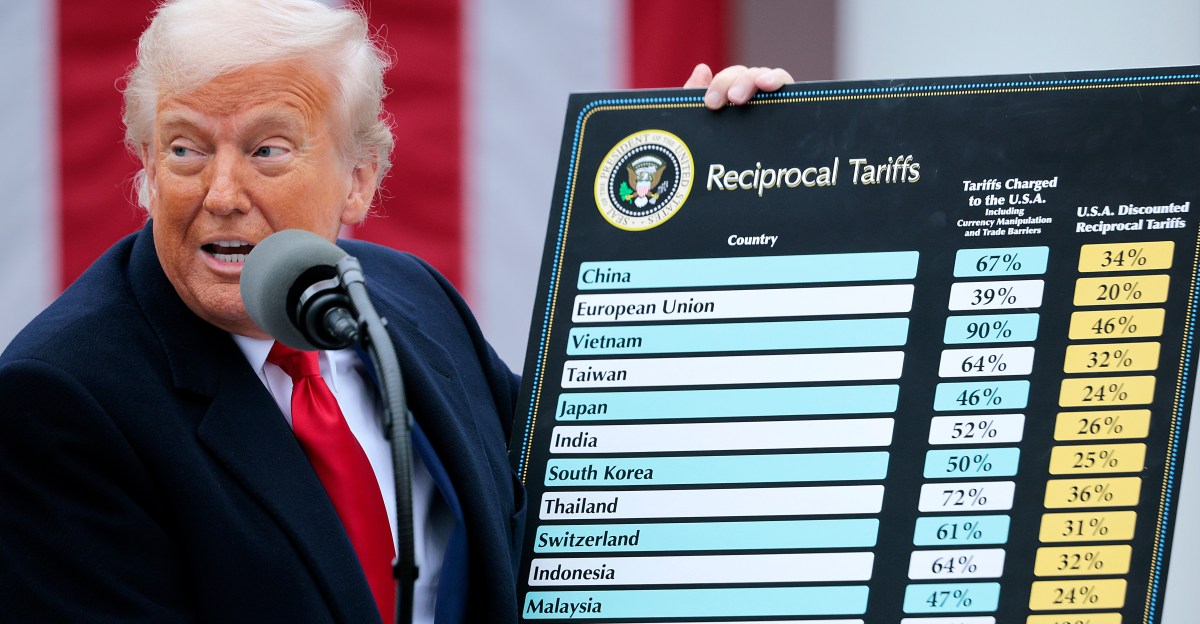
Unraveling the Impact: Trump’s Tariff Decisions and Their Consequences
Former President Donald Trump’s recent tariff announcements have sent shockwaves through global markets, reigniting debates about trade protectionism. In May 2024, Trump proposed sweeping tariffs on Chinese imports and other trading partners, aiming to bolster domestic industries. Economists warn these measures could trigger inflation, disrupt supply chains, and provoke retaliatory actions. Here’s how these policies are reshaping trade dynamics.
The Immediate Fallout for U.S. Industries
Within weeks of the announcement, sectors like automotive, electronics, and agriculture reported price hikes and supply bottlenecks. The proposed 60% tariff on Chinese goods—a steep increase from previous rates—threatens to raise production costs for manufacturers reliant on imported components. The American Automotive Policy Council estimates a $5,000 average price increase per vehicle if the tariffs take effect.
“This isn’t just a tax on China; it’s a tax on American consumers,” said Dr. Laura Chen, a trade economist at the Brookings Institution. “Supply chains are deeply interconnected, and companies will pass these costs down the line.” Meanwhile, agricultural exporters brace for another blow. China, which imported $36 billion in U.S. farm goods in 2023, has already hinted at targeting soybeans and pork in retaliation.
Global Trade Tensions Escalate
Trump’s tariffs have drawn sharp criticism from allies and adversaries alike. The European Union is considering countermeasures, while emerging markets like Vietnam and Mexico fear becoming collateral damage. In 2018, similar tariffs sparked a trade war that cost the U.S. economy an estimated $316 billion, according to the Tax Foundation.
- China’s response: Beijing may restrict rare-earth mineral exports, crucial for U.S. tech and defense industries.
- EU preparations: Brussels is revisiting tariffs on American whiskey and motorcycles.
- Supply chain shifts: Companies like Apple are accelerating plans to move production out of China—but not necessarily to the U.S.
Mixed Reactions from Domestic Stakeholders
While some U.S. manufacturers applaud the tariffs as a lifeline, others warn of unintended consequences. The Steel Manufacturers Association credits tariffs with reviving domestic steel production, which grew by 12% post-2018. Conversely, small businesses argue they lack the resources to absorb higher costs. A National Retail Federation survey found 78% of retailers expect to cut jobs or raise prices.
“Tariffs are a blunt instrument,” argued Mark Richardson, CEO of a Midwestern appliance manufacturer. “They might protect a few factories, but they’ll shrink the overall economy.” Proponents, however, point to potential job growth in sectors like solar panel manufacturing, where tariffs could incentivize local production.
Long-Term Economic Ramifications
Beyond immediate disruptions, economists highlight structural risks. The Peterson Institute for International Economics projects a 0.5% reduction in U.S. GDP growth if tariffs escalate further. Inflation, already a concern, could spike by 2-3 percentage points, eroding consumer purchasing power.
Emerging markets face volatility, too. Countries like Mexico and India, seen as alternative manufacturing hubs, may benefit short-term but could face pressure if global trade contracts. “The world is watching,” said IMF Director Kristalina Georgieva. “A fragmented trade system harms everyone, especially developing nations.”
What’s Next for Trade Policy?
The Biden administration had paused Trump-era tariffs for review, but the 2024 election could reignite the debate. Analysts suggest bipartisan support exists for targeted measures—like tech-sector protections—but broad tariffs risk bipartisan opposition. Meanwhile, businesses are hedging bets:
- Stockpiling critical imports before tariffs take effect
- Diversifying suppliers across Southeast Asia and Latin America
- Lobbying for exemptions in key industries
As the 2024 election approaches, voters will weigh the trade-offs between protectionism and global cooperation. For now, uncertainty looms over boardrooms and farms alike. To stay updated on evolving trade policies, subscribe to our newsletter for expert analysis and breaking news.
See more CCTV News Daily