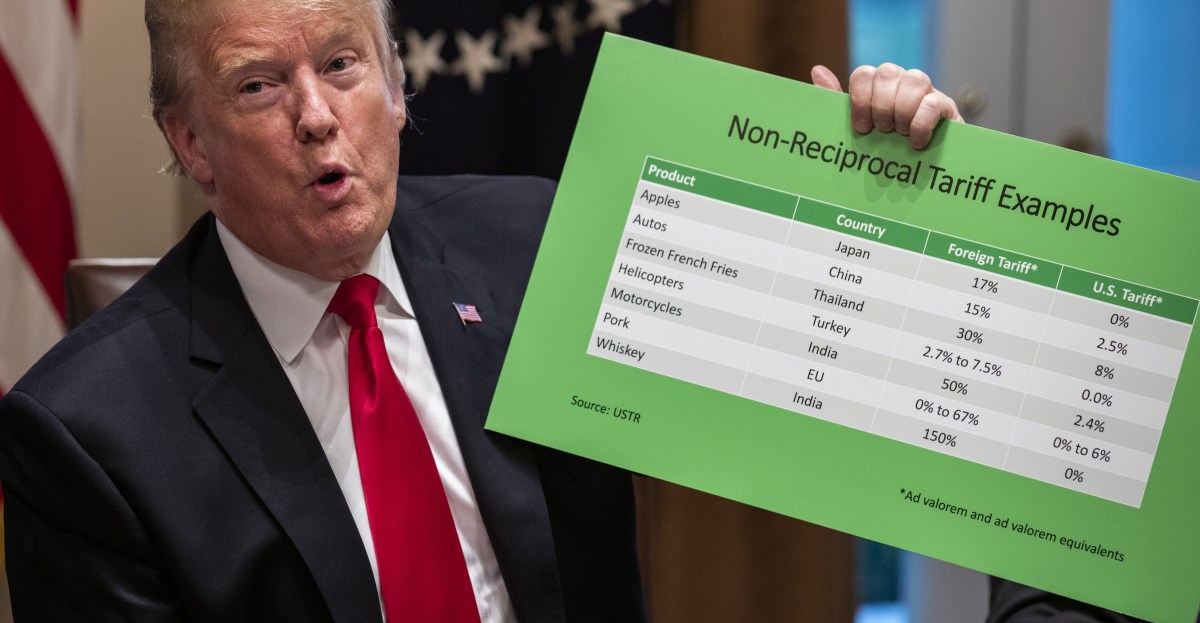
The Futility of Trump’s Tariffs: A Journey into Economic Time Travel
Former President Donald Trump’s proposed tariffs on imported goods have reignited debates about protectionism, economic history, and their potential consequences. Announced in early 2024 as part of his campaign platform, these measures aim to revive domestic industries but risk mirroring failed policies of the past. Economists warn that such tariffs could trigger trade wars, raise consumer prices, and strain global supply chains—echoing the turbulent 1930s. Are these policies a viable strategy or a misguided attempt to turn back the clock?
Historical Parallels: The Ghost of Smoot-Hawley
Trump’s tariff proposal bears an uncanny resemblance to the Smoot-Hawley Tariff Act of 1930, which exacerbated the Great Depression by stifling international trade. Then, as now, the rationale was to protect American jobs. However, the act backfired spectacularly:
- Global trade plummeted by 66% between 1929 and 1934
- U.S. exports fell by 61% during the same period
- Unemployment soared to 25%
“History doesn’t repeat itself, but it often rhymes,” says Dr. Evelyn Carter, an economic historian at Columbia University. “The Smoot-Hawley tariffs were a well-intentioned disaster. The same protectionist instincts today could undermine the very industries they aim to protect.”
The Modern Trade Landscape: A Different Ballgame?
Proponents argue that today’s globalized economy demands aggressive measures to counter unfair competition, particularly from China. Trump’s 2018-2019 tariffs on steel and aluminum temporarily boosted some sectors, but studies show mixed results:
- The U.S. steel industry added 3,200 jobs but at a cost of $900,000 per job
- Downstream industries lost 75,000 positions due to higher material costs
- Consumers paid $1.4 billion more for washing machines alone
Jason Miller, a former Trump economic advisor, defends the strategy: “Targeted tariffs force trading partners to the table. The Phase One deal with China proved they work when applied strategically.” However, data from the Peterson Institute for International Economics suggests China fell $200 billion short of its purchase commitments under that agreement.
Global Repercussions: The Domino Effect
New tariffs would ripple through interconnected supply chains. The European Union has already drafted retaliatory measures targeting $300 billion in U.S. goods, from bourbon to motorcycles. Meanwhile, developing nations reliant on exports fear collateral damage.
“This isn’t 1930,” notes World Trade Organization director Ngozi Okonjo-Iweala. “Today’s supply chains mean a 10% tariff on Chinese components might raise the cost of an American-made car by 3%. Everyone loses.”
Economic Time Travel: Can Protectionism Ever Work?
Some economists argue selective protectionism can nurture emerging industries. South Korea’s auto sector and Brazil’s Embraer thrived behind temporary trade barriers. However, these cases involved:
- Clear sunset clauses
- Massive domestic investment
- Export-oriented end goals
Trump’s across-the-board approach lacks such nuance. A 2023 Brookings study found broad tariffs reduce GDP growth by 0.5% annually—equivalent to wiping out Iowa’s entire economic output.
The Road Ahead: Between a Rock and a Hard Place
As the 2024 election looms, voters face stark choices. While tariffs poll well in Rust Belt swing states, their economic fallout may take years to manifest. Meanwhile, trading partners are accelerating alternative supply chains that could permanently sideline U.S. exporters.
The ultimate irony? Automation means even successful tariff-protected industries may add few jobs. A single new steel plant today employs 90% fewer workers than in 1980.
Conclusion: Learning From History’s Hard Lessons
Trump’s tariff proposal represents economic time travel to an era when nations could go it alone. In today’s interconnected world, such measures risk isolating America economically without delivering promised benefits. As voters and policymakers weigh these policies, they might heed the words of Treasury Secretary Janet Yellen: “There are no winners in trade wars—just different degrees of losers.”
For those seeking balanced analysis on trade policy impacts, subscribe to our newsletter for weekly insights from top economists and industry leaders.
See more CCTV News Daily