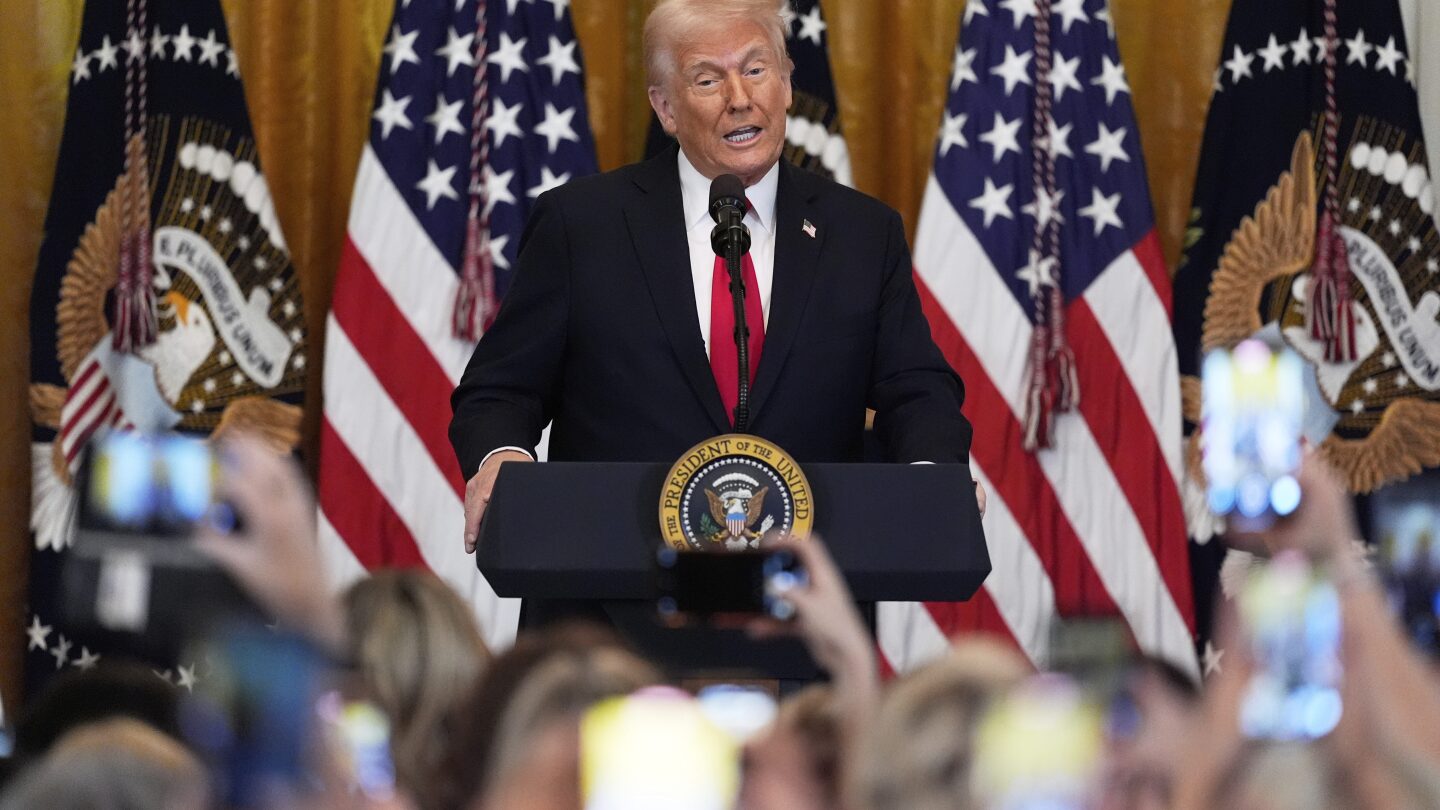
Trump’s Controversial Tariff Strategy: A Gamble That Could Redefine the Economy
As former President Donald Trump prepares to unveil his ‘reciprocal’ tariffs, the economic landscape faces a significant upheaval. Experts warn that this bold move could reshape trade relations and market stability on a global scale. The implications of Trump’s controversial tariff strategy extend beyond mere numbers; they signal a shift in how nations interact economically, potentially redefining the global economy as we know it.
The Rationale Behind Trump’s Tariff Strategy
Trump’s administration has long championed the idea of “America First,” a concept that emphasizes domestic manufacturing and employment. The upcoming reciprocal tariffs are seen as a tool to level the playing field, where the U.S. aims to retaliate against countries with trade practices viewed as unfair. This strategy reflects a belief that tariffs can protect American jobs and industries threatened by foreign competition.
Reciprocal tariffs mean that if a country imposes tariffs on American goods, the U.S. will respond in kind. This tit-for-tat approach is designed to discourage unfair trade practices, but it also raises the stakes for global trade relationships. Critics argue that such a strategy might lead to trade wars, which historically have had dire consequences for economies worldwide.
Potential Economic Impacts
The potential economic impacts of Trump’s controversial tariff strategy are vast and varied. Here are some key areas to consider:
- Increased Prices for Consumers: Tariffs often lead to higher prices for imported goods. This can affect consumers directly, as they may face increased costs for everyday items ranging from electronics to clothing.
- Supply Chain Disruptions: Many industries rely on global supply chains. Tariffs can disrupt these networks, leading to delays and increased costs for manufacturers who depend on imported materials.
- Retaliatory Tariffs: Other countries may retaliate by imposing their own tariffs on American goods. This can hurt American exporters and lead to a decline in sales abroad, affecting jobs and economic growth at home.
Global Trade Relations: A Tightrope Walk
One of the most significant risks associated with Trump’s tariff strategy is the potential for strained international relations. Trade agreements and partnerships are built on trust and cooperation, and tariffs can undermine these foundations. The risk of escalating tensions with major trading partners such as China, the European Union, and Canada is palpable.
Moreover, the World Trade Organization (WTO) serves as a mediator for trade disputes, and unilateral tariff actions could lead to challenges within this framework. Countries affected by the tariffs might seek recourse through the WTO, which could lead to lengthy disputes and further complications in trade relations.
The Domestic Response to Tariffs
The domestic response to Trump’s controversial tariff strategy has been mixed. While some sectors, particularly those related to steel and aluminum, have expressed support for protective measures, others have voiced concerns about the adverse effects on consumers and businesses reliant on imports.
For instance, the agricultural sector has been particularly vocal. Farmers who export crops such as soybeans have faced significant losses due to retaliatory tariffs from countries like China. This highlights a critical aspect of Trump’s tariff strategy: the uneven impact on different sectors of the economy.
Long-Term Economic Consequences
The long-term consequences of Trump’s tariff strategy remain uncertain. While the immediate goal may be to protect American jobs and industries, the broader effects of such policies could reshape the U.S. economy in unforeseen ways. Here are some potential long-term impacts:
- Shift Towards Protectionism: If reciprocal tariffs become a norm, there may be a global shift towards protectionist policies, which could hinder international trade growth.
- Innovation Stifling: Protectionist measures can discourage competition, which is vital for innovation. Without the pressure to compete globally, domestic industries may become complacent.
- Market Volatility: Uncertainty surrounding trade policies can lead to market volatility, affecting investments and economic stability.
Lessons from the Past: Historical Perspectives
History offers valuable lessons regarding tariff strategies. The Smoot-Hawley Tariff Act of 1930 is often cited as a cautionary tale. Implemented during the Great Depression, the act raised tariffs on numerous imports, leading to retaliatory tariffs from other countries, which exacerbated the economic downturn. This historical precedent serves as a reminder of the potential pitfalls of aggressive tariff policies.
Conclusion: A Balancing Act Ahead
Trump’s controversial tariff strategy is undoubtedly a gamble that could redefine the economy. As the former president prepares to roll out his reciprocal tariffs, the implications for trade relations and market stability are profound. While the immediate aim is to protect American jobs and industries, the potential for long-term repercussions cannot be ignored.
Ultimately, the success of this strategy will depend on the ability of policymakers to navigate the complex web of international trade relations while balancing domestic needs. As the global economy becomes increasingly interconnected, the stakes are higher than ever. It will be crucial for leaders to consider the broader implications of their decisions, ensuring that any measures taken foster a stable and prosperous economic environment for all.
As we await the unveiling of Trump’s tariff strategy, the economic community watches closely, aware that the outcomes of this gamble could resonate far beyond American borders, impacting economies worldwide for years to come.
See more CCTV News Daily