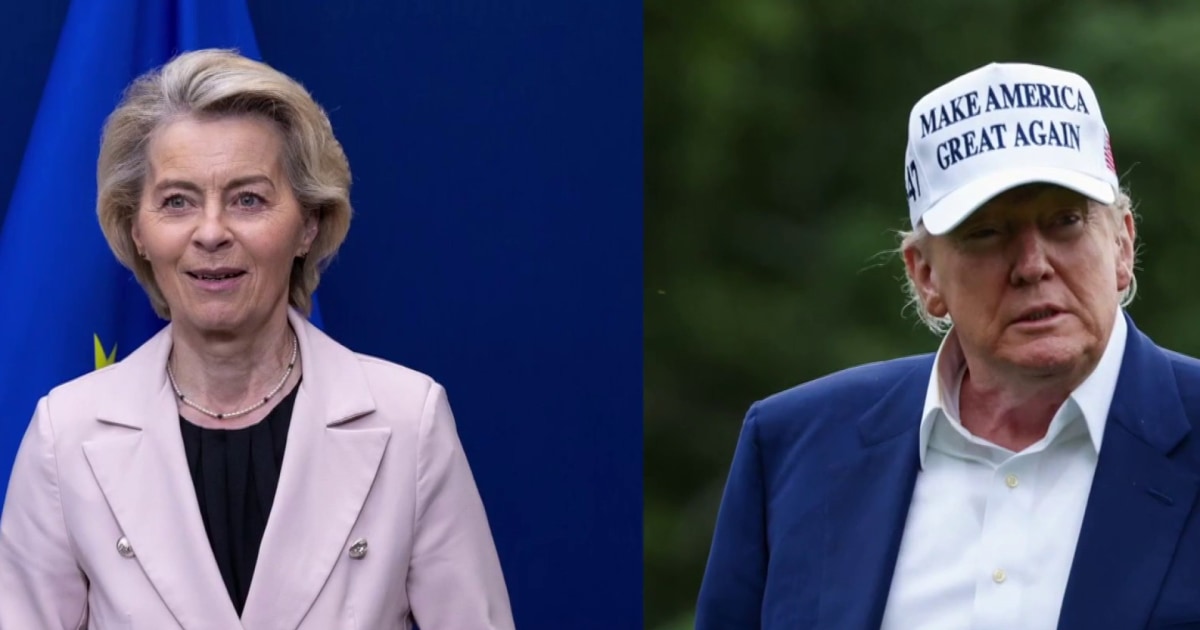
Trump Postpones Tariffs: A Shift in U.S.-E.U. Trade Relations
In a surprising turn of events, President Donald Trump has announced the postponement of a significant 50 percent tariff on imports from the European Union, now set to take effect on July 9. This decision has raised eyebrows among economists and policymakers alike, highlighting the complexities and uncertainties surrounding U.S.-E.U. trade dynamics.
The Context Behind the Decision
The announcement comes amid ongoing tensions between the U.S. and E.U. over trade imbalances and regulatory standards. Initially proposed as a response to perceived unfair trade practices, the tariffs were intended to pressure European nations into aligning with U.S. trade expectations. However, the delay suggests a recalibration of strategy by the Trump administration.
Political Pressures and Economic Implications
As the U.S. gears up for the 2024 presidential elections, political pressures may have influenced this decision. Key stakeholders, including American businesses that rely on E.U. imports, have voiced concerns about the potential economic fallout from such high tariffs. “The tariffs could disrupt supply chains and lead to increased prices for consumers,” said John Smith, an economist at the Brookings Institution.
Impact on U.S.-E.U. Relations
The postponement of these tariffs may indicate a willingness to engage in further dialogue with E.U. leaders. In recent months, trade talks have been characterized by a mix of hostility and negotiation, with both sides seeking to navigate a path forward. “This could be a strategic move to foster better relations and avoid further escalation of trade disputes,” noted Anna Grayson, a trade analyst at the Atlantic Council.
Long-term Effects on Trade Dynamics
While the immediate impact of the tariff delay is a sigh of relief for many in the business community, the long-term effects on U.S.-E.U. trade dynamics remain to be seen. Analysts suggest several possible scenarios:
- Increased Cooperation: The delay could pave the way for more constructive negotiations, leading to a potential trade agreement that benefits both parties.
- Continued Uncertainty: If the tariffs are ultimately enacted after the postponement, it could lead to heightened tensions and retaliatory measures from the E.U.
- Market Volatility: Financial markets may react to the uncertainty surrounding future tariffs, affecting stock prices and investment strategies.
Global Economic Context
The decision to delay tariffs must also be viewed in the context of the broader global economy. The ongoing effects of the COVID-19 pandemic and supply chain disruptions have created an environment where economic recovery is fragile. The World Trade Organization (WTO) has indicated that global trade growth is expected to slow down, making the need for stable trade relations even more critical.
Conclusion: A Temporary Breather or a New Beginning?
As the deadline for the postponed tariffs approaches, the question remains: is this merely a temporary breather in U.S.-E.U. relations, or is it the beginning of a new chapter? The answer will depend on the actions taken by both sides in the coming weeks. With significant implications for both economies at stake, all eyes will be on Washington and Brussels as they navigate this complex landscape.
Call to Action
Stay informed about the evolving landscape of U.S.-E.U. trade relations. Subscribe to our newsletter for the latest updates and expert analysis on global trade dynamics.
See more CCTV News Daily