EU’s Bold Response: How Trump Tariffs Could Ignite Trade Wars
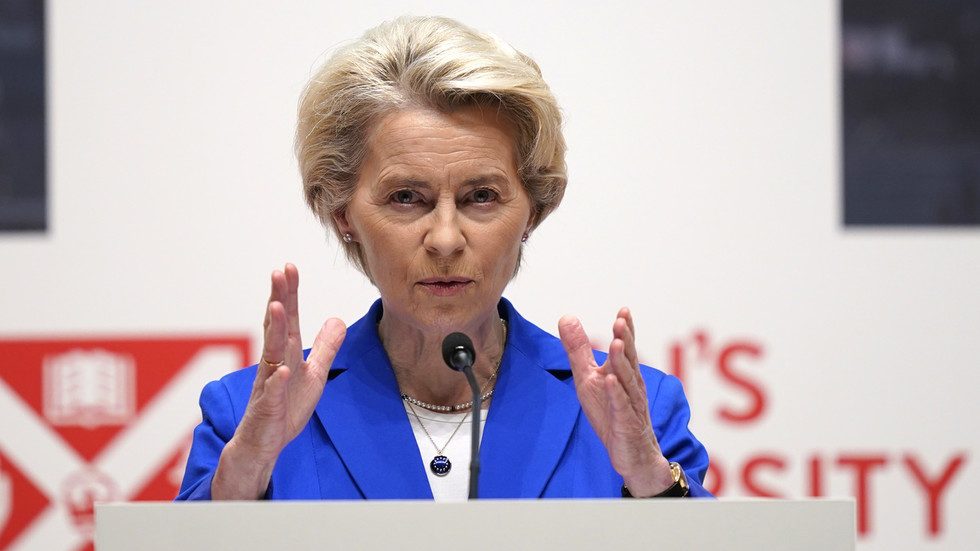
As international trade dynamics fluctuate, the specter of trade wars looms large over the global economy. Recently, President Donald Trump has reignited tensions with his controversial tariffs, prompting a robust response from the European Union. EU Commission President Ursula von der Leyen has vowed to take decisive action against these tariffs, signaling a potential escalation in trade hostilities. Understanding the implications of these developments is crucial for businesses, policymakers, and consumers alike.
The Background of Trump Tariffs
Trump’s tariffs have a storied history, rooted in the administration’s desire to protect American industries and jobs. Initially, these tariffs targeted steel and aluminum imports, with the rationale of safeguarding national security. However, the scope expanded to include a wide array of goods, particularly from China and, subsequently, from Europe.
The tariffs imposed significant duties on various products, ranging from electronics to agricultural goods. This strategy aimed to balance trade deficits and revive domestic manufacturing, but it also sparked fierce retaliation from affected countries. The question now is how the EU will respond to the latest developments.
EU’s Stance on Trump’s Tariffs
In light of Trump’s renewed tariffs, Ursula von der Leyen has made it clear that the EU will not back down. Her statement reflects a commitment to defending European interests in the face of unilateral trade measures that threaten to destabilize the global market. The EU’s strategy may involve several avenues:
- Retaliatory Tariffs: The EU has previously implemented counter-tariffs against U.S. products, targeting iconic goods such as bourbon, motorcycles, and certain agricultural products. A similar strategy could be employed again, potentially escalating tensions further.
- Legal Action: The EU has the option to challenge U.S. tariffs at the World Trade Organization (WTO), arguing that these measures violate international trade agreements. This legal route could provide a formal avenue to address grievances.
- Strengthening Alliances: The EU may seek to bolster alliances with other affected nations, creating a united front against U.S. tariffs. By coordinating responses with countries like Canada and Mexico, the EU could amplify its negotiating power.
Potential Impact on Global Trade Dynamics
The potential for trade wars between the U.S. and EU raises concerns about the broader implications for international trade. Here are several key areas where the impact may be felt:
1. Supply Chains
Global supply chains, which have become deeply interconnected, could face significant disruptions. Companies that rely on transatlantic trade may need to reevaluate their sourcing strategies, potentially increasing costs and complexity.
2. Consumer Prices
Tariffs often result in higher prices for consumers as companies pass on costs. This could lead to inflationary pressures in both the U.S. and EU economies. Consumers may find themselves paying more for everyday goods, from electronics to food products.
3. Economic Growth
Trade wars can stifle economic growth. Increased uncertainty can lead businesses to delay investments, dampening expansion plans. Both the U.S. and EU could see slower growth rates as a result of heightened trade tensions.
4. Innovation and Competition
In a trade war scenario, innovation may suffer. Companies might focus more on navigating tariffs and less on developing new products. This could hinder competition and slow technological advancements, ultimately affecting consumers.
Exploring Diplomatic Solutions
While the prospects of a trade war are daunting, there may be room for diplomatic solutions. The EU and the U.S. have a long history of collaboration, and both sides recognize the importance of maintaining a stable economic relationship. Possible avenues for resolution include:
- Negotiated Agreements: Direct negotiations could lead to compromises that address the concerns of both parties, potentially paving the way for reduced tariffs.
- Joint Committees: Establishing committees to address trade issues in a collaborative manner could help identify common ground and mitigate tensions.
- Focus on Shared Interests: Emphasizing areas of mutual benefit, such as climate change and technological innovation, could foster cooperation and reduce friction.
Conclusion: A Cautious Path Forward
The EU’s bold response to Trump’s tariffs signifies a critical moment in international trade dynamics. As tensions rise, the potential for trade wars could reshape the global economic landscape. However, with a commitment to diplomacy and collaboration, both the EU and the U.S. have the opportunity to navigate these challenges and work towards a more stable trading environment.
Ultimately, the choices made in the coming weeks and months will have far-reaching implications for consumers, businesses, and policymakers alike. The hope is that through dialogue and cooperation, the specter of trade wars can be averted, allowing the global economy to thrive amidst uncertainty.
As we move forward, it’s essential for stakeholders on both sides of the ocean to remain vigilant and proactive. The path to resolution is fraught with challenges, but it is also ripe with opportunities for innovation, collaboration, and mutual benefit.
See more CCTV News Daily