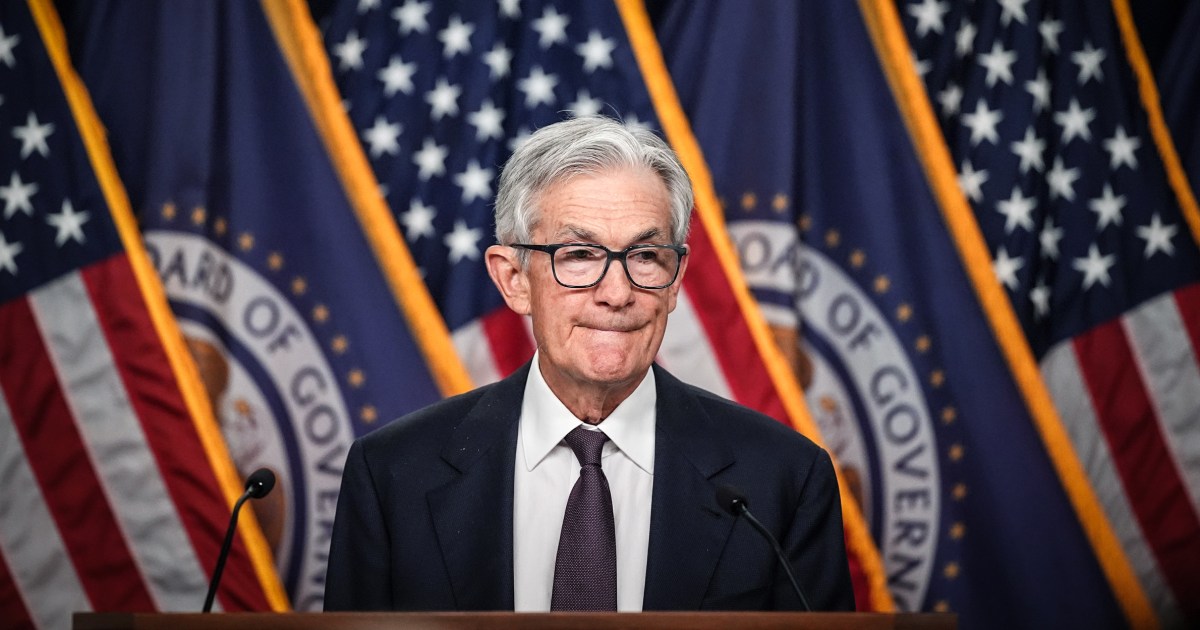
The Trump administration’s revival of aggressive tariffs on Chinese imports has thrust the Federal Reserve into a delicate balancing act, forcing policymakers to reconcile trade-driven inflation with slowing economic growth. As the Fed weighs interest rate adjustments amid mounting pressures, experts warn that conflicting fiscal and monetary policies could destabilize the U.S. economy. The showdown highlights a critical test for central bankers navigating uncharted political terrain.
The Tariff Tightrope: Inflation vs. Growth
Since 2018, U.S. tariffs on $350 billion worth of Chinese goods have reshaped trade dynamics, with recent escalations adding levies up to 25% on electric vehicles, steel, and semiconductors. While designed to protect domestic industries, these measures have inadvertently complicated the Fed’s inflation fight. Consumer prices rose 3.4% year-over-year in April 2024—well above the 2% target—with analysts attributing 0.5-0.8% of that increase directly to tariff costs.
“Tariffs act like a regressive tax,” explains Dr. Lydia Chen, senior economist at the Brookings Institution. “They boost prices for manufacturers and consumers while giving the Fed fewer tools to respond. It’s a supply-side shock that monetary policy isn’t equipped to solve.”
Key impacts include:
- Higher production costs for U.S. factories reliant on Chinese components
- 15-20% price hikes on consumer electronics and construction materials
- Reduced GDP growth projections by 0.3% for 2024 (IMF estimates)
The Fed’s Dilemma: Tighten or Pivot?
Federal Reserve Chair Jerome Powell now faces competing pressures. Traditional economic models suggest raising rates to curb inflation, but doing so risks exacerbating trade-related slowdowns. The Fed’s preferred inflation gauge—core PCE—has remained stubbornly elevated at 2.8%, while business investment growth dropped to 1.9% in Q1 2024, its lowest since 2020.
Market watchers detect growing divisions within the Fed. “Some regional bank presidents argue for holding rates steady to avoid choking growth,” notes financial strategist Mark Reynolds. “But the core leadership recognizes that premature easing could entrench inflationary expectations.”
Recent Fed minutes reveal active debate over:
- Extending the pause on rate changes beyond September
- Adjusting quantitative tightening measures
- Developing new frameworks for trade-disrupted economies
Global Ripples and Domestic Fallout
The tariff wars have triggered chain reactions worldwide. China’s retaliatory restrictions on U.S. agricultural exports cost farmers $12 billion in lost revenue last year, while the EU’s proposed carbon border taxes threaten to compound trade frictions. Meanwhile, the strong dollar—bolstered by high U.S. interest rates—makes American exports less competitive abroad.
Sector-specific consequences include:
- Auto manufacturers delaying EV production due to battery material costs
- Small businesses absorbing 62% of tariff impacts (National Retail Federation data)
- Increased smuggling of tariffed goods through Southeast Asian hubs
Policy Pathways Forward
Economists propose three potential resolutions to the impasse:
- Coordinated fiscal-monetary action: Treasury could offset tariffs with targeted subsidies, allowing the Fed to focus on inflation
- Phased tariff rollbacks: Gradual reductions paired with domestic industry support
- New inflation targeting: Accepting temporarily higher inflation during trade transitions
“The worst outcome would be policy paralysis,” warns former IMF chief economist Olivier Blanchard. “When trade wars meet interest rate wars, everyone loses.”
The Road Ahead: Election Year Economics
With the 2024 election looming, both political and economic stakes are intensifying. Analysts suggest the Fed may delay major policy shifts until November, but escalating trade tensions could force their hand. The Congressional Budget Office projects that sustained tariffs could:
- Reduce real household income by $1,200 annually by 2026
- Add 0.6% to unemployment rates if combined with rate hikes
As businesses and investors brace for volatility, the coming months will test whether America’s economic institutions can navigate this unprecedented convergence of protectionism and monetary policy. For deeper analysis on Fed decision-making, subscribe to our Central Banking Watch newsletter for exclusive reports.
See more CCTV News Daily