The Unintended Consequences of Trump’s Tariffs: Abandoned Freight and Business Struggles
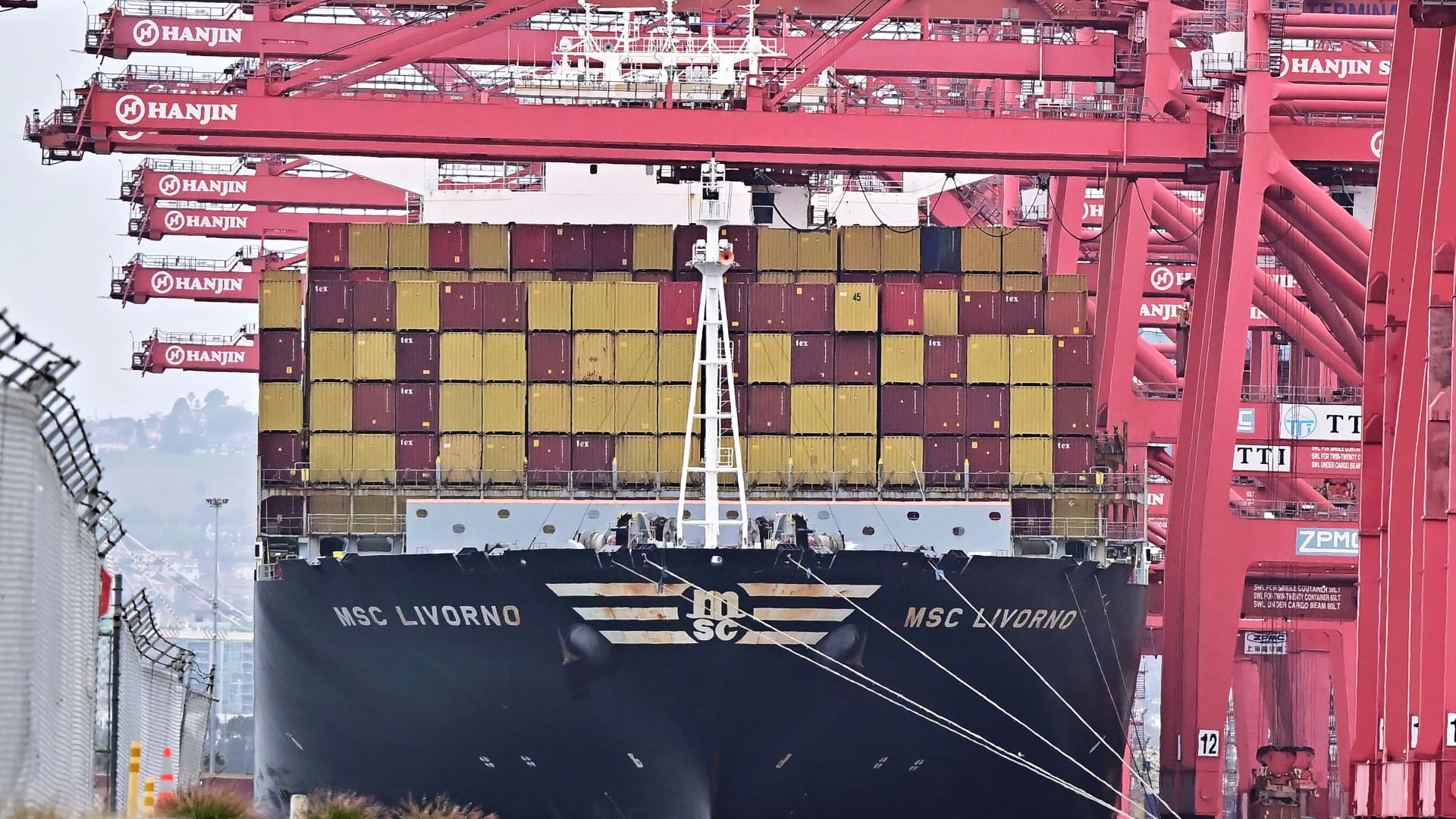
Thousands of shipping containers sit abandoned at U.S. ports as businesses, crushed by the financial weight of Trump-era tariffs, refuse to claim their goods. Implemented between 2018 and 2019, these tariffs—ranging from 15% to 25% on $370 billion worth of Chinese imports—have triggered a supply chain crisis, leaving companies scrambling to absorb costs or abandon shipments altogether. The ripple effects threaten small businesses, disrupt logistics networks, and reveal the long-term economic fallout of trade wars.
Mounting Costs and Abandoned Freight
At the Port of Los Angeles, the nation’s busiest hub, unclaimed cargo has surged by 25% since 2022, according to customs data. Smaller ports in Savannah and Houston report similar backlogs. “We’re seeing a domino effect,” says logistics expert Mara Chen of the Brookings Institution. “Businesses calculate that paying storage fees and tariffs exceeds the value of the goods, so they walk away. The ports become graveyards for freight.”
Key factors driving the crisis include:
- Tariff burdens: A 25% levy on electronics, machinery, and textiles forces importers to either raise consumer prices or swallow losses.
- Storage fees: Demurrage charges—penalties for delayed pickups—can exceed $100 per container daily, compounding costs.
- Cash flow shortages: Small and mid-sized businesses, lacking financial buffers, face insolvency.
Businesses Caught in the Crossfire
Ohio-based auto parts supplier TekMotive filed for bankruptcy last month after tariffs erased its profit margins. “We paid $2 million in tariffs over two years,” said CEO David Rios. “When our Chinese partners raised prices to offset their own tariffs, we had nowhere to turn.” Meanwhile, retailers like HomeGoods report shrinking inventories as suppliers halt shipments to avoid fees.
While large corporations hedge risks with diversified supply chains, smaller firms bear the brunt. A 2023 National Retail Federation survey found that 68% of small importers reduced orders due to tariffs, and 12% shut down entirely.
The Supply Chain Domino Effect
Abandoned freight clogs ports, delaying shipments for other industries. “A single unclaimed container can disrupt an entire terminal’s workflow,” explains Port of Savannah operations director Luis Mendez. “Truckers wait days for slots, perishable goods spoil, and manufacturers face production delays.” The resulting bottlenecks have reignited inflation fears, with transport costs up 18% year-over-year.
Divergent Views on Tariff Efficacy
Proponents argue tariffs protect domestic industries. “Steel production jobs grew by 3% under Trump’s policies,” notes economist Paul Reeves of the Heritage Foundation. But critics highlight broader damage: The Congressional Budget Office estimates tariffs cost U.S. households $1,277 annually in higher prices and reduced economic growth.
Some companies relocated production to Vietnam or Mexico, but reshoring efforts faltered. “Labor and material costs here are prohibitive,” admits textile importer Linda Ho. “Tariffs didn’t bring jobs back—they just killed margins.”
What’s Next for Affected Businesses?
With tariffs still in place, businesses explore workarounds:
- Legal loopholes: Some exploit “de minimis” rules, splitting shipments to avoid fees.
- Direct-to-consumer shifts: Importers bypass retailers, selling via e-commerce to preserve profits.
- Lobbying efforts: Trade groups push for exemptions or phased reductions.
As the 2024 election looms, tariff policies remain a flashpoint. Economists warn that without reform, supply chain instability could worsen. For struggling businesses, the message is clear: adapt or perish. To stay updated on trade policy impacts, subscribe to our industry newsletter for weekly analysis.
See more CCTV News Daily