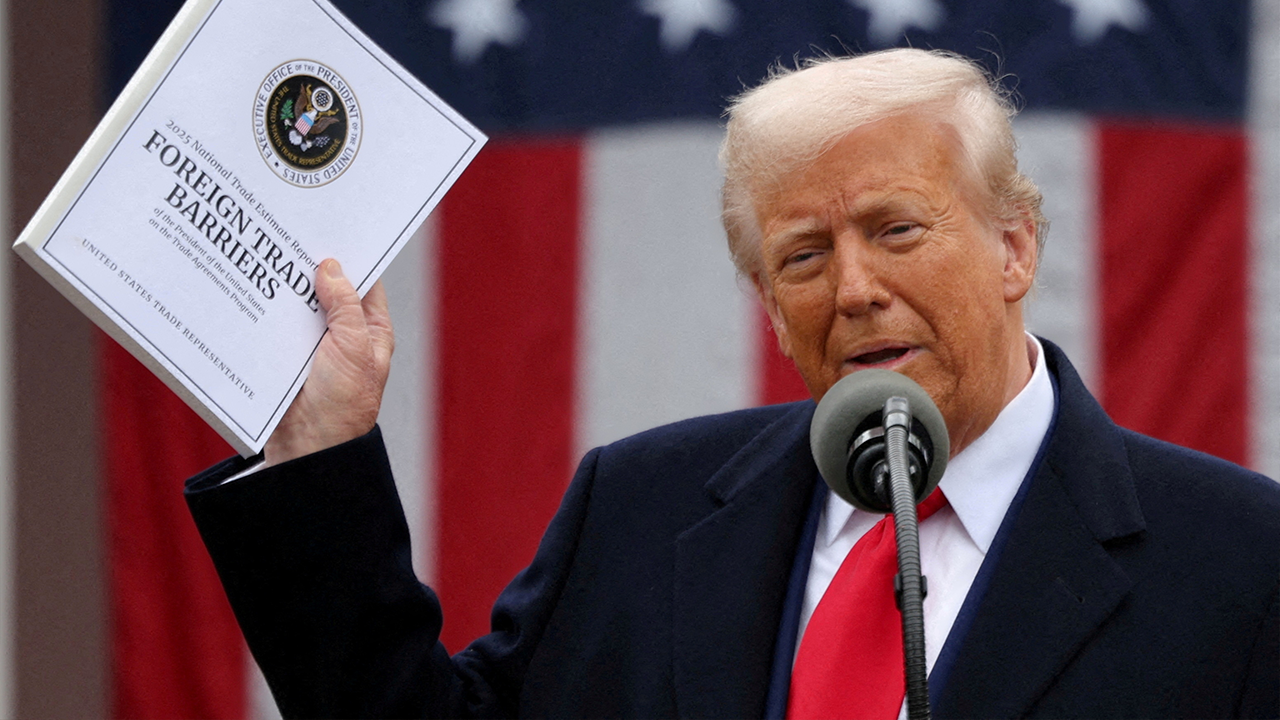
Global Leaders Brace for Impact as Trump Unleashes Bold Tariff Strategy
World leaders are scrambling to respond after former U.S. President Donald Trump announced sweeping tariff measures that could reshape global trade dynamics. The proposed 10% universal baseline tariff, with higher rates targeting specific industries, has sparked immediate backlash from trading partners and economists who warn of inflationary pressures and potential trade wars. As diplomatic tensions escalate, analysts predict the measures could affect over $3 trillion in annual global commerce if implemented.
Economic Shockwaves Across International Markets
Within hours of Trump’s policy announcement, financial markets reacted violently. The Dow Jones Industrial Average dropped 450 points, while key commodities like aluminum and soybeans saw price fluctuations up to 8%. The proposed tariffs would represent the most significant trade barrier escalation since the 2018-2019 U.S.-China trade war, which according to IMF data, reduced global GDP growth by 0.8%.
“This isn’t just a trade policy – it’s an economic earthquake,” said Dr. Helena Markovic, Senior Fellow at the Peterson Institute for International Economics. “Our models suggest a 60% probability of retaliatory measures within 90 days, which could trigger a domino effect across supply chains.”
Key industries facing immediate uncertainty:
- Automotive sector (potential 25% tariff on imported vehicles)
- Electronics manufacturing (targeted 15% levy on components)
- Agricultural exports (particularly vulnerable to retaliatory measures)
Diplomatic Fallout and International Response
European Commission President Ursula von der Leyen called the proposal “deeply concerning” during an emergency press conference, while Chinese Commerce Ministry officials warned of “necessary countermeasures.” Emerging markets appear particularly vulnerable, with India’s trade minister noting the potential “disproportionate impact on developing economies still recovering from pandemic shocks.”
Historical context suggests the road ahead could be rocky. The 2002 steel tariffs imposed by the Bush administration resulted in:
- $30.4 billion in lost exports
- 200,000 U.S. manufacturing job losses
- WTO-authorized EU sanctions on $2.2 billion in U.S. goods
However, Trump trade advisor Peter Navarro defended the strategy: “Global free trade has been a disaster for American workers. These tariffs will finally level the playing field and bring manufacturing jobs back home where they belong.”
Potential Consequences for Global Supply Chains
The proposed tariffs arrive as multinational corporations are already reevaluating supply chain vulnerabilities exposed by recent geopolitical crises. A 2023 McKinsey study found that 89% of Fortune 500 companies are actively pursuing “China+1” diversification strategies, a trend that would likely accelerate under new trade barriers.
Technology sectors face particular challenges. Semiconductor Industry Association CEO John Neuffer warned: “The proposed tariffs on advanced chips could increase consumer electronics prices by 12-18% while doing nothing to enhance U.S. competitiveness. We’re urging policymakers to reconsider.”
Political Ramifications and Election-Year Calculus
The tariff announcement comes as Trump positions himself as the presumptive Republican nominee for the 2024 presidential election. Political analysts note the move solidifies his “America First” economic platform but risks alienating traditional GOP business allies.
“There’s clear electoral strategy here,” explained Georgetown University political science professor Lorraine Kim. “Trump is betting that blue-collar workers in swing states will overlook potential price increases for the promise of protected jobs. Whether that math adds up economically is different from whether it works politically.”
Recent polling shows divided public opinion:
- 47% of likely voters support “tougher trade policies” (Quinnipiac, Feb 2024)
- 52% express concern about “increased consumer prices” (Pew Research, Jan 2024)
- 61% favor “targeted tariffs” over universal increases (Gallup, Dec 2023)
What Comes Next in the Global Trade Landscape?
As nations prepare their responses, the World Trade Organization faces its most significant test in decades. Legal experts anticipate a flood of dispute settlement cases, while bilateral negotiations between the U.S. and major trading partners are expected to intensify.
Possible scenarios emerging from policy analysts:
- Limited Implementation: Partial rollout with exemptions for key allies
- Retaliation Cycle: Tit-for-tat measures resembling 2018 trade war
- New Alliances: Regional trade pacts excluding the U.S.
“The coming months will test the resilience of the global trading system,” noted former USTR negotiator Carla Hills. “What began as campaign rhetoric now requires sober economic analysis and careful diplomatic navigation from all parties involved.”
Business leaders and policymakers alike are advised to monitor developments closely, with many experts recommending scenario planning workshops to prepare for various outcomes. The full economic impact won’t be clear for months, but one certainty emerges – the rules of global trade may be changing before our eyes.
For ongoing coverage of this developing story and expert analysis of trade policy implications, subscribe to our global business newsletter.
See more CCTV News Daily