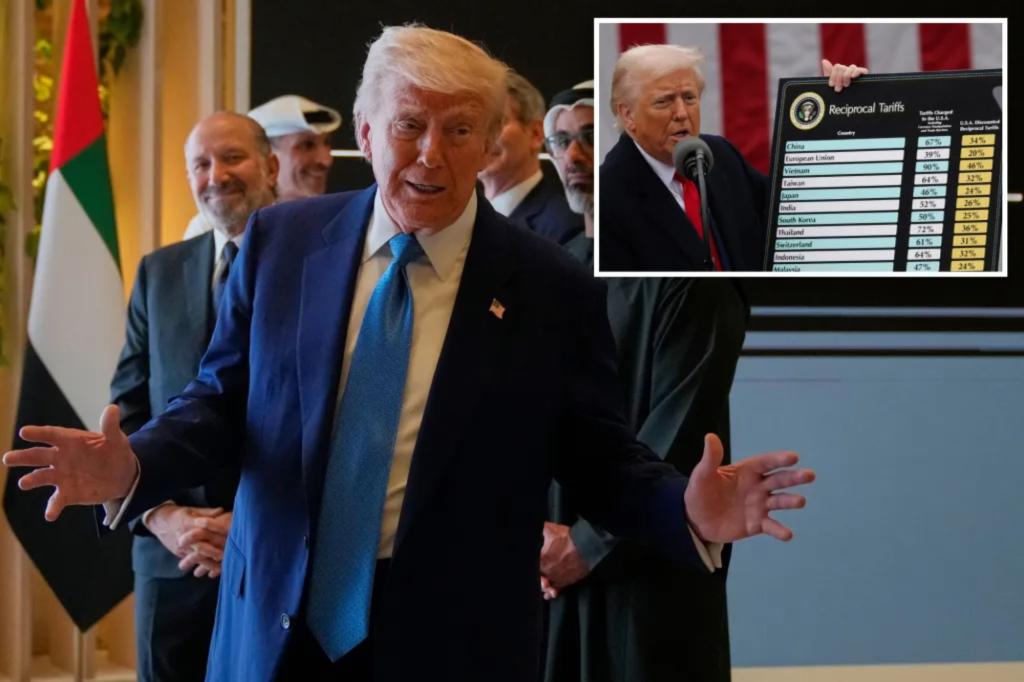
Trump’s Tariff Overhaul: A Game Changer for Global Trade Relations
Former President Donald Trump has unveiled a sweeping tariff proposal that could dramatically alter international trade dynamics. Announced during a campaign rally in Ohio on June 15, 2024, the plan calls for across-the-board tariffs on foreign imports, targeting countries like China and the European Union. The initiative aims to protect American industries but risks sparking trade wars and raising consumer prices. Economists estimate the measures could affect over $2 trillion in annual commerce.
The Mechanics of Trump’s New Tariff Regime
The proposed system would implement a universal baseline tariff of 10% on most imports, with higher rates for specific sectors. Key components include:
- 60% tariffs on Chinese goods, doubling current rates
- Special levies on automotive imports from the EU and Mexico
- Elimination of most tariff exemptions for developing nations
“This isn’t just about trade deficits—it’s about forcing compliance with fair practices,” Trump stated, flanked by steelworkers in Cleveland. The plan builds on his first-term policies that saw tariffs increase from a 2.6% average in 2016 to 3.4% by 2020, according to U.S. International Trade Commission data.
Potential Impacts on Global Supply Chains
Supply chain analysts warn the measures could disrupt carefully calibrated networks. A 2024 Peterson Institute study projects:
- 5-8% increase in manufacturing costs for U.S. firms reliant on imports
- Possible loss of 500,000 logistics-related jobs
- 15-20% longer lead times for electronics and automotive parts
Dr. Elena Rodriguez, trade economist at Georgetown University, cautions: “The global economy operates on razor-thin margins. These tariffs would force complete reconfigurations of supply routes that took decades to optimize.”
Mixed Reactions from Business and Political Circles
The proposal has drawn polarized responses:
Supporters: Domestic manufacturers praise the move. “Finally, someone’s standing up to China’s dumping,” said Jim Thornton, CEO of Midwestern Steel Fabricators. The Coalition for a Prosperous America estimates the tariffs could generate $300 billion annually for domestic reinvestment.
Critics: Retail associations warn of consumer price spikes. A National Retail Federation analysis suggests average households might pay $1,500 more annually for goods. Meanwhile, the European Commission has drafted retaliatory tariffs targeting $40 billion in U.S. exports.
Historical Context and Legal Considerations
Trump’s approach mirrors 20th-century protectionism but with modern twists:
- Leverages Section 301 of the 1974 Trade Act for unilateral actions
- Bypasses WTO frameworks through national security justifications
- Creates new “reciprocal tariff” mechanisms for country-specific adjustments
Legal scholar Mark Chen notes: “The administration appears to be testing the boundaries of presidential trade authority. Courts may ultimately decide how much can be implemented.”
The Geopolitical Fallout of Aggressive Trade Policies
Diplomatic tensions are already flaring. China’s Commerce Ministry issued a statement vowing “resolute countermeasures,” while German Chancellor Olaf Scholz called the plan “economic brinkmanship.” Emerging markets face particular vulnerability—IMF data shows developing nations could see 1.2% GDP reductions from secondary effects.
However, some strategists see opportunities. “This could accelerate nearshoring to Mexico and Southeast Asia,” notes supply chain consultant Priya Kapoor. “Countries offering stable trade terms may gain investment.”
What Comes Next in the Trade Policy Battle
Implementation would require either congressional approval or creative executive actions. Key milestones ahead:
- July 2024: Expected release of detailed tariff schedules
- September 2024: Potential WTO dispute filings
- 2025: Possible enactment if Trump wins the presidency
As the debate intensifies, businesses are advised to stress-test their supply chains. “Every importer needs contingency plans now,” warns global trade attorney David Klein. “The rules of engagement are changing whether we’re ready or not.”
For ongoing coverage of how these proposed tariffs may affect specific industries, subscribe to our trade policy newsletter for weekly expert analysis.
See more CCTV News Daily