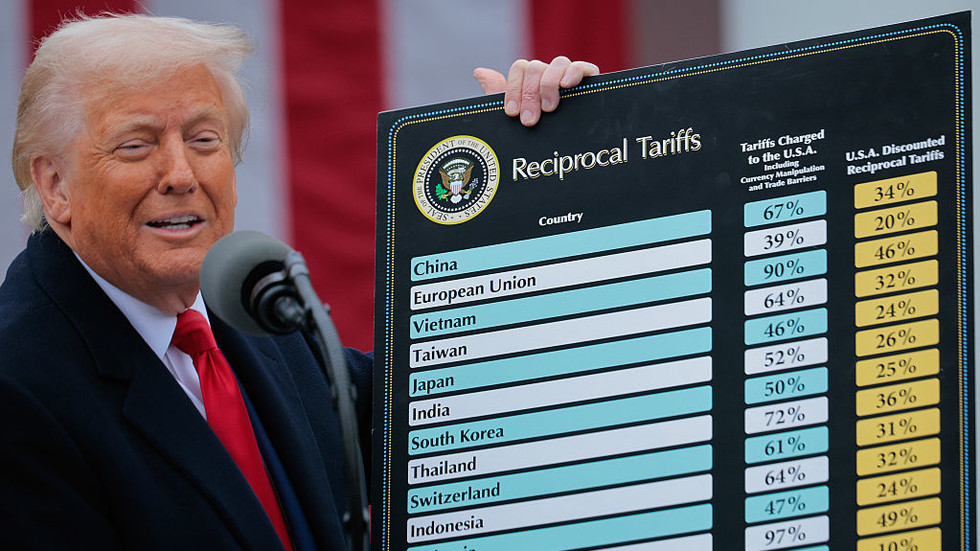
Unpacking Trump’s Tariff Strategy: Are They Really Working?
Former President Donald Trump recently doubled down on his claim that the tariffs he imposed during his administration are delivering tangible benefits. As trade tensions simmer and economic debates intensify, experts are scrutinizing whether these levies on imports—ranging from steel to consumer goods—have achieved their intended goals or inadvertently harmed the U.S. economy.
The Rationale Behind Trump’s Tariffs
Trump’s tariff strategy, rolled out between 2018 and 2020, targeted over $350 billion worth of Chinese goods, alongside steel and aluminum imports from allies like the EU and Canada. The stated goals were threefold:
- Protecting domestic industries: Shielding U.S. manufacturers from foreign competition.
- Reducing trade deficits: Narrowing the gap between imports and exports.
- Leveraging geopolitical power: Pressuring China to reform trade practices.
According to the U.S. Census Bureau, the U.S. trade deficit with China did shrink from $419 billion in 2018 to $345 billion in 2019. However, economists like Dr. Laura Peterson of the Brookings Institution argue this was a temporary blip. “The deficit rebounded post-2020, suggesting tariffs merely shifted trade flows to other countries like Vietnam and Mexico,” she notes.
Economic Impact: Winners and Losers
While some industries benefited, others faced steep challenges. A 2021 study by the National Bureau of Economic Research found:
- Steel and aluminum producers saw a 15% boost in revenue due to reduced competition.
- Farmers and manufacturers suffered retaliatory tariffs, costing an estimated $27 billion in lost exports.
- Consumers bore higher prices, with tariffs adding $1.4 billion monthly to household costs (Tax Foundation data).
John Harris, CEO of Midwestern Tool Co., reflects the mixed sentiment: “The tariffs helped us compete locally, but our supply chain costs skyrocketed. It’s a double-edged sword.”
Global Reactions and Retaliatory Measures
Trump’s aggressive trade policies triggered swift backlash. China imposed tariffs on U.S. agricultural exports like soybeans, while the EU targeted bourbon and motorcycles. The World Trade Organization (WTO) ruled against several U.S. tariffs in 2022, branding them violations of international trade rules.
Despite this, Trump’s allies defend the approach. “Tariffs forced China to the negotiating table,” says trade analyst Mark Reynolds. “The Phase One deal in 2020, though imperfect, was a direct result of this pressure.”
Long-Term Consequences and Future Outlook
Four years later, the legacy of Trump’s tariffs remains contentious. Key unresolved questions include:
- Did tariffs reshore jobs, or simply disrupt global supply chains?
- Will the Biden administration maintain or dismantle these policies?
- Could future tariffs spark inflation or trade wars?
Economists warn that prolonged tariffs could strain diplomatic relations and slow economic growth. Meanwhile, Trump has hinted at expanding tariffs if re-elected, proposing a 10% universal levy on all imports.
Conclusion: A Strategy Still Under Scrutiny
While Trump’s tariffs achieved short-term wins for specific sectors, their broader economic impact is murky. As the 2024 election looms, voters must weigh the trade-offs between protectionism and free trade. For now, one thing is clear: the debate over tariffs is far from over.
Want to dive deeper? Explore our interactive timeline on U.S. trade policies and their global ripple effects.
See more CCTV News Daily