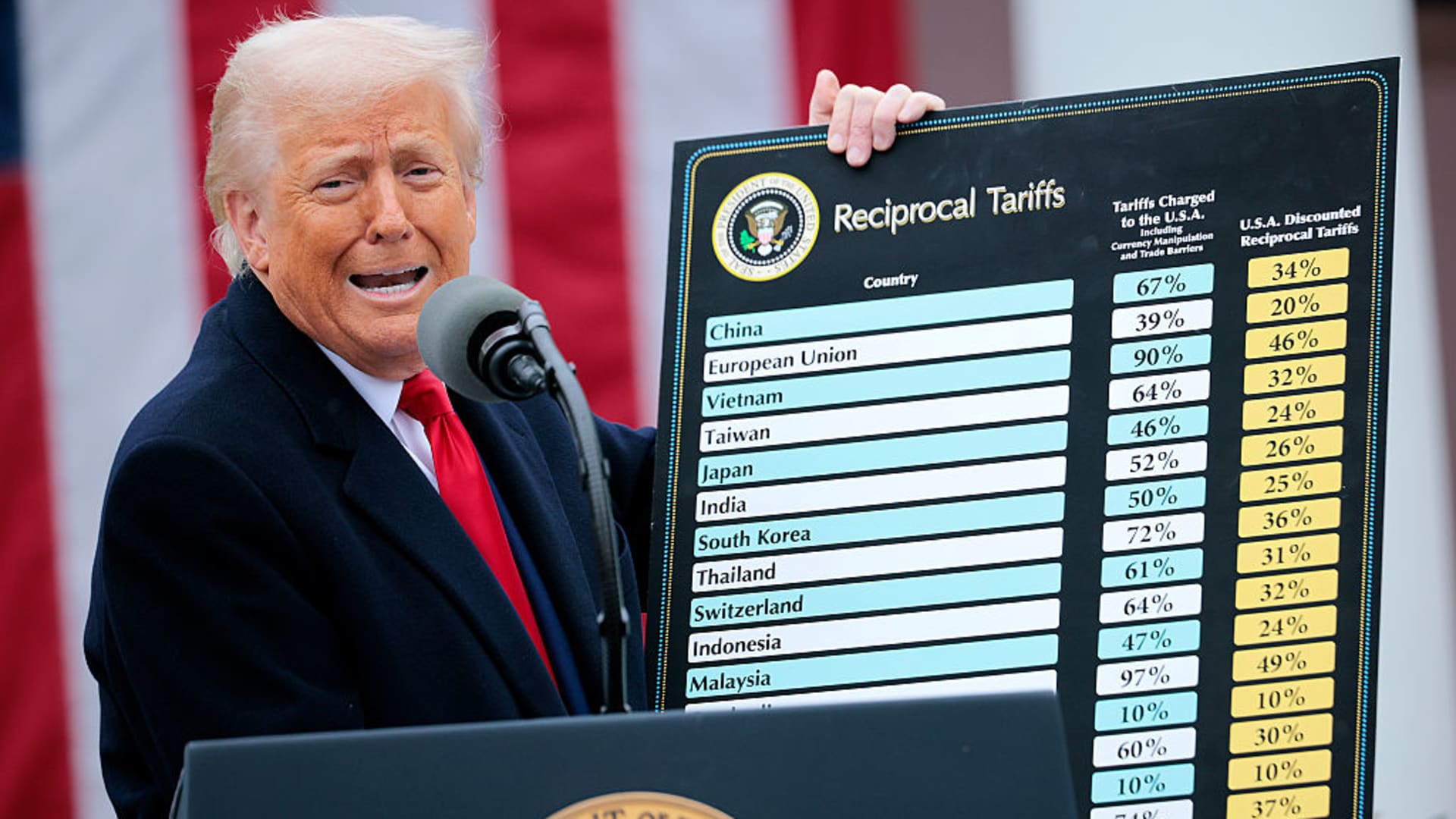
Legal Showdown: Trump Tariffs Face Crucial Federal Court Challenge
A federal trade court is currently scrutinizing the legality of Trump-era tariffs in a high-stakes legal battle that could redefine U.S. trade policy. The U.S. Court of International Trade is hearing multiple challenges this month targeting Section 301 tariffs imposed on $350 billion worth of Chinese goods and Section 232 tariffs on steel and aluminum imports. The outcomes may force the Biden administration to recalibrate its trade strategy amid global economic tensions.
The Core Legal Arguments Against the Tariffs
Plaintiffs ranging from manufacturing groups to multinational corporations argue the tariffs exceeded presidential authority and violated administrative procedures. At the heart of the challenge is whether the Trump administration properly justified the tariffs as national security measures under Section 232 of the Trade Expansion Act (1962) and as responses to unfair trade practices under Section 301 of the Trade Act (1974).
“The administration stretched the definition of national security beyond recognition,” contends trade attorney Rebecca Winters, representing a coalition of auto parts importers. “These tariffs functionally became a general economic policy tool rather than a targeted national security measure.”
Key legal points under examination:
- Whether the Commerce Department’s 2018 steel/aluminum reports provided adequate justification
- If the USTR properly followed notice-and-comment procedures for China tariffs
- Whether tariff exclusions were granted arbitrarily
Economic Impacts Under the Microscope
Recent studies show the tariffs had mixed economic effects:
- U.S. steel employment grew by 3,200 jobs since 2018 (Bureau of Labor Statistics)
- Downstream manufacturers paid $5.6 billion extra in steel costs in 2021 (Peterson Institute)
- China tariff collections totaled $85 billion through 2022 (U.S. Customs data)
“The tariffs succeeded in reducing certain imports but failed to achieve broader strategic objectives,” notes Georgetown University trade economist Dr. Mark Chen. “Chinese market share in critical sectors actually increased in some categories due to supply chain adaptations.”
Biden Administration’s Delicate Position
While maintaining most Trump tariffs, the Biden team has:
- Launched targeted exclusion processes for medical goods
- Negotiated limited trade agreements with allies
- Pursued alternative China strategies through export controls
“We’re reviewing all trade tools to ensure they serve contemporary economic realities,” stated USTR spokesperson Elena Rodriguez. The administration faces pressure from both sides—progressives urging tougher trade actions and business groups seeking relief from import costs.
Global Trade Implications at Stake
The court’s decisions could ripple through international commerce:
- WTO members may gain leverage in ongoing disputes over U.S. tariffs
- Allies like the EU could reopen negotiations on steel quotas
- China may adjust its retaliatory tariff strategy
European trade envoy Klaus Schmidt warns: “These cases will test whether global trade rules can constrain unilateral actions. The outcomes could either restore multilateral confidence or accelerate fragmentation.”
What Comes Next in the Legal Battle
The Court of International Trade is expected to rule on procedural matters by Q1 2024, with potential appeals to the Federal Circuit likely. Legal experts identify three possible scenarios:
- Narrow ruling: Courts invalidate specific tariffs on technical grounds while preserving presidential authority
- Broad rejection: Judges uphold all tariffs as lawful executive actions
- Landmark decision: Court significantly curtails future presidential tariff powers
Business groups are preparing for all outcomes. “We need clarity on the rules of the road for future trade actions,” said National Retail Federation VP Jonathan Gold. “These cases will shape U.S. trade policy for decades.”
The Road Ahead for U.S. Trade Policy
Regardless of the verdicts, the litigation highlights growing tensions between executive trade powers and congressional oversight. Lawmakers from both parties have introduced bills to reform Section 232 and 301 authorities, suggesting potential legislative action in 2024.
As the legal and political battles converge, businesses should:
- Monitor exclusion processes for potential reopenings
- Assess supply chain vulnerabilities to tariff fluctuations
- Engage in policy discussions about trade authority reforms
The court’s gavel may soon reshape how America conducts trade in an increasingly competitive global economy. For ongoing coverage of this developing story, subscribe to our trade policy newsletter for expert analysis and breaking updates.
See more CCTV News Daily