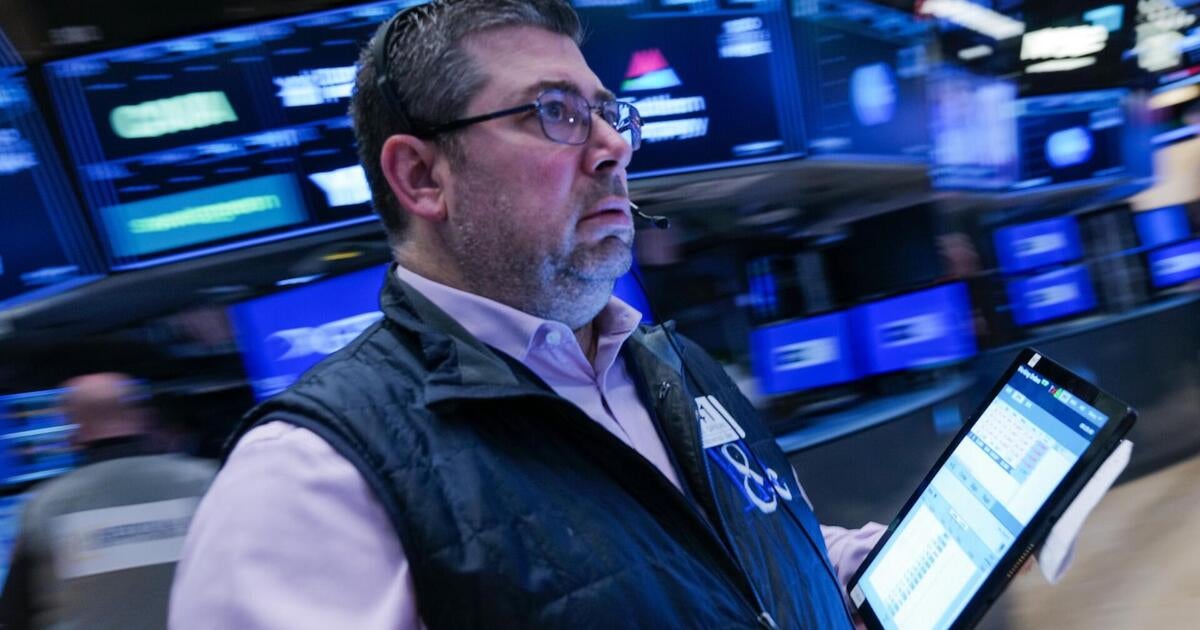
Unraveling the Impact: How Trump’s Tariff Adjustments Leave Investors in a Quandary
As President Trump announces significant changes to tariffs, stock market investors are grappling with uncertainty. The adjustments to tariffs are not merely a matter of policy; they ripple through the economy, affecting everything from consumer prices to corporate earnings. Understanding the potential ramifications of these adjustments is crucial for investors looking to navigate this complex landscape.
The Landscape of Tariff Adjustments
Tariffs, taxes imposed on imported goods, are a tool used by governments to protect domestic industries from foreign competition. President Trump’s adjustments have been particularly notable, with a focus on China and other countries. By altering tariff rates, the administration aims to influence trade balances, protect American jobs, and stimulate domestic production. However, this strategy has resulted in a paradox for investors.
Immediate Market Reactions
On the announcement of tariff changes, financial markets typically react swiftly. Investors often respond to the perceived implications of these adjustments on future profits and economic growth. Here’s how the market has reacted historically:
- Stock Volatility: Tariff announcements can lead to rapid fluctuations in stock prices, particularly among sectors heavily reliant on imports or exports.
- Sector Impacts: Industries such as manufacturing, agriculture, and technology can be disproportionately affected, leading to divergent performance within the stock market.
- Investor Sentiment: Changes in tariffs can create a sense of uncertainty among investors, often leading to a cautious approach in investment strategies.
Long-Term Economic Ramifications
While the immediate market reactions can be jarring, the long-term economic impacts of tariff adjustments are crucial for investors to consider. Here are some important factors:
- Inflationary Pressures: Increased tariffs can lead to higher prices for imported goods, which can in turn fuel inflation. This inflation can erode consumer purchasing power and affect overall economic growth.
- Supply Chain Disruptions: Many companies rely on global supply chains. Tariff changes can disrupt these networks, leading to increased costs and delays in production.
- Investment Shifts: Businesses might shift investments in response to tariffs, potentially moving production to countries with lower tariffs or investing in domestic production facilities.
Investor Strategies in Uncertain Times
Given the complexity and unpredictability of tariff adjustments, investors must consider adaptive strategies to navigate this uncertainty effectively. Here are some strategies that may prove beneficial:
- Diversification: Spreading investments across various sectors and asset classes can mitigate risks associated with tariff volatility. By diversifying, investors can cushion against losses in any single sector.
- Focus on Domestic Companies: Companies that are less reliant on foreign goods may fare better under increased tariffs. Investors might want to consider increasing their holdings in these firms.
- Monitor Economic Indicators: Keeping an eye on key economic indicators such as inflation rates, consumer spending, and manufacturing output can provide insights into how tariffs are impacting the broader economy.
The Psychological Aspect of Investing
Investing is not solely a numbers game; psychology plays a significant role in how investors react to market changes. The uncertainty created by tariff adjustments can lead to emotional decision-making. Here’s how to maintain a level head:
- Stay Informed: Regularly updating oneself on economic news and understanding the implications of tariff changes can help investors make rational decisions rather than emotional ones.
- Long-Term Perspective: It’s essential to remember that market fluctuations are often temporary. Maintaining a long-term investment strategy can provide a buffer against short-term volatility.
- Consult Financial Advisors: Engaging with financial advisors who understand the implications of tariffs can provide clarity and guidance tailored to individual investment goals.
Global Context and Future Outlook
The impact of Trump’s tariff adjustments is not confined to the U.S. economy. The global market is interconnected, and changes in U.S. trade policy can lead to retaliatory actions from other countries, further complicating the landscape. For instance, China’s responses to U.S. tariffs have often included their own adjustments, which can create additional uncertainty for global investors.
Looking ahead, investors should remain vigilant. The political landscape continues to evolve, and future administrations may adopt different approaches to trade. Understanding the potential for shifts in policy can help investors prepare for the unexpected.
Conclusion
As President Trump’s tariff adjustments create waves of uncertainty in the stock market, investors are left grappling with the implications of these changes. By understanding the immediate and long-term impacts of tariffs, adjusting investment strategies accordingly, and maintaining a rational perspective, investors can navigate this complex environment more effectively. Staying informed and adaptable will be key to thriving in an ever-evolving economic landscape.
Ultimately, while uncertainty can be daunting, it also presents opportunities for those who are prepared to seize them. With the right strategies and a clear understanding of the market dynamics influenced by tariff adjustments, investors can chart a course through the tempestuous waters of economic change.
See more CCTV News Daily