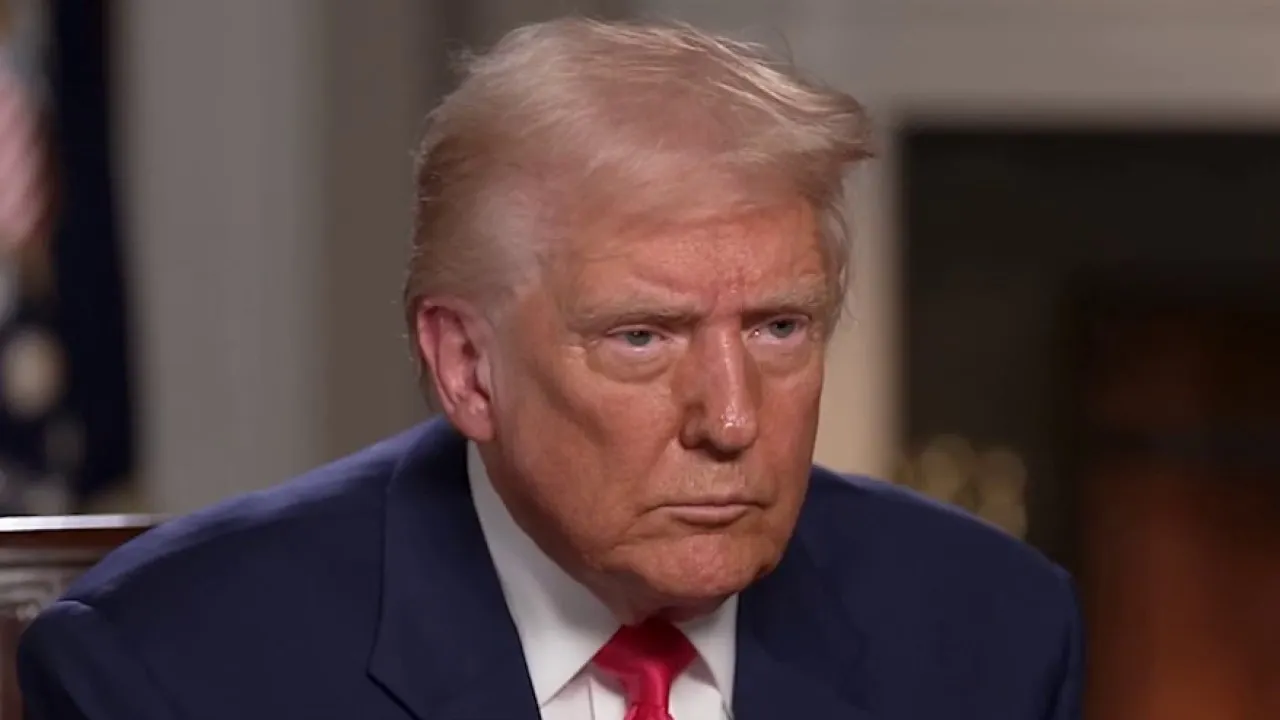
Trump Hints at Potential Tariff Increases on Mexico and Canada: Understanding the Implications
In a striking recent statement, former President Donald Trump hinted at the possibility of increasing tariffs on imports from Mexico, suggesting that Canada might also face similar hikes in the future. This announcement raises significant questions about the future of trade relations, economic stability, and the broader implications for North America. As tariffs can profoundly affect both domestic and international markets, understanding these potential changes is crucial for various stakeholders, including businesses, policymakers, and consumers.
The Context of Trump’s Announcement
Trump’s remarks come amid ongoing discussions about trade policy and economic recovery following the disruptions caused by the COVID-19 pandemic. The former president has long been a proponent of protectionist measures, arguing that they are necessary to safeguard American jobs and industries. By hinting at increased tariffs on Mexico and Canada, Trump is likely aiming to underscore his commitment to prioritizing American economic interests.
Historically, tariffs have been a contentious issue in U.S.-Canada-Mexico relations. The United States-Mexico-Canada Agreement (USMCA), which replaced NAFTA, was designed to eliminate many of these trade barriers. However, the prospect of renewed tariffs raises questions about the stability of this agreement and the potential for retaliatory measures from Canada and Mexico.
Potential Economic Impacts of Increased Tariffs
The implications of increased tariffs on Mexico and Canada could be far-reaching. Here are some key areas to consider:
- Price Increases for Consumers: Tariffs typically lead to higher prices for imported goods. If tariffs are raised, consumers in the U.S. may face increased costs for a variety of products, from vehicles to agricultural goods.
- Impact on American Businesses: Many U.S. companies rely on imports from Mexico and Canada for raw materials and components. Increased tariffs could lead to higher production costs, which might be passed on to consumers or result in reduced profit margins.
- Retaliatory Tariffs: Canada and Mexico may respond with their own tariffs on U.S. goods, potentially leading to a trade war that could harm all three economies. Retaliatory measures could target American agricultural products, electronics, and more.
- Job Losses: While intended to protect American jobs, increased tariffs may actually lead to job losses in industries that depend on trade with Mexico and Canada. For instance, U.S. manufacturers that export to these countries could see reduced demand for their products due to higher prices abroad.
Political Ramifications
Trump’s hint at tariff increases is not only an economic issue but also a political one. By positioning himself as a defender of American interests, he may be attempting to rally his base in anticipation of future elections. The political landscape in the U.S. is increasingly polarized, and trade policy remains a hot-button issue among voters.
In addition, the Biden administration may feel pressure to respond to Trump’s remarks. While the current administration has emphasized the importance of multilateral trade relationships, increased tariffs could complicate diplomatic efforts with Canada and Mexico. A unified approach to trade is essential, especially as North America seeks to recover from the economic impacts of the pandemic.
Global Trade Dynamics
The potential for increased tariffs on Mexico and Canada also raises questions about the United States’ role in global trade. As one of the largest economies in the world, U.S. trade policies can significantly influence global markets. Heightened tariffs could lead to shifts in supply chains as companies seek to avoid increased costs by sourcing materials from other countries.
Countries that compete with Mexico and Canada in the manufacturing sector may see an opportunity to capture market share if U.S. companies look elsewhere for imports. This shift could have long-term implications for North America’s economic landscape, potentially diminishing the region’s competitive edge in certain industries.
Strategies for Businesses and Consumers
In light of these developments, businesses and consumers should consider proactive strategies to mitigate potential impacts:
- For Businesses: Companies should evaluate their supply chains and consider diversifying their sources of materials and components. This could help mitigate risks associated with increased tariffs.
- For Consumers: Staying informed about potential price increases can help consumers make smarter purchasing decisions. Buying American-made products can also support domestic industries and reduce reliance on imports.
Looking Ahead: What’s Next?
As Trump’s hints at potential tariff increases on Mexico and Canada circulate, it is crucial for stakeholders to stay vigilant. The economic landscape is always changing, and the ramifications of trade policy decisions can be profound and far-reaching.
In the coming months, it will be essential to monitor developments in U.S.-Mexico-Canada trade relations. Will Trump’s hints materialize into actual policy changes? How will Canada and Mexico respond? The answers to these questions will shape not only the economic future of North America but also the political landscape as we approach the next election cycle.
Ultimately, while the prospect of increased tariffs may seem daunting, it also presents an opportunity for dialogue and renegotiation. Engaging with our neighbors and working towards mutually beneficial policies could strengthen the economic ties that bind us together as a continent.
Conclusion
Trump’s hints at potential tariff increases on Mexico and Canada serve as a reminder of the complexities of trade relations in the modern world. As we navigate these challenges, it is imperative to prioritize collaboration and open dialogue to ensure that all parties can thrive in a competitive global economy. The focus should remain on finding solutions that protect American interests while fostering strong relationships with our neighbors, ultimately leading to a more prosperous North America.
See more CCTV News Daily