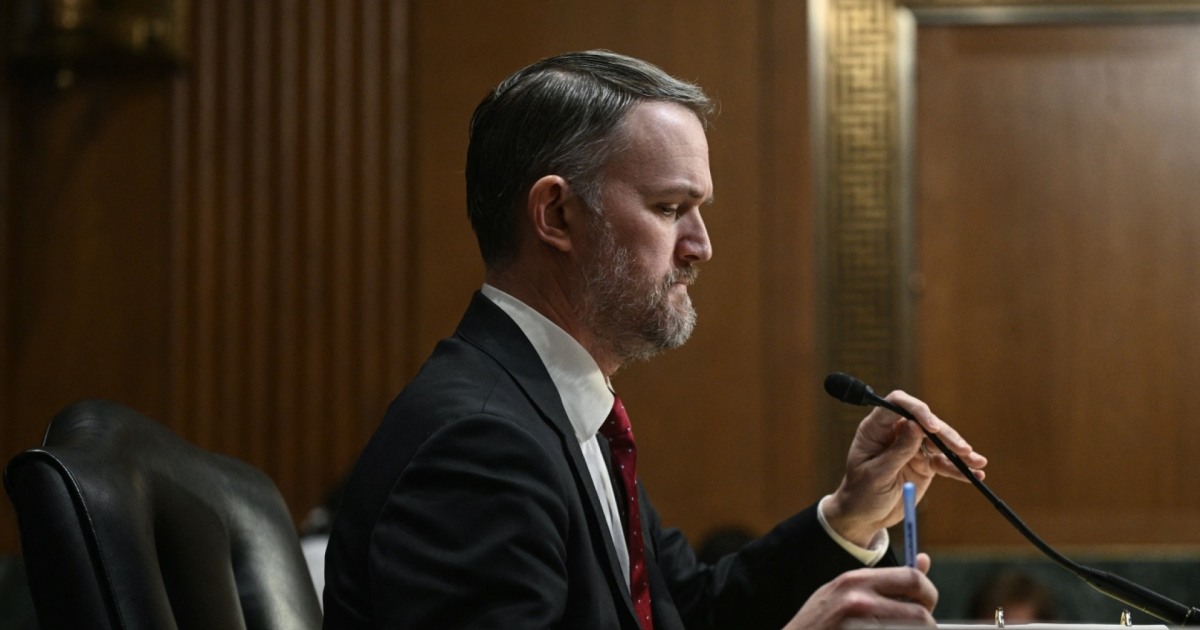
Inside the Senate Hearing: Trump’s Trade Representative Defends Controversial Tariffs
In a fiery Senate hearing this week, former President Donald Trump’s trade representative, Robert Lighthizer, staunchly defended the administration’s use of tariffs as essential for safeguarding American industries and jobs. The hearing, held on Wednesday before the Senate Finance Committee, reignited debates over the economic and diplomatic consequences of aggressive trade policies. Lawmakers clashed over whether the tariffs bolstered U.S. competitiveness or risked escalating global trade tensions.
The Case for Tariffs: Protecting American Workers
Lighthizer, architect of Trump’s trade agenda, argued that tariffs on steel, aluminum, and Chinese goods revitalized domestic manufacturing. “These measures were never about punishment but about leveling the playing field,” he asserted, citing a 7% growth in U.S. steel production since 2018. He highlighted the creation of 12,000 manufacturing jobs in swing states as evidence of their success.
Supporting Lighthizer’s stance, Senator Sherrod Brown (D-OH) emphasized, “When we allow dumped or subsidized imports to flood our markets, we’re signing a death warrant for American factories.” Pro-tariff advocates point to:
- A 35% drop in steel imports from China between 2018–2021
- Record profits for U.S. aluminum producers in 2022
Opposition Voices: Economic Fallout and Trade Wars
Critics, however, warned of unintended costs. Senator Pat Toomey (R-PA) cited a 2021 Congressional Research Service report estimating tariffs cost U.S. businesses and consumers $51 billion annually. “These are taxes paid by Americans, not foreign governments,” he countered. Economists testifying noted:
- A 0.5% reduction in GDP growth due to trade disruptions
- Loss of 300,000 jobs in tariff-dependent sectors like agriculture
Dr. Kimberly Clausing, a tax policy expert at UCLA, told the committee, “Retaliatory tariffs hit U.S. exporters hardest, particularly farmers. Soybean exports to China plummeted by 75% at the policy’s peak.”
Global Repercussions and Diplomatic Strains
The hearing also examined strained relations with allies. The EU’s 25% retaliatory tariffs on bourbon and motorcycles were cited as damaging to niche industries. Meanwhile, China’s refusal to meet Phase One trade deal purchase targets—$200 billion short—underscored enforcement challenges.
Lighthizer dismissed these concerns: “Negotiation requires leverage. Without tariffs, we’d have no seat at the table.” Yet, former USTR official Wendy Cutler warned, “Unilateral actions erode trust. Multilateral cooperation is key to long-term solutions.”
What’s Next for U.S. Trade Policy?
The Biden administration faces pressure to recalibrate the approach. While maintaining most Trump-era tariffs, it has granted exemptions for 352 Chinese imports and launched the Indo-Pacific Economic Framework as an alternative to pure protectionism.
Key unresolved questions include:
- Will Congress reclaim tariff authority from the executive branch?
- Can supply chain resilience be achieved without broad tariffs?
- How will midterm elections sway policy directions?
As the debate rages, businesses and trading partners await clarity. For now, the hearing underscored a stark divide: economic sovereignty versus global interdependence. One thing is certain—the ripple effects of these policies will shape trade dynamics for years.
Stay informed on evolving trade policies by subscribing to our newsletter for expert analysis.
See more CCTV News Daily