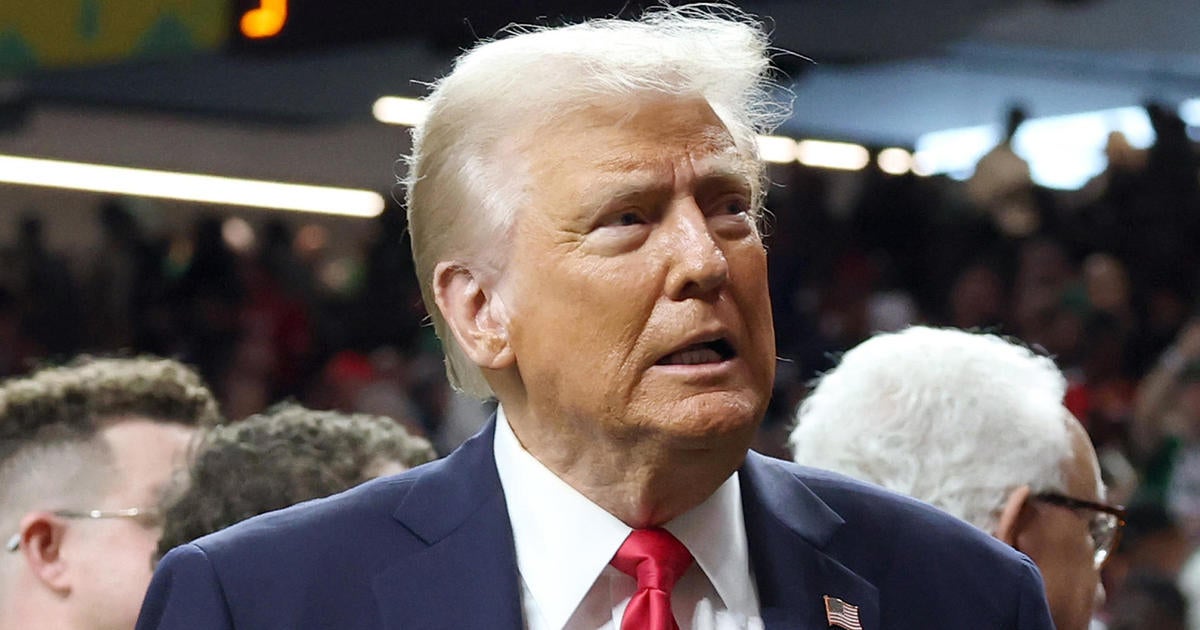
Unpacking Trump’s Steel and Aluminum Tariffs: An Overview
As the U.S. navigates its trade policies, the implications of Trump’s steel and aluminum tariffs are significant. Instituted in March 2018, these tariffs marked a pivotal moment in American trade strategy, aiming to protect domestic industries from foreign competition. This article delves into the motivations behind these tariffs, their impact on the economy, and what lies ahead for American industries.
The Motivations Behind Trump’s Steel and Aluminum Tariffs
The introduction of tariffs on steel and aluminum imports was driven by several factors, primarily rooted in national security concerns and economic protectionism. President Trump and his administration argued that the decline of the U.S. steel and aluminum industries posed a threat to national security, particularly in the context of military and infrastructure needs. The administration’s rationale included:
- National Security: The argument was that a strong domestic steel and aluminum industry is crucial for defense production.
- Trade Imbalance: The U.S. has long had a trade deficit in steel and aluminum, and the tariffs were seen as a way to rectify this imbalance.
- Job Protection: The administration aimed to protect American jobs in the steel and aluminum sectors, which had been declining due to cheaper imports.
These motivations resonate with a significant portion of the American populace, particularly in regions reliant on manufacturing jobs. The belief that tariffs could restore these jobs and invigorate local economies played a crucial role in garnering support for the policy.
Economic Impact of the Tariffs
Trump’s steel and aluminum tariffs had far-reaching effects on the economy, influencing various sectors and market dynamics. Here are the key impacts:
1. Domestic Industry Revitalization
One of the most immediate effects of the tariffs was a boost to domestic steel and aluminum producers. Companies like U.S. Steel and Alcoa reported increases in production and profitability, attributing this to the reduced competition from foreign imports. This revitalization was particularly evident in:
- Increased production capacity and investment in facilities.
- Job creation in the manufacturing sector, although the overall number remained a point of debate.
2. Rising Costs for Consumers and Industries
While the tariffs benefitted domestic producers, they also led to increased costs for various industries relying on steel and aluminum. Construction, automotive, and consumer goods manufacturers faced higher raw material costs, which often translated to:
- Increased prices for end consumers.
- Higher production costs, impacting profit margins.
This ripple effect raised concerns about inflation and its potential to slow economic growth, particularly in sectors heavily reliant on these metals.
3. Trade Relations and Retaliation
The tariffs sparked a wave of retaliation from allied nations, leading to tensions in international trade relations. Countries such as Canada, Mexico, and the European Union responded with their own tariffs on American goods. This retaliation included:
- Targeting U.S. exports like bourbon, motorcycles, and agricultural products.
- Creating uncertainty for American businesses operating in global markets.
The retaliatory measures underscored the interconnectedness of global trade and raised questions about the long-term viability of protectionist policies.
What Lies Ahead for American Industries?
Looking forward, the future of Trump’s steel and aluminum tariffs remains uncertain. Several factors will shape the ongoing discourse around these trade policies:
1. Policy Adjustments and Reviews
The Biden administration has indicated a willingness to reassess many of Trump’s trade policies. As part of this review, there may be adjustments to the existing tariffs. Potential outcomes could include:
- Modification or removal of certain tariffs based on economic evaluations.
- Implementation of new trade agreements that could alleviate some pressures on American consumers and industries.
2. Ongoing Industry Adaptation
American industries are likely to continue adapting to the tariffs and the evolving trade landscape. This may involve:
- Investing in alternative materials or substitutes to reduce dependency on steel and aluminum.
- Exploring domestic partnerships and supply chains to mitigate the impact of tariffs.
3. Global Trade Dynamics
The global trade environment is continually shifting, and American industries will have to navigate these changes carefully. The response of other nations to U.S. tariffs will play a crucial role in shaping future trade relations. Key considerations include:
- The potential for new trade agreements that could foster cooperation.
- Monitoring the balance between protecting domestic industries and maintaining healthy international trade relationships.
Trump’s steel and aluminum tariffs have undeniably changed the landscape of U.S. trade policy, presenting both challenges and opportunities for American industries. As the nation moves forward, it will be essential for policymakers to strike a balance between protecting domestic jobs and fostering a competitive market that benefits consumers. The ongoing dialogue around tariffs will shape the future of American manufacturing, international relations, and economic growth.
In summary, understanding the motivations, impacts, and future implications of Trump’s steel and aluminum tariffs is crucial for anyone interested in the dynamics of U.S. trade policy. As the economic landscape continues to evolve, staying informed will empower stakeholders to navigate the complexities of trade in a globalized economy.
See more CCTV News Daily