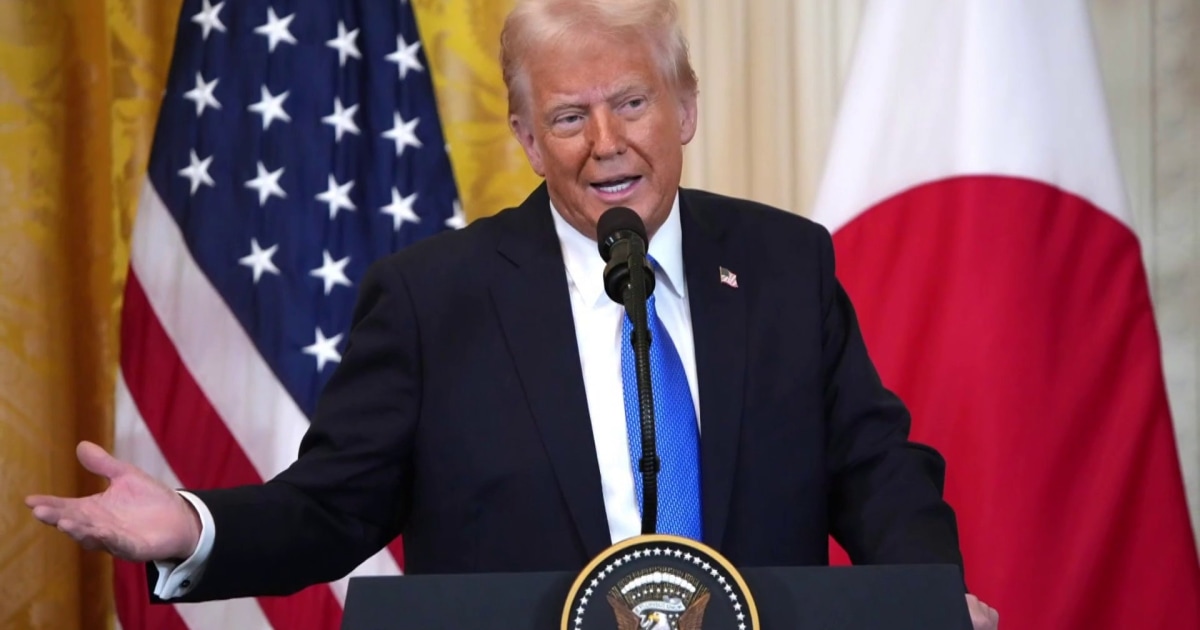
Trump’s Tariff Strategy: An Overview
As President Trump implements new tariffs on steel and aluminum, he faces mounting legal obstacles that could reshape the landscape of U.S. trade policy. This strategic maneuver aims to bolster domestic industries while simultaneously navigating international relations fraught with tension. The implications of these tariffs extend beyond economic figures; they touch upon the very fabric of trade relationships and domestic job markets.
Understanding the Tariff Policy
Tariffs, essentially taxes imposed on imported goods, are tools used by governments to protect domestic industries. Trump’s administration has positioned these tariffs as a means to revive American manufacturing, particularly in the steel and aluminum sectors. By raising the cost of foreign steel and aluminum, the intention is to encourage consumers and manufacturers to buy American-made products.
The Rationale Behind the Tariffs
The rationale for Trump’s tariff strategy is multifaceted. Here are some key points:
- Protection of Domestic Industries: The U.S. steel and aluminum industries have faced significant challenges due to cheaper imports. Tariffs aim to provide these sectors with a competitive edge.
- Job Preservation: By supporting domestic production, the administration argues that these tariffs will help preserve and create jobs in manufacturing.
- National Security Concerns: The Trump administration has cited national security as a reason for the tariffs, arguing that reliance on foreign metals could threaten defense production.
Domestic Impact of Steel and Aluminum Tariffs
The implementation of these tariffs has sparked a wide range of reactions across different sectors of the economy. While supporters argue that they will rejuvenate American industry, critics raise concerns about potential downsides.
Positive Effects on Domestic Industries
Supporters of Trump’s tariff strategy highlight several potential benefits:
- Increased Production: Steel and aluminum producers in the U.S. have reported increased demand as a result of reduced competition from foreign imports.
- Investment in Infrastructure: With a revitalized manufacturing base, there’s hope for more robust infrastructure projects, which need substantial amounts of steel and aluminum.
- Job Growth: Some manufacturers have indicated plans to expand their workforce in response to higher demand for domestic products.
Negative Consequences and Legal Challenges
On the flip side, the tariffs have also drawn significant criticism:
- Increased Costs: Many industries that rely on steel and aluminum have seen their production costs rise, leading to higher prices for consumers.
- Retaliatory Tariffs: Several countries have responded with their own tariffs on U.S. goods, which could hurt American exporters.
- Legal Obstacles: Legal challenges to the tariffs are mounting, with various stakeholders arguing that the tariffs violate international trade agreements.
Legal Challenges Facing Trump’s Tariff Strategy
The legal landscape surrounding Trump’s tariffs is complex and evolving. Several lawsuits have been filed challenging the legality of these tariffs, claiming they contravene established trade laws.
Key Legal Issues
Some of the main legal arguments against the tariffs include:
- Violation of Trade Agreements: Critics argue that the tariffs violate agreements made with trading partners, potentially leading to disputes in international trade courts.
- Abuse of Presidential Power: Some legal experts contend that the tariffs exceed the authority granted to the President under U.S. law, particularly concerning national security claims.
- Economic Harm to U.S. Businesses: Businesses reliant on imported metals have filed lawsuits, claiming that the tariffs are causing undue economic hardship.
International Relations and Trade Partnerships
The ramifications of Trump’s tariff strategy extend beyond domestic borders, impacting international relations significantly. Countries affected by the tariffs have responded in various ways, ranging from negotiations to retaliatory tariffs.
Global Reactions
International responses to the tariffs have been swift:
- Retaliation from Allies: Key U.S. allies, including Canada and the European Union, have imposed their own tariffs on American goods, escalating trade tensions.
- Negotiations for Exemptions: Some countries have sought exemptions from the tariffs, leading to complex negotiations that could influence future trade agreements.
- Shift in Trade Alliances: The tariffs have prompted some countries to reconsider their trade partnerships, potentially leading to new alliances that could reshape global trade dynamics.
Future Implications of the Tariff Strategy
Looking ahead, the future of Trump’s tariff strategy remains uncertain. The outcome of ongoing legal challenges, international negotiations, and domestic economic conditions will all play crucial roles in determining its long-term viability.
Potential Scenarios
Several potential scenarios could emerge:
- Continued Legal Battles: If legal challenges succeed, tariffs could be rolled back or modified, impacting domestic industries that have begun to rely on them.
- Shift in Policy: A change in administration or public sentiment could lead to a reevaluation of tariff strategies in favor of more traditional trade agreements.
- Strengthening of Domestic Industries: Conversely, if the tariffs successfully bolster the steel and aluminum sectors, they could become a permanent fixture of U.S. trade policy.
Trump’s tariff strategy on steel and aluminum represents a bold attempt to reshape the landscape of U.S. trade policy amid complex legal and international challenges. While the strategy aims to protect and revitalize domestic industries, it raises significant questions about the sustainability of such measures in an interconnected global economy.
As both domestic and international stakeholders continue to grapple with the implications of these tariffs, the outcome will likely set precedents for future trade policies and economic strategies. Only time will reveal the ultimate impact of Trump’s tariff strategy on the fabric of American industry and its standing in the global market.
See more CCTV News Daily