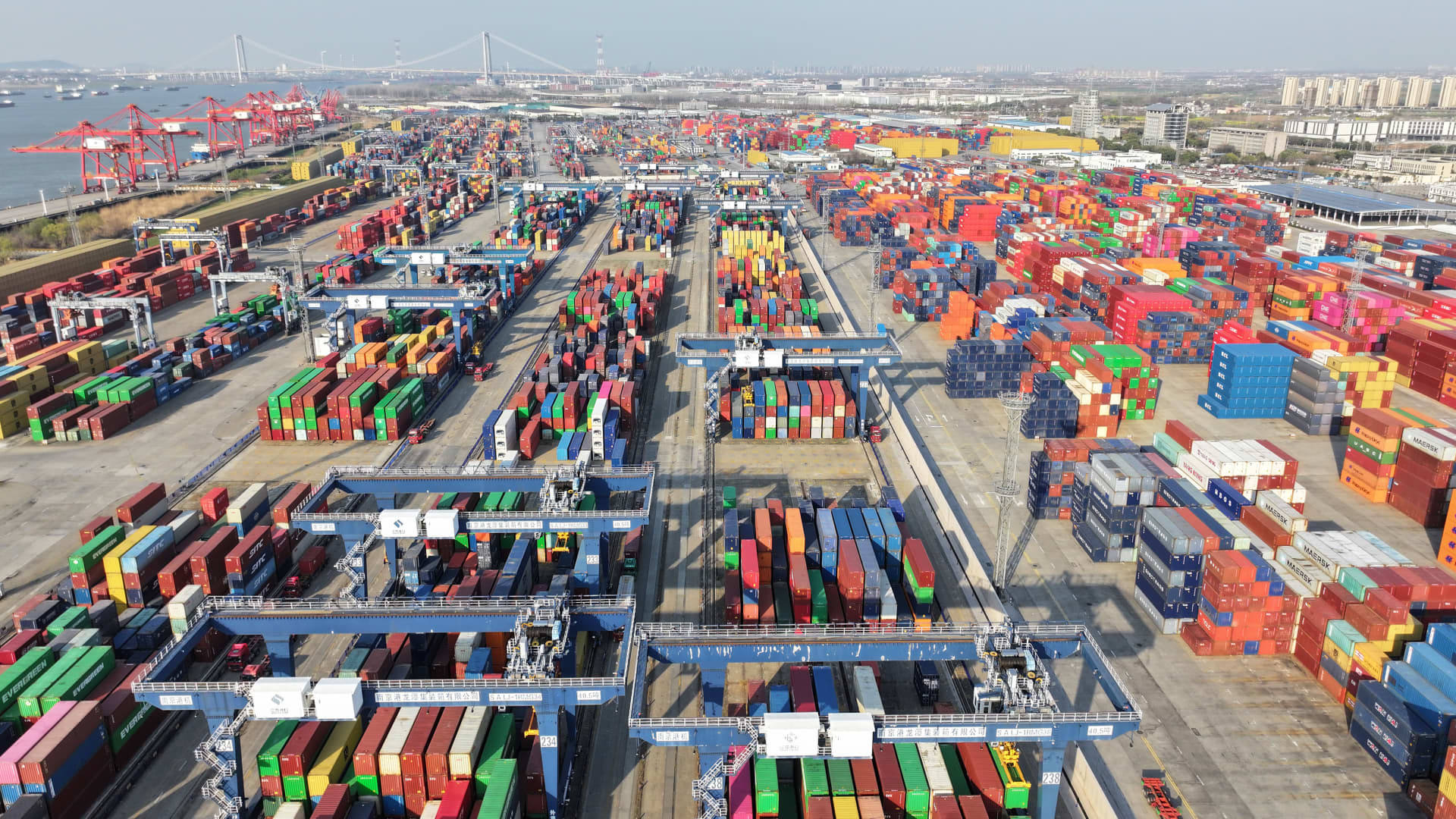
The $1 Trillion Trade Wall: How Trump’s Tariffs Are Reshaping Global Commerce
Former President Donald Trump’s aggressive tariff policies have effectively built a $1 trillion trade barrier around the U.S. economy, triggering seismic shifts in global supply chains and domestic markets. Since 2016, successive waves of import taxes have affected over 20,000 products from 60 countries, with recent proposals threatening to expand coverage to all Chinese imports. This protectionist strategy aims to revive American manufacturing but risks triggering inflation, trade wars, and supply chain disruptions that could reshape the global economic landscape for years to come.
The Anatomy of America’s Trade Fortress
The Trump administration’s tariff architecture rests on three pillars: Section 301 tariffs targeting Chinese technology transfers (25% on $250 billion in goods), Section 232 national security tariffs on steel (25%) and aluminum (10%), and Section 201 safeguards on washing machines and solar panels. According to Tax Foundation analysis, these measures have created the highest U.S. tariff burden since 1993, with:
- $78 billion in new annual import taxes collected
- 6.5% average tariff rate on Chinese goods versus 3% pre-2018
- 23% projected increase in consumer prices for affected electronics
“This isn’t just a trade policy—it’s economic shock therapy,” explains Dr. Linda Chen, senior fellow at the Peterson Institute for International Economics. “The administration is gambling that short-term pain will force supply chains to relocate from China to North America, but the transition costs could outweigh benefits for a decade.”
Domestic Winners and Losers Emerge
While the tariffs have boosted some sectors, the economic impacts reveal stark disparities. U.S. steel producers like Nucor reported record $7.3 billion revenues in 2023, while downstream manufacturers using steel saw profits decline 14% according to Census Bureau data. The policy has created clear beneficiaries:
- Winners: Aluminum smelters (+18% capacity utilization), solar panel manufacturers (7 new factories since 2022), heavy equipment makers
- Losers: Auto parts suppliers (23% input cost increase), retailers (4.5% average price hike on consumer goods), agricultural exporters facing retaliatory tariffs
Midwestern soybean farmer Jim Peterson illustrates the collateral damage: “China bought 60% of our crop before tariffs—now we’re storing beans in grain bags and praying for trade deals. The math doesn’t work long-term.”
Global Supply Chains Scramble to Adapt
The tariffs have accelerated a tectonic shift in manufacturing geography. ASEAN nations have seen foreign direct investment jump 34% as companies establish “China+1” production strategies. Vietnam’s exports to the U.S. grew 18% annually since 2020, while Mexico became America’s top trading partner in 2023, surpassing China for the first time in two decades.
However, supply chain consultant Rajiv Mehta cautions: “Reshoring isn’t happening as predicted. Most firms are just moving final assembly to Mexico or Southeast Asia—the components still come from China. The tariffs created a $12 billion paperwork industry for tariff engineering without always changing production geography.”
The Inflation Equation
Federal Reserve data shows tariff-related costs contributed 0.8 percentage points to core inflation in 2023. While some industries absorbed costs initially, a National Bureau of Economic Research study found 90% of tariffs eventually passed to consumers. Notable price impacts include:
- Washing machines: 12% price increase post-tariff
- Bicycles: Average retail price up $75 since 2018
- Construction materials: 5.5% cost bump for residential builders
Former Walmart CEO Bill Simon warns: “When you tax every container from China, you’re essentially taxing every American household. The math shows these tariffs function as a regressive consumption tax hitting lower incomes hardest.”
Geopolitical Fallout and Trade Wars
Retaliatory measures have hit U.S. exports hard, with China imposing 25% tariffs on $110 billion worth of American goods. The agricultural sector absorbed the heaviest blows:
- Soybean exports to China fell 75% initially before partial recovery
- Lobster exports to China dropped 90% in 2019
- Whiskey exports to EU declined 33% post-retaliation
The Biden administration maintained most Trump-era tariffs while pursuing targeted exclusions, creating policy whiplash for businesses. As trade expert Claudia Dumont notes: “Companies now operate in permanent uncertainty—will tariffs stay for 4 years or 40? This limbo state may be more damaging than the tariffs themselves.”
What Comes Next for the Trade Wall?
With Trump proposing universal 10% tariffs if reelected, economists project potential outcomes:
- Short-term: Additional $300 billion annual consumer costs (Tax Foundation)
- Medium-term: Possible 3% GDP reduction from trade war escalation (IMF models)
- Long-term: Potential reshoring of 500,000 manufacturing jobs by 2030 (BCG estimate)
As the 2024 election approaches, businesses face critical decisions. Supply chain consultant Mehta advises: “Smart companies aren’t waiting for political resolution—they’re building tariff resilience through nearshoring, inventory buffers, and product redesigns.” Whether America’s $1 trillion trade wall becomes a temporary barrier or permanent economic architecture may depend on voters’ appetite for protectionism’s costs and consequences.
For ongoing coverage of trade policy impacts, subscribe to our industry newsletter for weekly analysis and regulatory updates.
See more CCTV News Daily