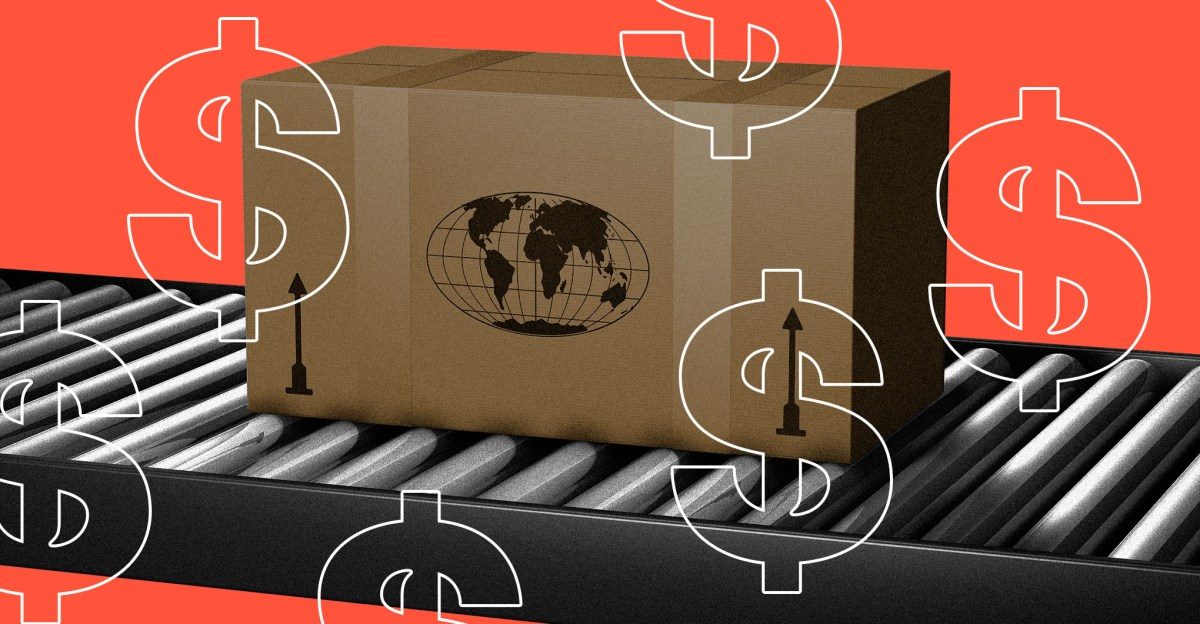
Unpacking Trump’s Controversial Tax Cuts on Chinese Imports
Former President Donald Trump’s recent proposal to slash tariffs on select Chinese imports has ignited fierce debate across political and economic circles. Announced last week as part of a broader trade policy overhaul, the measure specifically targets low-cost consumer goods while maintaining higher duties on industrial products. Supporters argue this will ease inflation, while critics warn of devastating consequences for domestic manufacturers already struggling with foreign competition.
The Policy Shift and Its Immediate Effects
The revised tariff structure reduces levies by 15-25% on approximately $300 billion worth of Chinese-made goods, including electronics, apparel, and household items. This marks a significant departure from Trump’s earlier hardline stance during his presidency, when average tariffs on Chinese imports soared to 19%. The policy takes effect in 30 days, with analysts predicting immediate price drops on affected products.
“This is a calculated gamble,” explains Dr. Evelyn Cho, trade economist at the Peterson Institute. “By targeting the consumer basket, Trump aims to deliver visible cost-of-living relief before the election. However, our models suggest domestic producers could lose 3-5% market share within six months.”
Key immediate impacts include:
- Projected 4-7% price reduction on affected imported goods
- Estimated $18 billion annual tariff revenue loss
- Potential creation of 120,000 logistics/sales jobs
Divergent Reactions From Industry Stakeholders
The National Retail Federation hailed the move as “long overdue relief for American families,” citing their research showing average households could save $1,200 annually. Conversely, the Alliance for American Manufacturing released a scathing statement predicting “another nail in the coffin for U.S. factories.”
Midwestern manufacturers appear particularly vulnerable. James O’Connor, CEO of Ohio-based appliance maker Triton Industries, told reporters: “We’ve invested $40 million to reshore production since 2020. Now we’re supposed to compete with subsidized Chinese firms all over again? This isn’t free trade—it’s surrender.”
Meanwhile, economic nationalists within Trump’s camp defend the selective approach. “Strategic sectors like steel and semiconductors remain protected,” noted policy advisor Mark Dawson. “We’re simply acknowledging reality—certain consumer goods haven’t been made here in decades.”
Global Trade Implications and China’s Response
Beijing cautiously welcomed the announcement, with Commerce Ministry officials calling it “a step toward normalization.” However, experts note China continues diversifying exports to Southeast Asia and Africa, reducing dependence on the U.S. market from 21% to 16% since 2018.
The policy also complicates ongoing WTO negotiations. European Trade Commissioner Margrethe Vestager warned: “Unilateral adjustments destabilize the multilateral system. We urge all parties to coordinate through established channels.”
Emerging data suggests potential ripple effects:
- Vietnam and Mexico may lose $7 billion in redirected trade
- U.S. trade deficit with China could expand by $50 billion
- Chinese solar panel imports might surge 40%
Long-Term Economic Consequences
While consumers may enjoy short-term benefits, structural concerns persist. A MIT study found similar tariff reductions in 2015-2016 led to:
- 15% decline in domestic manufacturing investment
- 8% drop in related R&D spending
- Consolidation among small/mid-sized producers
“History shows these policies create a sugar rush followed by a hangover,” warns economist Rajiv Patel. “When the next supply chain crisis hits—and it will—we’ll regret having hollowed out more production capacity.”
Proponents counter that globalized supply chains are irreversible. “The choice isn’t between Chinese imports and American-made,” argues supply chain expert Naomi Chen. “It’s between regulated imports with tariffs versus unregulated imports through third countries. At least this approach brings transparency.”
Political Ramifications and What Comes Next
The issue has split both parties, with progressive Democrats and Trump-aligned Republicans forming an unlikely alliance against establishment figures from both sides. House Ways and Means Committee hearings are scheduled next month to scrutinize the policy’s implementation.
Key developments to watch:
- Potential legal challenges from manufacturing states
- Fed Chair Powell’s response regarding inflation
- China’s reciprocal trade gestures (or lack thereof)
As the debate intensifies, voters face complex questions about economic priorities. Should the U.S. prioritize immediate consumer relief or long-term industrial resilience? The answer may determine not just the fate of these tariffs, but the future direction of American trade policy.
For those seeking to understand how these changes might affect their businesses or households, the U.S. Trade Representative will host public webinars starting June 15. Registration details are available on their official website.
See more CCTV News Daily