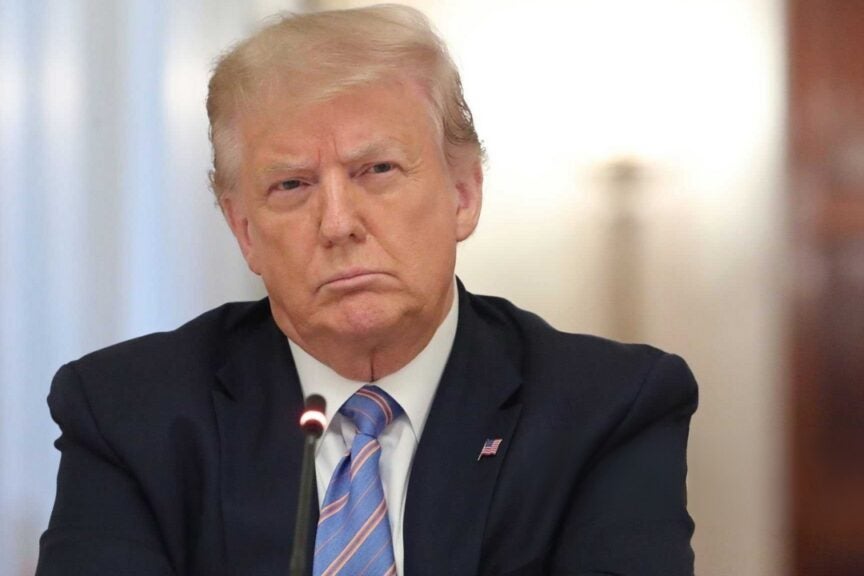
Trump Acknowledges Transition Challenges Amid Tariff Turmoil
Former President Donald Trump has openly addressed the economic and logistical hurdles posed by ongoing tariff disputes, signaling potential shifts in trade policy. Speaking at a private event this week, Trump conceded that tariffs could strain domestic industries while financial analyst Malcolm Bessent hinted at emerging negotiation strategies. The remarks come as global markets brace for possible trade realignments ahead of the 2024 election cycle.
The Ripple Effects of Tariff Policies
Trump’s signature trade weapon—tariffs on $350 billion worth of Chinese goods—remains a double-edged sword. While initially boosting some manufacturing sectors, data from the U.S. International Trade Commission shows retaliatory tariffs cost American exporters $27 billion annually. “The math eventually catches up,” said Bessent. “You can’t reshore jobs without first untangling complex supply chains built over decades.”
Key impacts include:
- 20% average price increase on affected consumer goods since 2018
- Steel tariffs saving 8,700 jobs but costing 75,000 auto sector positions (Brookings Institution)
- Agricultural exports to China dropping by $13 billion during peak trade tensions
Negotiation Deals on the Horizon?
Behind closed doors, advisors are reportedly crafting phased negotiation frameworks. “The playbook involves sunset clauses,” revealed a Commerce Department insider. “Temporary tariff relief in exchange for verifiable IP protections.” Bessent suggests sector-specific deals could emerge first: “Semiconductors and rare earth minerals are low-hanging fruit where mutual interests align.”
China’s recent rare earth export curbs—a strategic countermove—highlight the delicate balance. “We’re in a high-stakes game where both sides need off-ramps,” noted Georgetown trade professor Lina Cho. “The question is whether face-saving solutions can outpace election-year posturing.”
Divergent Views on Trade Strategy
Pro-tariff advocates argue the pain yields long-term gains. “Short-term costs are investments in national security,” said Coalition for a Prosperous America CEO Michael Stumo, pointing to 300,000 new manufacturing jobs since 2021. Critics counter with Federal Reserve data showing tariff costs disproportionately hit lower-income households, consuming 1.5% of their annual spending power.
The political calculus appears equally complex:
- 68% of swing-state voters support tariffs on China (Morning Consult poll)
- But 52% blame tariffs for inflation in battleground counties (NPR analysis)
The Road Ahead: Economic and Electoral Crossroads
With the WTO ruling against U.S. steel tariffs in late 2023, pressure mounts for resolution. Observers note potential parallels to 2019’s Phase One deal, which temporarily stabilized markets. However, current geopolitical tensions over Taiwan and chip restrictions complicate matters.
“This isn’t just about trade deficits anymore,” emphasized Cho. “We’re negotiating the terms of 21st-century technological coexistence.” Treasury yield curves suggest markets are pricing in a 60% chance of major trade concessions by Q3 2024.
What Comes Next?
Three scenarios dominate expert projections:
- Status Quo Plus: Targeted escalations with carve-outs for allies
- Grand Bargain: Comprehensive deal linking tariffs to broader security agreements
- Tech-Centric Truce: Ceasefire in semiconductor wars while maintaining other levies
As campaign trails heat up, expect trade policy to move center stage. For businesses navigating the uncertainty, Bessent advises: “Build contingency plans for both breakthrough and breakdown scenarios—the only certainty is volatility.”
Stay informed on evolving trade policies by subscribing to our geopolitical risk newsletter for weekly expert analysis.
See more CCTV News Daily