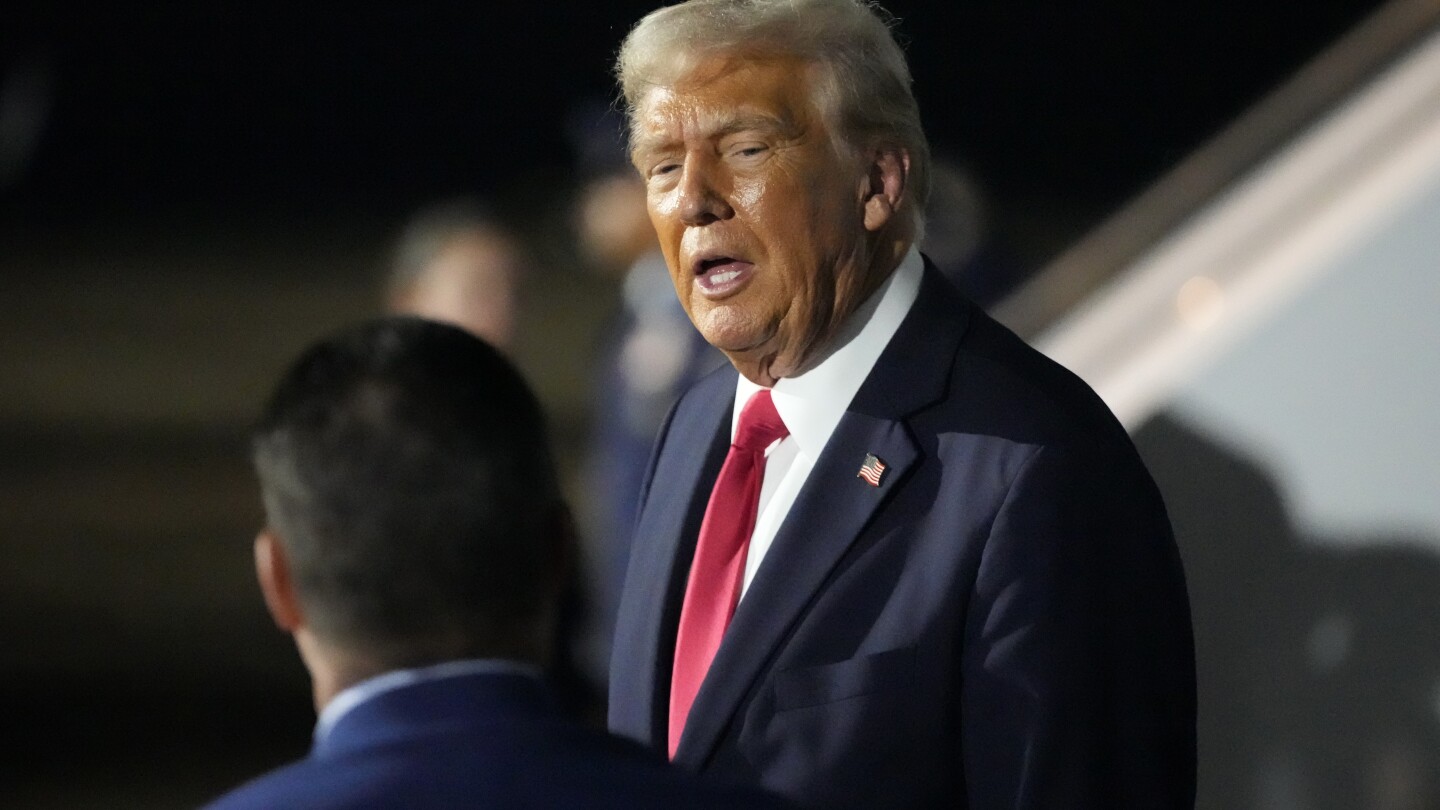
Trump Orders Halt to Penny Production Amid Rising Costs
In a surprising move, former President Donald Trump has instructed the U.S. Treasury to cease the minting of new pennies. This unprecedented decision has sparked a flurry of discussions regarding the implications for America’s currency system and the broader economy. As production costs continue to rise, the question arises: what does this halt in penny production mean for the future of small denominations and everyday transactions?
The Rationale Behind the Decision
The decision to halt penny production comes amidst increasing concerns about the costs associated with minting these small coins. According to reports, the production cost of a penny has surpassed its face value, meaning it costs more to produce than the monetary worth it represents. In recent years, the U.S. Mint has faced skyrocketing expenses related to materials, labor, and energy, leading to a growing debate about the practicality of continuing penny production.
Trump’s directive reflects a broader trend observed in various economies around the world. Many countries have already eliminated low-denomination coins from circulation. For instance, Canada phased out its penny in 2013, citing similar financial concerns. As the U.S. grapples with its own economic realities, this decision might pave the way for other countries to reconsider the viability of their smallest denominations.
Economic Implications of Ceasing Penny Production
The halt in penny production could have several far-reaching economic implications:
- Inflation and Price Rounding: One immediate effect could be the rounding of prices. Without pennies, retailers may need to round prices to the nearest five cents, which could lead to subtle inflationary pressures. For example, an item priced at $1.02 could become $1.00 or $1.05, affecting consumer spending habits.
- Changes in Cash Transactions: As fewer pennies circulate, consumers may increasingly turn to digital payment methods. This shift could accelerate the trend towards a cashless society, where transactions are conducted via credit cards or mobile payment systems.
- Impact on Charities and Donations: Many charitable organizations rely on penny drives and donations of small change. A reduction in penny circulation might hinder these initiatives, impacting the ability of non-profits to fund their programs.
- Job Losses in Minting Operations: The decision could potentially lead to job losses in the minting industry. If production of small denominations is halted, workers involved in the minting process may face unemployment or a shift in job responsibilities.
Public Sentiment and Reaction
The public’s reaction to Trump’s order has been mixed. Some citizens support the measure, arguing that pennies are cumbersome and often considered more of a nuisance than a valuable form of currency. They believe that eliminating the penny could streamline transactions and make cash payments more efficient.
On the other hand, a significant portion of the population remains attached to the idea of the penny. For many, the penny symbolizes a connection to history and tradition. It’s not uncommon for people to collect pennies or use them for small purchases. The emotional connection to these coins cannot be overlooked and may influence public discourse as this decision unfolds.
Alternatives to Penny Production
With the halt to penny production, discussions about alternatives are becoming increasingly relevant. Here are some potential strategies that could be implemented:
- Encouraging Digital Payments: As cash transactions decline, promoting digital payment methods could become a priority. This shift not only reduces the need for small coins but also enhances security and convenience for consumers.
- Adopting a New Currency Structure: Governments could explore restructuring their currency systems, potentially introducing new denominations that better reflect current economic conditions. This might include the creation of a $2 coin or a more substantial increase in the value of existing coins.
- Community Initiatives: To offset the impact on charities, communities could initiate programs to encourage donations through alternative means, such as online fundraising or community events that promote larger contributions.
The Future of Small Denominations
As the U.S. Treasury halts penny production, the future of small denominations remains uncertain. Experts suggest that the trend towards eliminating low-value coins may continue as production costs rise and consumer habits evolve. The U.S. currency system may be on the brink of significant transformation.
Global Perspectives on Low-Denomination Coins
The situation in the United States mirrors trends seen globally. Several countries have successfully eliminated their smallest coins:
- Canada: As mentioned earlier, Canada ceased penny production in 2013. The transition was smooth, with minimal backlash from the public, indicating a willingness to adapt to new payment systems.
- Australia: In 1992, Australia eliminated its one and two-cent coins. As a result, prices were rounded to the nearest five cents, leading to a more streamlined currency system.
- New Zealand: New Zealand followed suit in 1989 by eliminating its one and two-cent coins, further demonstrating a successful transition away from low-denomination currency.
These examples provide valuable insight into how the U.S. might navigate its own transition. While there may be initial resistance, the long-term benefits of a more efficient currency system could outweigh the challenges.
Conclusion: Embracing Change in the Currency System
In conclusion, Trump’s order to halt penny production amid rising costs marks a pivotal moment in the discussion about the future of small denominations in the U.S. economy. The decision carries significant implications, from potential inflationary pressures to shifts in consumer behavior and charitable donations. While the emotional connection to pennies remains strong, the practical considerations of a changing economic landscape may ultimately guide public sentiment toward embracing a new currency paradigm.
As the nation navigates this transition, it is essential to consider both the historical significance of coins like the penny and the need for an efficient and modern currency system. The future of small denominations may be uncertain, but one thing is clear: change is on the horizon, and it could reshape the way we think about money in America.
See more CCTV News Daily