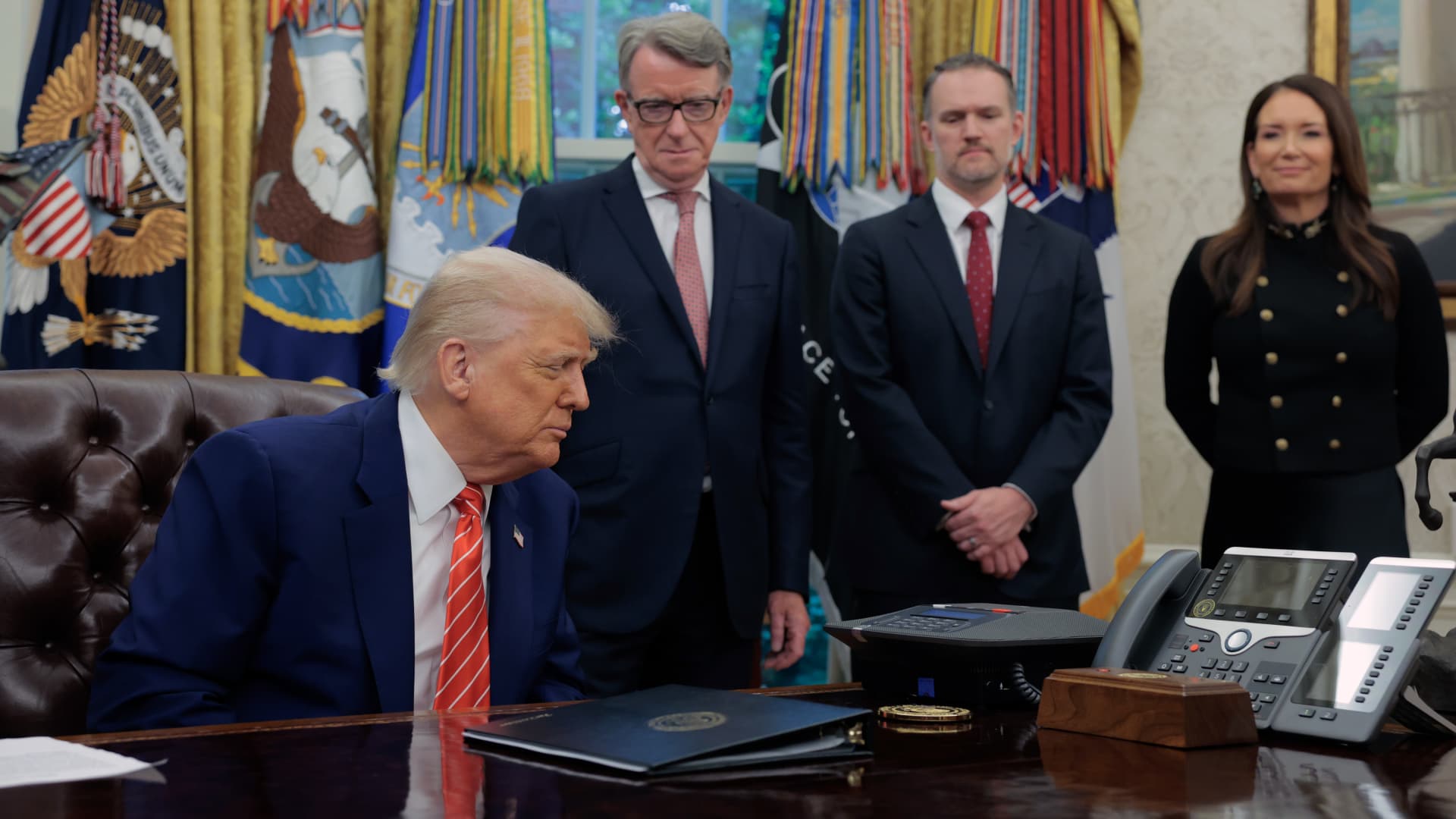
Trump’s UK Trade Agreement: A Bold Move or a Stubborn Standoff?
In a decisive move that could reshape transatlantic commerce, former U.S. President Donald Trump has finalized a trade agreement with the UK, maintaining a contentious 10% tariff on key imports. The deal, struck this week after months of negotiations, aims to protect domestic industries but risks escalating trade tensions. Analysts warn the arrangement may strain economic relations while supporters argue it strengthens national interests.
The Anatomy of the Agreement: Key Provisions and Immediate Impacts
The newly minted pact preserves tariffs on $3.4 billion worth of UK steel and aluminum exports to the U.S., a holdover from Trump’s 2018 Section 232 national security measures. In exchange, Britain gains limited access to American agricultural markets, with quotas allowing:
- 15% increase in British cheese exports
- 10,000 additional metric tons of lamb imports
- Reduced barriers for Scotch whisky producers
Commerce Department data reveals the tariffs have already altered trade flows, with UK steel exports to the U.S. dropping 28% since 2020. “This isn’t a free trade agreement—it’s a managed trade compromise,” notes Georgetown University trade economist Dr. Elena Rodriguez. “Both sides are walking a tightrope between protectionism and pragmatism.”
Divergent Perspectives on Economic Strategy
Proponents argue the deal safeguards critical industries. “Maintaining these tariffs ensures our steelworkers can compete on a level playing field,” asserts former U.S. Trade Representative Robert Lighthizer in a recent op-ed. The American Iron and Steel Institute reports domestic production capacity utilization has risen to 82%, up from 77% pre-tariffs.
However, British manufacturers paint a different picture. The UK Steel Alliance estimates the tariffs have cost their industry £600 million annually. “This agreement locks in disproportionate pain for symbolic gains,” contends Birmingham-based industrialist Sarah Chenworth. “We’re essentially paying to preserve a political narrative.”
The Geopolitical Calculus Behind the Deal
Beyond economics, the agreement carries strategic weight. By maintaining the tariffs, the U.S. signals continued hardline trade policies ahead of potential political shifts. Meanwhile, the UK secures stability during its post-Brexit transition, though at significant cost.
A recent Chatham House analysis highlights three critical geopolitical factors:
- Coordinated approach to Chinese steel dumping
- Preservation of intelligence-sharing frameworks
- Alignment on Russian sanctions enforcement
“Trade deals are never just about trade,” observes former UK trade negotiator James Fowler. “This maintains the special relationship’s architecture while allowing both sides to save face domestically.”
Potential Ripple Effects Across Global Markets
The sustained tariffs may trigger wider consequences. The European Union has already threatened proportional countermeasures, with Brussels preparing 25% duties on $4 billion of U.S. goods. Emerging markets could follow suit—India recently hinted at revising its own steel export strategies.
Market analysts identify several vulnerable sectors:
- Automotive: 18% of UK-built luxury vehicles face U.S. import taxes
- Aerospace: Titanium supply chains may need restructuring
- Renewables: Wind turbine component costs could rise 7-12%
Future Outlook: Temporary Truce or Lasting Framework?
Most experts view this as an interim solution rather than a comprehensive pact. The agreement includes a sunset clause requiring renegotiation in 2026, coinciding with potential leadership changes in both nations.
Oxford Economics projects two possible scenarios:
- Status quo: Tariffs remain with minor adjustments, costing UK GDP 0.3% annually
- Breakthrough: Future administration lifts tariffs, boosting bilateral trade by $9 billion
For businesses navigating this landscape, the advice is clear: “Diversify your supply chains now,” urges Global Trade Advisory firm partner Michael Yates. “These tariffs won’t disappear overnight, but they won’t define the next decade either.”
As the dust settles, all eyes turn to November’s elections and their potential to reshape this delicate economic balancing act. Readers seeking deeper analysis can access our interactive trade flow dashboard tracking real-time impacts across industries.
See more CCTV News Daily