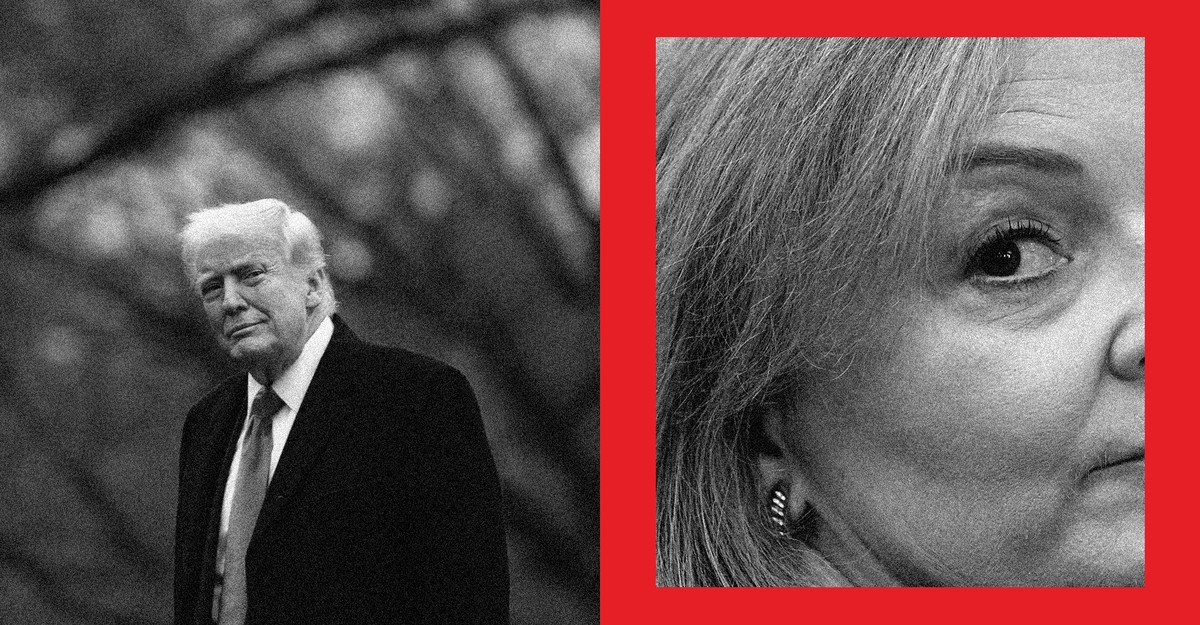
How Trump’s Policies Could Elevate the U.S. Economy’s ‘Moron Premium’
Former President Donald Trump’s economic policies, if reinstated, could amplify what analysts term the “moron premium”—a market phenomenon where uncertainty and volatility drive up costs for businesses and consumers. Experts warn that aggressive tariffs, deregulation, and unpredictable fiscal measures may unsettle global markets, forcing investors to price in higher risks. This article examines the potential ripple effects on trade, inflation, and long-term economic stability.
Understanding the ‘Moron Premium’ Phenomenon
The term “moron premium”, coined by economists during Trump’s first term, refers to the added costs borne by markets due to policy unpredictability. For instance, the 2018-2019 trade wars with China triggered a 0.3% drop in U.S. GDP and raised consumer prices by $1.4 billion monthly, according to the Tax Foundation. “When policies shift abruptly, businesses hedge with higher prices or delayed investments,” explains Dr. Laura Chen, a Harvard economist. “That’s the moron premium in action.”
Key Policies Fueling Economic Uncertainty
Trump’s proposed strategies include:
- Across-the-board tariffs: A 10% universal levy on imports, which the Peterson Institute estimates could cost 500,000 U.S. jobs.
- Tax cuts extension: While popular, the 2017 cuts ballooned the deficit to $984 billion in 2019, per CBO data.
- Deregulation push: Rollbacks in environmental and financial oversight may spur short-term growth but increase systemic risks.
Market Reactions and Business Sentiment
Corporate leaders express cautious concern. “Volatility is the enemy of long-term planning,” says Mark Richardson, CEO of a Midwest manufacturing firm. “Our supply chain costs jumped 12% last time tariffs hit.” Meanwhile, the S&P 500’s volatility index (VIX) spiked 25% during prior Trump-era trade disputes, reflecting investor anxiety.
Consumer Impact: Higher Prices and Strained Budgets
Tariffs and inflation could hit households hard. The Brookings Institution projects a $2,000 annual increase in expenses for median-income families if Trump’s trade policies return. Essential goods like electronics and apparel, heavily reliant on imports, would face immediate price hikes.
Divergent Views: Supporters vs. Critics
Proponents argue Trump’s approach strengthens U.S. leverage. “Tough negotiations secure better deals,” asserts political strategist Tom Harris. Critics, however, cite the U.S.-Mexico-Canada Agreement (USMCA), which the International Trade Commission found would grow GDP by just 0.35% over six years—far below promises.
Global Implications and Diplomatic Strains
Allies and adversaries alike may retaliate. The EU previously imposed $3.6 billion in counter-tariffs on U.S. goods, while China’s 25% tariffs on soybeans crippled Midwest farmers. “Trade wars aren’t easily won; they’re mutually destructive,” notes former WTO director Pascal Lamy.
The “moron premium” underscores a broader debate: Can aggressive nationalism coexist with global economic stability? As election rhetoric heats up, businesses are advised to stress-test scenarios. For voters, the question is whether short-term gains outweigh long-term risks. Follow our ongoing analysis for updates on policy developments and market trends.
Call to Action: Stay informed—subscribe to our newsletter for expert insights on how political shifts impact your wallet.
See more CCTV News Daily