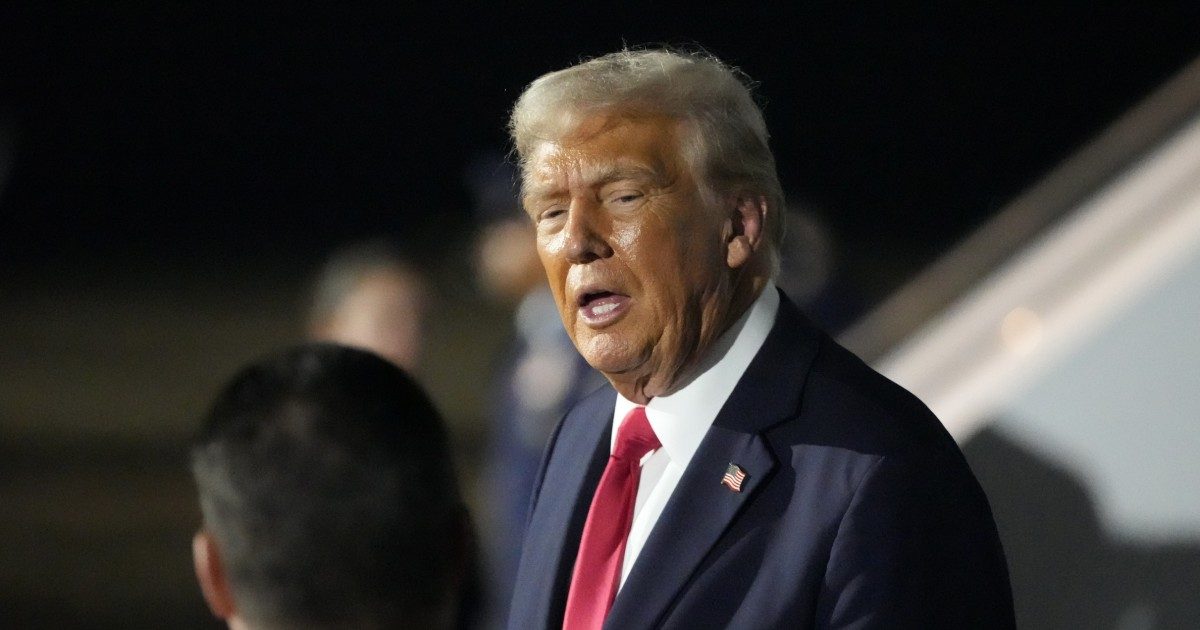
Trump’s Bold Move: U.S. Treasury to Halt New Penny Production Amid Cost Concerns
In a surprising announcement, former President Donald Trump has directed the U.S. Treasury to cease the minting of new pennies. This decision comes amid rising production costs that have increasingly drawn scrutiny from economists and policymakers alike. With the cost of producing a penny now exceeding its face value, the move raises significant questions about the future of American currency and its role in the economy.
Understanding the Costs of Penny Production
The decision to halt penny production stems from the stark reality that it costs more to make a penny than the coin is worth. As of recent reports, it costs approximately 2.1 cents to produce a single penny, when considering the expenses of materials, labor, and manufacturing. This has led to a growing consensus that the penny is an economic liability rather than an asset.
Several factors contribute to these rising costs:
- Material Prices: The primary component of the penny is zinc, which has seen fluctuating prices in the commodities market. Additionally, the alloy composition has changed over the years, impacting production costs.
- Manufacturing Expenses: Labor costs and operational expenses at the U.S. Mint continue to rise, further straining the production budget for low-value coins.
- Technological Changes: As technology evolves, the production process may require updates and improvements that come at a higher cost.
The Economic Implications of Halting Penny Production
Trump’s decision marks a pivotal shift in U.S. monetary policy, prompting a deeper examination of the role of low-denomination coins in the economy. By halting the minting of new pennies, the U.S. Treasury is not only addressing cost concerns but also initiating a broader conversation about currency relevance in contemporary society.
Here are some potential economic implications:
- Inflationary Pressure: As the production of pennies ceases, there could be an indirect effect on inflation. Retailers may round prices in a way that could slightly increase costs for consumers.
- Changes in Consumer Behavior: Consumers may start to see fewer pennies in circulation, leading to changes in how they perceive small-value transactions. This could encourage a shift toward digital payments.
- Impact on Collectors: Coin collectors may find the cessation of penny production increases the value of existing pennies, particularly older or rare editions.
The Future of Currency: Are Pennies Obsolete?
The decision to halt penny production raises the question: are pennies becoming obsolete? In many parts of the world, countries have already eliminated low-denomination coins. For example, Canada stopped producing its penny in 2012, leading to a smoother transition toward rounding transactions to the nearest five cents.
In the U.S., the debate around the penny is not new. Advocates for eliminating the penny argue that it is a waste of resources and time, while opponents cite the cultural significance and the potential impact on low-income individuals who rely on every cent. As the economy evolves, it may be time to reevaluate the necessity of maintaining such low-denomination currency.
Public Reaction and Political Ramifications
The announcement has sparked a mixed reaction from the public and political spheres. Supporters of Trump’s decision view it as a pragmatic approach to modernize the currency system, while critics argue that it could disproportionately affect certain demographics.
Here are some reactions to consider:
- Support for Modernization: Many economists and business owners support the decision, claiming it streamlines transactions and reduces the burden of handling pennies.
- Concerns for Vulnerable Populations: Community advocates express concern that eliminating the penny could harm low-income families who rely on every cent. They argue that rounding practices could lead to higher prices for essential goods.
- Political Debate: This decision may reignite debates within Congress regarding monetary policy and the future of U.S. currency. It could lead to proposals for broader currency reform.
Exploring Alternatives to the Penny
As the U.S. Treasury considers halting penny production, discussions around alternatives are becoming increasingly relevant. One potential solution could be the implementation of a digital currency, which could streamline transactions and reduce the need for physical coins.
Some alternatives to consider include:
- Digital Payments: The growing trend toward cashless transactions suggests that many consumers may prefer using credit cards or mobile payment systems over handling coins.
- Rounding Systems: Implementing a rounding system for transactions, similar to what Canada has done, could help transition consumers away from the necessity of pennies.
- Encouraging Savings Programs: Programs that allow consumers to round up purchases and save the difference could promote savings while reducing the need for small coins.
Conclusion: A Step Towards Economic Efficiency
Trump’s bold move to halt penny production represents a significant shift in U.S. currency policy, one that may pave the way for a more efficient economic system. As production costs continue to rise and digital transactions become the norm, the future of the penny appears uncertain. This decision not only addresses immediate financial concerns but also encourages a broader discussion about the relevance of low-denomination currency in today’s economy.
Ultimately, the cessation of penny production could symbolize a transformative moment in American financial history—one that embraces efficiency, modernization, and adaptation to a rapidly evolving economic landscape. As we move forward, it will be vital for policymakers to consider the implications of this decision and explore innovative solutions that meet the needs of all Americans.
See more CCTV News Daily