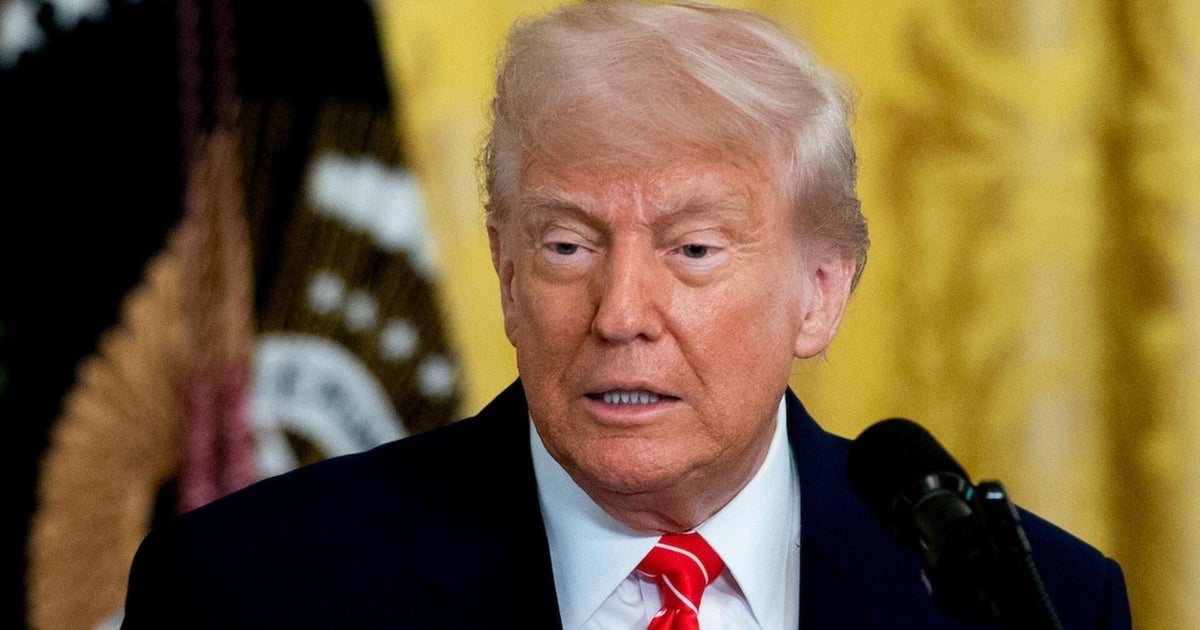
Trump’s Strategic Shift: What’s Behind the New Stance on China Tariffs?
Former President Donald Trump is reportedly reconsidering his hardline tariff policies on Chinese imports, signaling a potential shift in trade strategy as he eyes a 2024 White House bid. The unexpected pivot, discussed in recent interviews and private meetings, could reshape U.S.-China economic relations and alter global supply chains. Analysts suggest the move aims to balance voter concerns over inflation with geopolitical competitiveness.
Decoding the Tariff Reassessment
Trump’s original 2018-2019 tariffs imposed duties on over $370 billion of Chinese goods, escalating trade tensions. However, recent remarks indicate openness to adjustments. “Tariffs are a tool, not a religion,” Trump told conservative commentators last week, emphasizing “better deals” rather than blanket rates. Internal campaign documents leaked to The Wall Street Journal propose tiered tariffs targeting specific sectors like EVs and semiconductors while reducing consumer goods duties.
Key drivers behind the shift:
- Economic pressures: Studies show tariffs cost U.S. households $1,300 annually (Tax Foundation, 2023)
- Electoral calculus: Swing-state voters rank inflation as a top concern (Pew Research, June 2024)
- Strategic competition: Focus shifts to limiting China’s tech advancement versus broad trade war
Industry Reactions and Economic Impacts
Manufacturers and retailers express cautious optimism. “Targeted tariffs could ease input costs without sacrificing leverage,” notes Linda Chen, a trade analyst at the Peterson Institute. However, steel and aluminum producers warn against concessions. The U.S. Chamber of Commerce reports 78% of members support maintaining “at least some” China tariffs.
Agricultural sectors remain divided:
- Soybean farmers seek reduced tariffs to regain Chinese market share (down 37% since 2018)
- Tech firms advocate keeping restrictions on Huawei and SMIC while easing component duties
Geopolitical Calculus Behind the Scenes
Behind closed doors, advisers frame the shift as “asymmetric reciprocity” – lowering tariffs where China holds pricing power (e.g., consumer electronics) while strengthening protections in strategic areas. “This isn’t softening; it’s sharpening the knife,” argues former USTR official Robert Lighthizer in a recent policy paper.
China’s response has been measured. Commerce Ministry statements emphasize “mutually beneficial adjustments,” though analysts detect skepticism. “Beijing will wait to see if campaign rhetoric becomes policy,” says CSIS China expert Scott Kennedy.
Potential Consequences for Global Trade
The proposed changes could ripple through international markets:
- EU may reassess its own China trade safeguards
- ASEAN nations could gain export opportunities in consumer goods
- U.S. inflation might ease by 0.5-1.2% (Moody’s Analytics projection)
However, risks persist. “Piecemeal adjustments could create new supply chain uncertainties,” warns Harvard economist Dani Rodrik. The Peterson Institute estimates 15% of affected industries would face complex compliance burdens under a tiered system.
Looking Ahead: Election-Year Trade Policy
With six months until the election, Trump’s team appears to be testing messages. A recent Marquette Law poll shows 52% of voters support “smarter, not higher” tariffs. The Biden campaign counters that any rollback rewards Chinese economic coercion.
Key developments to watch:
- July 15: Deadline for USTR’s four-year tariff review
- August GOP convention platform language on trade
- China’s potential pre-election goodwill gestures
As the economic and geopolitical landscape evolves, this strategic recalibration underscores how trade policy remains a live wire in U.S. politics. For ongoing analysis, subscribe to our Trade Policy Watch newsletter.
See more CCTV News Daily