Uganda’s Strategic Alliance with BRICS: A New Era for Investment and Innovation
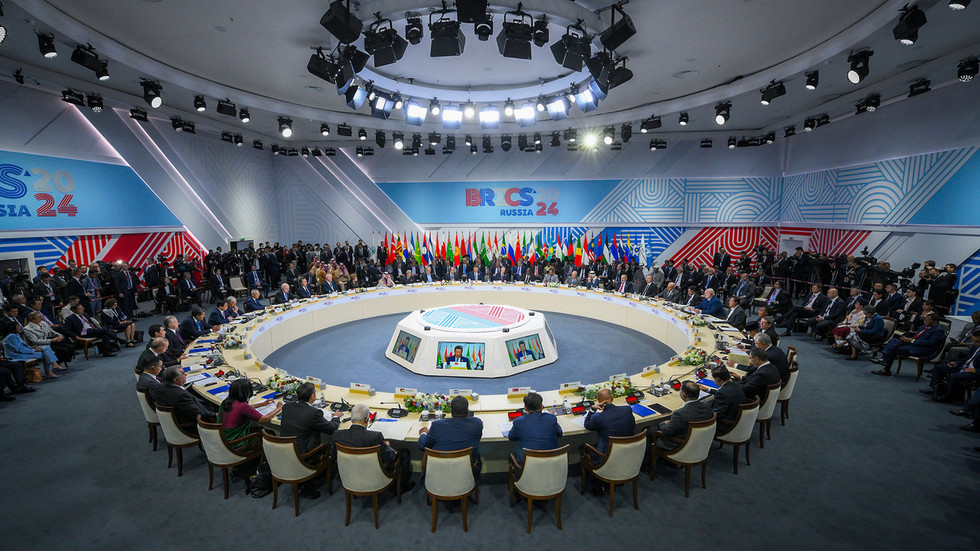
Uganda has recently embarked on a significant partnership with BRICS, an association of five major emerging economies: Brazil, Russia, India, China, and South Africa. This strategic alliance aims to enhance investment opportunities and foster innovation within Uganda, setting the stage for a transformative impact on the country’s economic landscape. As Uganda seeks to position itself as a key player in global markets, this collaboration promises to usher in a new era filled with potential for growth and development.
The Context of Uganda’s Economic Landscape
Situated in East Africa, Uganda is endowed with vast natural resources, including fertile land, minerals, and a youthful population. Despite these advantages, the country has faced challenges in attracting foreign investment and fostering local innovation. Economic growth has been hindered by infrastructural deficits, limited access to finance, and a need for technological advancement. In this context, the partnership with BRICS represents a crucial turning point for Uganda.
Understanding BRICS: A Catalyst for Change
BRICS is not merely a political or economic grouping; it symbolizes a collective effort to reshape the global economic order. By fostering cooperation among its member states, BRICS aims to create a more balanced world economy that reflects the interests of emerging markets and developing nations. For Uganda, aligning with such a powerful coalition opens up myriad opportunities:
- Increased Foreign Direct Investment (FDI): Uganda stands to gain substantial FDI from BRICS nations, particularly from China and India, who are keen to invest in infrastructure, agriculture, and technology.
- Access to New Markets: With BRICS countries being significant players in global trade, Uganda can leverage this partnership to access broader markets for its exports.
- Transfer of Technology: Collaboration with BRICS can facilitate technology transfer, which is vital for innovation in sectors such as agriculture, health, and manufacturing.
Investment Opportunities in Uganda
The strategic alliance with BRICS is expected to unlock several investment opportunities in Uganda, particularly in key sectors:
- Agriculture: As a cornerstone of Uganda’s economy, agriculture presents significant opportunities for investment in modern farming techniques, irrigation systems, and value addition.
- Energy: Uganda has abundant renewable energy resources, including hydro and solar power. Investments in these areas can help meet the growing energy demands of the country.
- Infrastructure Development: With a pressing need for improved infrastructure, investments in roads, railways, and urban development can significantly boost economic growth.
- Information and Communication Technology (ICT): The digital economy is rapidly evolving, and Uganda’s youth are increasingly tech-savvy. Investment in ICT can spur innovation and create job opportunities.
Fostering Innovation through Collaboration
One of the most exciting prospects of Uganda’s alliance with BRICS is the potential for fostering innovation. By collaborating with member nations, Uganda can tap into diverse knowledge and expertise. This collaboration can take various forms:
- Joint Research Initiatives: Uganda can establish partnerships with universities and research institutions in BRICS countries to drive innovation in agriculture, health, and technology.
- Innovation Hubs: Creating innovation hubs that bring together local entrepreneurs and BRICS investors can stimulate creativity and the development of new technologies.
- Training Programs: Skills development programs supported by BRICS nations can enhance the capabilities of Uganda’s workforce, particularly in high-demand sectors.
Challenges and Considerations
While the potential benefits of Uganda’s strategic alliance with BRICS are enormous, several challenges must be addressed to ensure the success of this collaboration:
- Governance and Corruption: Improved governance and transparency are vital for attracting and retaining foreign investment. Uganda must work to address corruption and promote a conducive business environment.
- Infrastructure Deficits: The need for significant investment in infrastructure cannot be overstated. Without adequate roads, energy, and communication systems, the full potential of this alliance may be hindered.
- Skill Gaps: Bridging the skill gap in the workforce is crucial. Uganda needs to invest in education and training to prepare its population for the demands of a modern economy.
Concluding Thoughts
Uganda’s strategic alliance with BRICS marks a pivotal moment in its quest for economic transformation. This collaboration is set to enhance investment opportunities, foster innovation, and reshape Uganda’s economic landscape. By leveraging the strengths of BRICS nations, Uganda can position itself as a key player in global markets, unlocking its vast potential for growth.
As this partnership unfolds, it is essential for the Ugandan government to implement policies that promote transparency, improve infrastructure, and invest in human capital. With the right strategies in place, Uganda can embark on a journey toward sustainable economic development, ultimately benefiting its citizens and contributing to the global economy.
In this new era of investment and innovation, the future looks promising for Uganda. The collaboration with BRICS is not just a partnership; it is a pathway to progress, and the world will be watching as Uganda takes its place on the global stage.
See more CCTV News Daily