UK and India Seal Groundbreaking Free Trade Pact Amid Global Uncertainty
In a historic move set to reshape bilateral commerce, the United Kingdom and India finalized a landmark free trade agreement (FTA) on May 4, 2024, after 14 months of intense negotiations. The deal eliminates tariffs on over 90% of goods traded between the nations while creating new pathways for services, investment, and skilled worker mobility. This strategic partnership emerges as global trade faces unprecedented turbulence from rising protectionism and the specter of Trump-era tariffs returning to the international stage.
Economic Windfall for Both Nations
The UK-India FTA is projected to boost bilateral trade by £36 billion annually by 2030, according to joint economic modeling. Key provisions include:
- Zero tariffs on British whisky and automobiles entering India within 5 years
- Reduced 150% import duty on Scotch whisky to 75% immediately
- Duty-free access for Indian textiles and pharmaceuticals to UK markets
- Mutual recognition agreements for professional qualifications
“This isn’t just about tariffs—it’s about building an innovation bridge between our economies,” said UK Trade Secretary Sarah Munby during the signing ceremony in New Delhi. “For British tech firms and Indian manufacturers alike, this agreement tears down bureaucratic barriers that have stifled growth for decades.”
Strategic Timing Amid Global Trade Headwinds
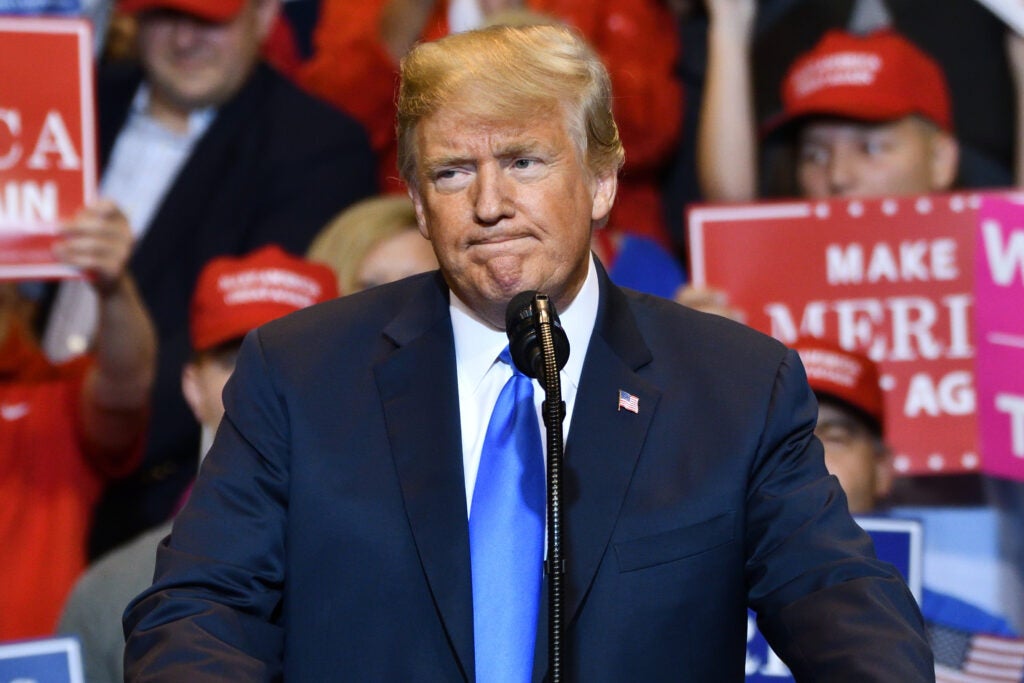
The pact arrives as the World Trade Organization reports a 12% year-on-year decline in global merchandise trade volumes. With former US President Donald Trump leading polls for the 2024 election and threatening 10% universal tariffs, both nations sought to future-proof their economies.
India’s Commerce Minister Piyush Goyal emphasized the defensive benefits: “While others build walls, we’re building highways. This agreement secures supply chains against the protectionist wave sweeping Western economies.” The deal includes unprecedented safeguards allowing temporary tariff reinstatement if either nation faces import surges.
Key Sectors Poised for Transformation
Technology and Services See Major Wins
The services sector—constituting 55% of India’s GDP and 80% of the UK’s—receives special attention. The agreement establishes:
- Easier business visas for Indian IT professionals and UK financial consultants
- Joint cybersecurity research initiatives worth £150 million
- Data localization exemptions for UK fintech firms operating in India
Rupa Subramanya, Chief Economist at the Mumbai-based Centre for Strategic Studies, notes: “The real game-changer is the mobility framework. For the first time, Indian tech workers gain preferential access to UK projects without facing the usual immigration hurdles.”
Manufacturing and Agriculture Face Adjustment Period
While most industries celebrate the deal, some sectors brace for disruption. UK dairy farmers will face immediate 50% tariff reductions on cheese exports to India, but Indian spice producers must now compete with mechanized British herb growers receiving agricultural tech transfer benefits.
“There will be short-term pain for small farmers,” admits Indian Agricultural Secretary Manoj Ahuja. “But the 15-year transition period gives rural economies time to modernize.” The agreement includes a £200 million modernization fund for India’s agricultural sector.
Geopolitical Implications Beyond Economics
The FTA carries significant strategic weight as both nations navigate complex global alliances. By reducing dependence on Chinese supply chains—currently accounting for 15% of UK imports and 14% of India’s—the partners create an alternative trade axis.
Professor James Crabtree of the Lee Kuan Yew School of Public Policy observes: “This isn’t just trade—it’s geopolitics by other means. The UK gains a foothold in the Indo-Pacific strategy, while India secures Western alignment without alienating Moscow.”
The deal includes subtle but important non-trade clauses:
- Joint military technology development protocols
- Clean energy research partnerships targeting carbon-neutral trade by 2040
- Cultural exchange programs to counter Chinese soft power influence
Challenges and Implementation Roadmap
Despite the fanfare, significant hurdles remain. The agreement must clear India’s parliament and UK legislative scrutiny, with Labour Party leaders already demanding stronger labor protections. Implementation will occur in three phases:
- 2024-2026: Immediate tariff reductions on 65% of goods
- 2027-2029: Services sector integration and standards alignment
- 2030+: Full implementation with review mechanisms
Customs infrastructure presents another challenge. India’s ports currently clear UK goods in 85 hours—five times longer than Singapore. The agreement allocates £380 million for port modernization at Mumbai and Chennai.
The Trump Factor and Future Prospects
With the US election looming, both nations hedge against potential trade wars. The agreement’s “third-party contingency clause” allows coordinated responses if either country faces discriminatory tariffs from other nations—a clear nod to Trump’s proposed policies.
As global trade enters a new era of uncertainty, the UK-India pact offers a template for middle powers seeking stability. “This proves nations can write the rules of globalization rather than suffer them,” concludes Munby. The real test begins now—turning parchment promises into prosperity for 1.7 billion combined citizens.
For ongoing coverage of trade policy developments, subscribe to our Global Commerce newsletter for expert analysis delivered weekly.
See more CCTV News Daily