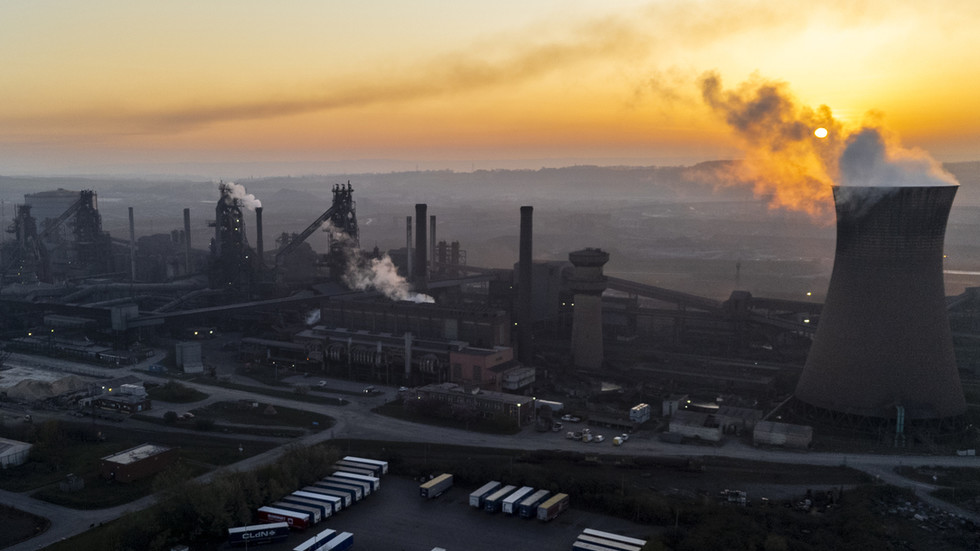
The Future of Steel: UK’s Bold Step Towards Nationalization
In a historic shift, the UK government has announced plans to nationalize the country’s last remaining steel plant, Tata Steel’s Port Talbot facility in Wales. The decision, expected to take effect by mid-2024, aims to safeguard 8,000 jobs and secure a critical industry amid global economic turbulence. This move has ignited fierce debate over economic sovereignty, job security, and the government’s role in strategic sectors.
Why Nationalization? The Driving Forces Behind the Decision
The UK steel industry has faced mounting challenges, including soaring energy costs, international competition, and declining private investment. Port Talbot, which produces nearly 70% of Britain’s steel, has struggled to remain profitable. The government argues that nationalization will ensure long-term stability. “Steel is the backbone of our infrastructure and defense sectors,” said Industry Minister Jonathan Reynolds. “This isn’t just about jobs—it’s about national resilience.”
Key factors behind the decision include:
- Economic Security: Steel is vital for construction, automotive, and renewable energy sectors.
- Global Pressures: Cheap imports, particularly from China, have undercut local production.
- Green Transition: The plant’s shift to low-carbon production requires state-backed funding.
Mixed Reactions: Support and Skepticism
Unions have cautiously welcomed the move. “Workers have faced uncertainty for years. Nationalization could finally provide stability,” said Sharon Graham, General Secretary of Unite. However, critics warn of inefficiencies. “History shows nationalized industries often struggle with innovation,” argued economist Dr. Liam Byrne. “The taxpayer could foot a hefty bill.”
Business leaders are divided. While some fear government overreach, others see opportunity. “With proper investment, this could revive UK steel’s global competitiveness,” said Manufacturing UK CEO Sarah Jones.
The Economic Implications: Costs and Opportunities
The nationalization is projected to cost £3 billion over five years, including upgrades for greener production. Supporters highlight potential benefits:
- Job Preservation: Port Talbot supports 4,000 direct jobs and 4,000 more in supply chains.
- Supply Chain Security: Domestic steel reduces reliance on volatile international markets.
- Innovation Potential: State backing could accelerate hydrogen-based steelmaking research.
Opponents, however, point to the UK’s mixed track record with nationalized industries, citing British Rail’s struggles before privatization.
Global Context: How Other Nations Are Responding
The UK isn’t alone in protecting its steel industry. The US and EU have imposed tariffs on cheap imports, while India’s Tata Group has sought government partnerships. “This is part of a broader trend toward economic patriotism,” noted trade analyst Maria Chen. “But success hinges on balancing protectionism with competitiveness.”
What’s Next? Challenges on the Horizon
The transition won’t be easy. Key hurdles include:
- Negotiating with unions over wages and working conditions.
- Securing funding for decarbonization without burdening taxpayers.
- Competing with cheaper imports while maintaining quality.
Experts suggest a hybrid model—combining state oversight with private sector agility—could offer a middle path.
A Turning Point for UK Industry
The Port Talbot decision marks a pivotal moment in UK industrial policy. While risks remain, the move reflects growing recognition of steel’s strategic importance. As debates over economic sovereignty intensify, the world will watch whether Britain’s gamble pays off. For now, workers and businesses alike hope this bold step will forge a more sustainable future.
Stay informed on this developing story by subscribing to our industry newsletter for expert analysis and updates.
See more CCTV News Daily