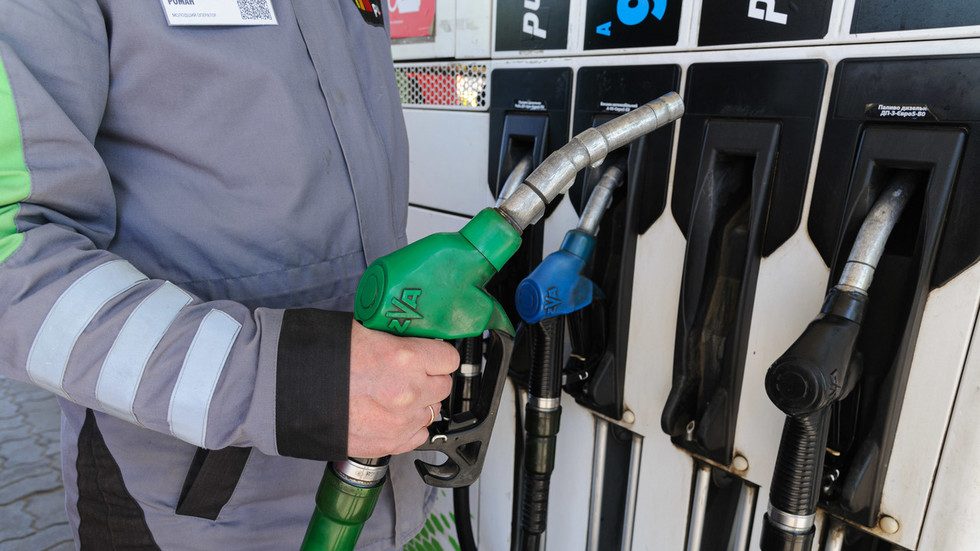
Ukraine’s Bold Move: Alcohol Enrichment in Gasoline Explained
In a groundbreaking effort to tackle fuel shortages and boost sustainability, Ukraine has announced plans to blend alcohol into its gasoline supply. The initiative, set to roll out in early 2025, will mix ethanol derived from agricultural crops with traditional gasoline, aiming to reduce reliance on fossil fuels and cut emissions. While proponents hail it as an innovative step toward energy independence, critics warn of potential economic and environmental trade-offs.
The Science Behind Alcohol-Enriched Gasoline
Ukraine’s plan involves blending ethanol—a type of alcohol produced from crops like corn and sugar beets—with gasoline at a ratio of 10% ethanol to 90% gasoline (E10). This mixture, commonly known as gasohol, has been tested in countries like Brazil and the U.S., where it has shown to reduce carbon monoxide emissions by up to 30% compared to pure gasoline.
Dr. Oleksandr Petrov, a Kyiv-based energy analyst, explains: “Ethanol burns cleaner than fossil fuels, which means fewer greenhouse gases. It’s also renewable, as it comes from plants that absorb CO2 during growth. For Ukraine, this could be a win-win for energy security and climate goals.”
However, ethanol has a lower energy density than gasoline, which could lead to a 2-3% drop in fuel efficiency. “Drivers might notice slightly fewer miles per tank, but the trade-off is cleaner air and support for local agriculture,” Petrov adds.
Economic Implications for Ukraine
Ukraine’s agricultural sector stands to benefit significantly from this policy. The country is Europe’s top producer of sugar beets and a major corn exporter, both key feedstocks for ethanol. By diverting surplus crops to fuel production, the government hopes to stabilize rural economies and create jobs in biofuel processing plants.
- Job Creation: Up to 15,000 new jobs expected in biofuel refining and logistics.
- Farm Income: Projected 12% rise in demand for corn and sugar beets by 2026.
- Fuel Costs: Ethanol blends could lower prices at the pump by 5-7% due to reduced import dependence.
Yet, skeptics like economist Maria Kovalenko caution: “While ethanol production stimulates agriculture, it could also drive up food prices if too much cropland shifts from food to fuel. Policymakers must strike a delicate balance.”
Environmental Benefits and Concerns
Advocates emphasize the environmental perks of ethanol-blended gasoline. According to a 2023 study by the International Energy Agency, widespread E10 use could cut Ukraine’s transport-sector emissions by 1.5 million tons annually—equivalent to taking 320,000 cars off the road.
However, environmental groups warn of unintended consequences. “Large-scale ethanol production requires significant water and fertilizer use, which can degrade soil and waterways,” says Olena Zerkal, a sustainability researcher at Lviv University. “Without strict regulations, we risk swapping one problem for another.”
Global Precedents and Lessons Learned
Brazil’s decades-long ethanol program offers insights. The country meets over 40% of its transport fuel needs with sugarcane ethanol, slashing emissions while bolstering energy independence. Yet, deforestation linked to sugarcane expansion remains a contentious issue.
In contrast, the U.S. ethanol mandate faced criticism for inflating corn prices and straining water resources. Ukraine’s success may hinge on adopting best practices from these models while avoiding their pitfalls.
What’s Next for Ukraine’s Energy Strategy?
The government plans pilot programs in five regions before nationwide implementation. Key next steps include:
- Upgrading refineries to handle ethanol blends.
- Subsidizing farmers to ensure stable crop supplies.
- Launching public awareness campaigns to address consumer concerns.
If successful, Ukraine could emerge as a leader in sustainable fuel innovation. As global energy markets shift, this bold experiment may inspire other nations to rethink their fuel mix.
Call to Action: Stay informed about Ukraine’s energy transition by subscribing to updates from the Ministry of Energy or following trusted environmental news outlets.
See more CCTV News Daily