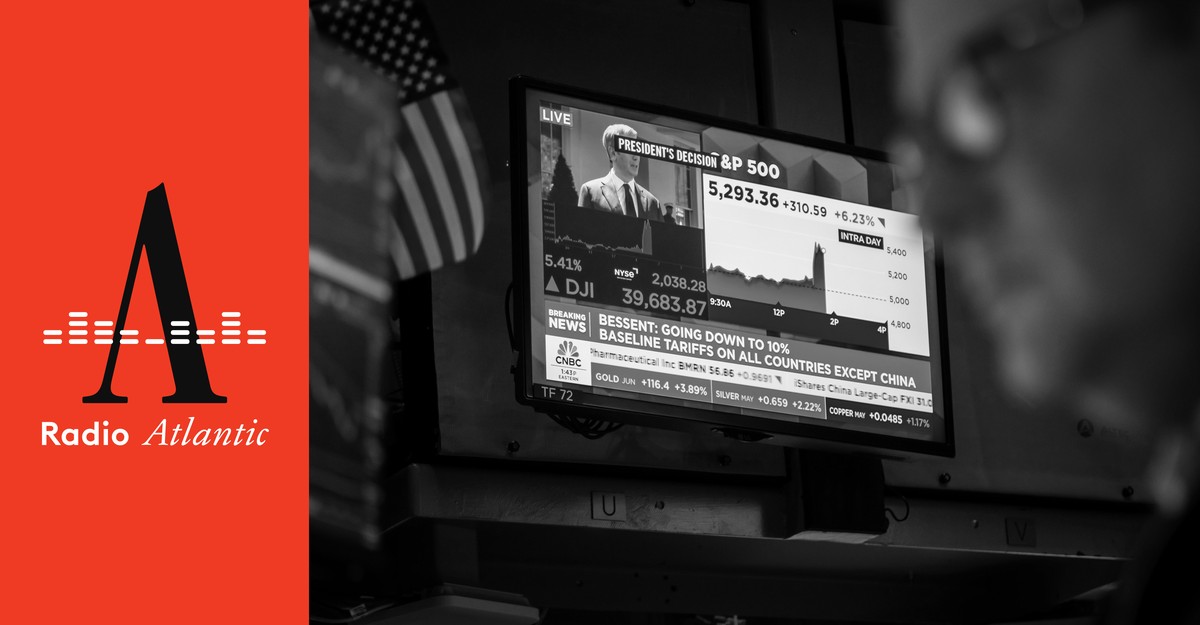
Unpacking the Myth: Did Trump Really Revoke Tariffs?
Contrary to popular belief, former President Donald Trump’s administration did not eliminate the core tariffs imposed during his tenure. Between 2018 and 2020, Trump levied billions in tariffs on Chinese goods, steel, and aluminum, sparking global trade tensions. While some adjustments occurred, the bulk of these policies remained intact, leaving a lasting impact on U.S. trade relations and domestic industries.
The Foundation of Trump’s Trade Policy
Trump’s trade agenda centered on protecting American industries through aggressive tariff measures. His administration imposed:
- 25% tariffs on $250 billion worth of Chinese imports, targeting technology and manufacturing sectors
- 10% tariffs on aluminum and 25% on steel imports from most countries
- Section 301 tariffs to counter alleged intellectual property theft
According to the Peterson Institute for International Economics, these tariffs covered nearly $380 billion in annual imports at their peak. “The Trump administration’s tariffs were among the most significant trade policy shifts in decades,” noted trade analyst Rebecca Wilkins. “They weren’t temporary negotiating tactics but structural changes to U.S. economic policy.”
Where the Misconception Originated
The belief that Trump revoked tariffs likely stems from three key events:
- The Phase One trade deal with China (January 2020), which reduced some tariffs but left most intact
- Limited exemptions for certain products like solar panels
- Rhetorical shifts during election campaigns
However, U.S. Census Bureau data shows tariff collections actually increased 73% from 2018 to 2019, reaching $71 billion. “People conflated tariff modifications with eliminations,” explains Georgetown University economist Mark Sullivan. “The administration tinkered at the edges but kept the framework firmly in place.”
The Economic Impact of Persistent Tariffs
While intended to boost domestic manufacturing, the tariffs produced mixed results:
| Sector | Impact |
|---|---|
| Steel Production | Increased 6% (2018-2020) |
| Consumer Prices | Rose $57 billion annually (Tax Foundation) |
| Agricultural Exports | Fell $27 billion due to retaliation |
The tariffs also reshaped global supply chains, with imports from Vietnam and Mexico increasing as companies sought alternative sources. Meanwhile, the U.S. trade deficit with China narrowed by $73 billion from 2018 to 2019 before rebounding during the pandemic.
Political and Diplomatic Repercussions
The tariffs strained relationships with traditional allies while failing to achieve some stated objectives. The European Union implemented $3.4 billion in retaliatory tariffs on American goods, targeting politically sensitive products like bourbon and motorcycles. Meanwhile, China’s promised $200 billion in additional purchases under the Phase One deal fell short by over 40%.
“The tariffs became a defining feature of Trump’s economic nationalism,” observes former U.S. trade representative Carla Hills. “They were less about revenue generation than forcing a reckoning about unfair trade practices.”
The Current Status and Future Outlook
Most Trump-era tariffs remain in effect today, with the Biden administration maintaining:
- Section 301 tariffs on China
- Steel and aluminum tariffs (with some EU exemptions)
- National security tariffs on various imports
Trade experts predict these measures will likely persist regardless of future administrations. “Tariffs are easier to impose than remove,” notes Wilkins. “The political costs of lifting them often outweigh the benefits, especially in key manufacturing states.”
As global trade tensions continue evolving, understanding the reality behind these policies becomes crucial for businesses and policymakers alike. For deeper analysis of current trade dynamics, subscribe to our trade policy newsletter for weekly updates.
See more CCTV News Daily