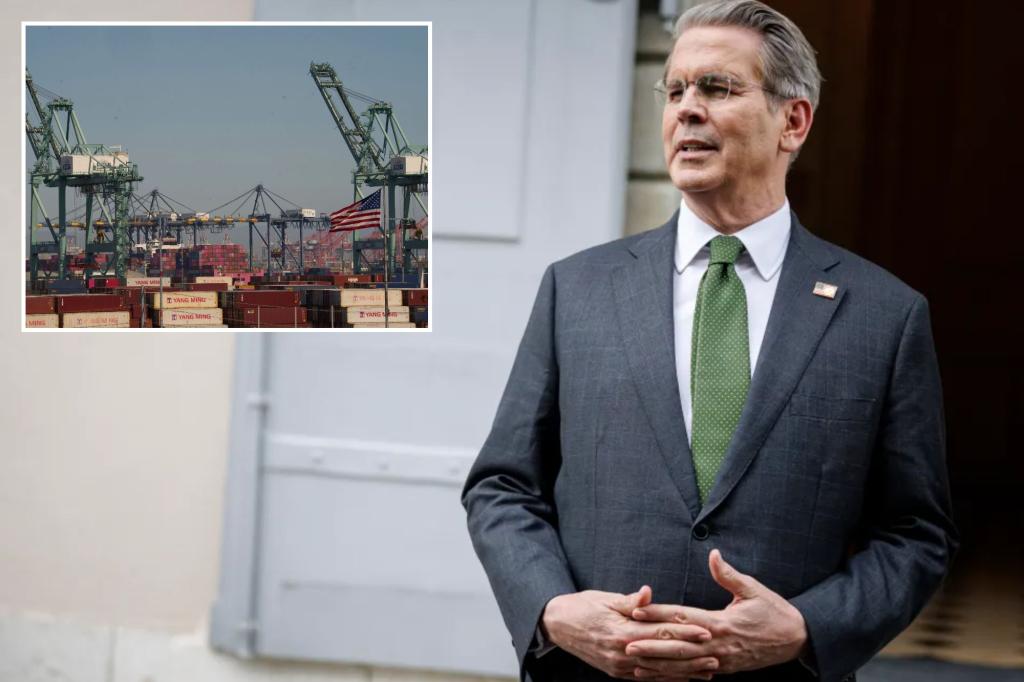
US-China Tariff Agreement: A New Era of Trade Relations Unveiled
In a historic move, the United States and China announced a sweeping reduction in bilateral tariffs on Friday, marking a potential turning point in their strained trade relationship. The agreement, finalized after months of negotiations in Washington, D.C., aims to ease economic tensions, lower costs for businesses, and stabilize global supply chains. Analysts suggest this deal could signal a broader détente between the world’s two largest economies.
The Breakthrough Deal: Key Components
The agreement outlines a phased 50% reduction in tariffs on over $360 billion worth of goods, including electronics, agricultural products, and industrial machinery. Notably, China will increase purchases of U.S. soybeans and energy exports by 40% over the next two years, while the U.S. will lift restrictions on Chinese solar panel imports. Both nations also agreed to establish a bilateral committee to address future trade disputes.
“This isn’t just about tariffs—it’s a recalibration of trust,” said Dr. Linda Chen, a trade policy expert at the Brookings Institution. “By creating a framework for dialogue, they’re preventing the kind of escalations we saw in 2018–2019, which cost the global economy an estimated $500 billion.”
Economic Implications for Businesses and Consumers
The tariff rollback is expected to deliver immediate relief:
- Consumer goods: Prices on Chinese-made electronics, apparel, and furniture could drop by 8–12%, per J.P. Morgan estimates.
- Manufacturers: U.S. automakers and tech firms may save $15 billion annually in supply chain costs.
- Agriculture: U.S. farmers, who lost $27 billion in exports during the trade war, could regain market share in China.
However, skeptics warn that structural issues—like China’s state subsidies and intellectual property concerns—remain unresolved. “Tariffs were a symptom, not the disease,” noted Robert Karr, CEO of the Asia Trade Coalition. “Without deeper reforms, tensions could resurface.”
Global Reactions and Market Responses
Asian markets rallied on the news, with Hong Kong’s Hang Seng Index jumping 3.2% and the S&P 500 hitting a record high. European leaders welcomed the deal as a stabilizing force for the WTO system, while emerging economies like Vietnam and Mexico—beneficiaries of trade diversion—face renewed competition.
Data from the IMF reveals the timing is critical: Global trade growth slowed to 1.7% in 2023, down from 5.4% pre-pandemic. “This agreement could add 0.5% to worldwide GDP by 2025,” projected IMF Director Kristalina Georgieva.
Challenges and Unresolved Issues
Despite the optimism, hurdles persist:
- U.S. lawmakers demand stricter enforcement mechanisms to prevent Chinese non-compliance.
- China’s tech ambitions, including semiconductor self-sufficiency, clash with U.S. export controls.
- Geopolitical flashpoints like Taiwan could derail economic cooperation.
Meanwhile, the deal’s environmental impact is under scrutiny. While reduced tariffs on green tech may accelerate renewable energy adoption, increased fossil fuel exports to China could offset carbon gains.
What’s Next for US-China Trade Relations?
The agreement sets the stage for renewed collaboration on climate, AI governance, and supply chain resilience. Observers suggest upcoming high-level summits, including the APEC meeting in November, will test the durability of this truce.
For businesses, adaptability is key. “Companies should diversify supply chains but also seize opportunities in reopened markets,” advised Mei Lin, a strategist at McKinsey & Company.
Call to Action: Stay informed with our weekly trade policy newsletter for expert analysis on evolving US-China dynamics.
See more CCTV News Daily